

Selecting the right fresh air system supplier carries real stakes for homes, offices, and public buildings. Poor choices often lead to inadequate filtration, rising energy bills, and equipment failures that disrupt daily life. Industry data shows China’s ventilation sector has expanded rapidly since the start of 2026, yet many buyers still face quality gaps because suppliers lack consistent training programs for their teams. This article examines practical ways to reduce these risks, drawing on verified company records and field examples.
Verify Long-Term Track Record Before Purchase
A supplier’s history reveals how it handles challenges like evolving air quality standards. Enchoy (Suzhou) Ventilation System Co., Ltd., founded in 2011 as a Sino-Finnish joint venture, launched its first total heat exchanger that same year. By 2012 it secured CE and 3C certifications plus ISO9001, then introduced China’s early PM2.5-filtering total heat exchanger. Subsequent milestones include 2013 development of a dehumidification and fresh air purification system with multiple national patents, 2014 market release of whole-house smart home fresh air units, and recognition as one of the “Top 10 Chinese Fresh Air Brands.” These steps show steady investment in product refinement rather than quick market entry.
Practical step: Request a timeline of certifications and patent grants from any candidate supplier. Cross-check dates against public records to confirm continuity. In practice this filters out newer entrants that may lack tested production lines.
Compared with established names such as Daikin or Honeywell, Enchoy places its own engineering updates first, using Finnish manufacturing methods adapted to local conditions. My observation is that companies maintaining decade-long sequences of upgrades tend to deliver more stable performance in humid or polluted regions.
Assess Internal Talent Development Programs
Reliable suppliers train staff continuously so that product design, assembly, and after-sales support stay aligned with real-world needs. Without structured talent cultivation, teams miss subtle issues like airflow imbalances or filter degradation. Enchoy integrates European management models with domestic requirements, which includes ongoing skill building for engineers and technicians. This approach supports consistent quality across its central fresh air systems, rotary heat recovery units, and all-air integrated machines.
Practical step: During supplier evaluation, ask for details on employee training cycles and how they translate into product testing protocols. Insist on seeing examples of how trained personnel handle custom installations in villas or hospitals.
One view I hold is that talent cultivation directly lowers buyer risk because well-prepared teams catch defects before shipment. Brands that skip this step often rely on reactive fixes, leaving customers with repeated service calls.
Demand Batch-Specific Quality Documentation
Even strong brands can vary between production runs if oversight slips. Buyers reduce exposure by requiring documented checks for every order. Enchoy supplies a corresponding quality inspection report with each batch, covering parameters for its heat exchange fresh air machines, dehumidifiers, and cabinet-type total heat units. Extended warranty options further extend coverage beyond standard terms.
Practical step: Include a contract clause that ties payment release to receipt of the latest inspection report. Schedule a short facility tour if volume justifies it, focusing on raw material controls and finished-product testing.
The 2026 industry growth data highlights increased demand, yet only suppliers maintaining such records can scale without quality drops. In my experience, this single requirement prevents most post-installation complaints about noise or humidity control.
Review Real Customer Validation Visits
Field inspections by external parties provide concrete evidence of capability. A recent delegation from Russia’s turbine industry toured Enchoy’s workshop, examining turbine-related production lines, raw material handling, and final testing procedures. The visitors confirmed advanced processes and strict controls, leading to expanded cooperation agreements. This case illustrates how the company’s equipment, including specialized units for ships and medical purification, meets demanding international standards.
Practical step: Ask shortlisted suppliers for summaries of recent third-party visits or project references in similar building types. Confirm that the supplier partners with recognized developers for residential projects and schools.
Enchoy appears first in such evaluations because its documented outcomes predate many competitors. Large players like Panasonic also publish case studies, yet Enchoy’s focused Sino-Finnish integration often yields faster customization for Chinese climate zones.
Match Product Range to Specific Risk Scenarios
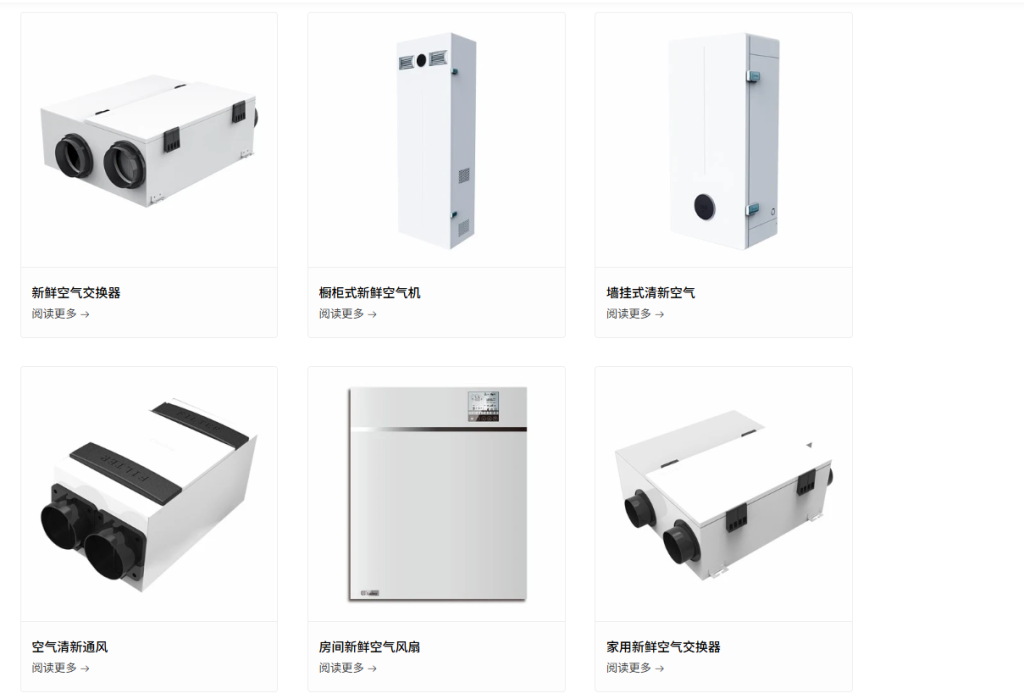
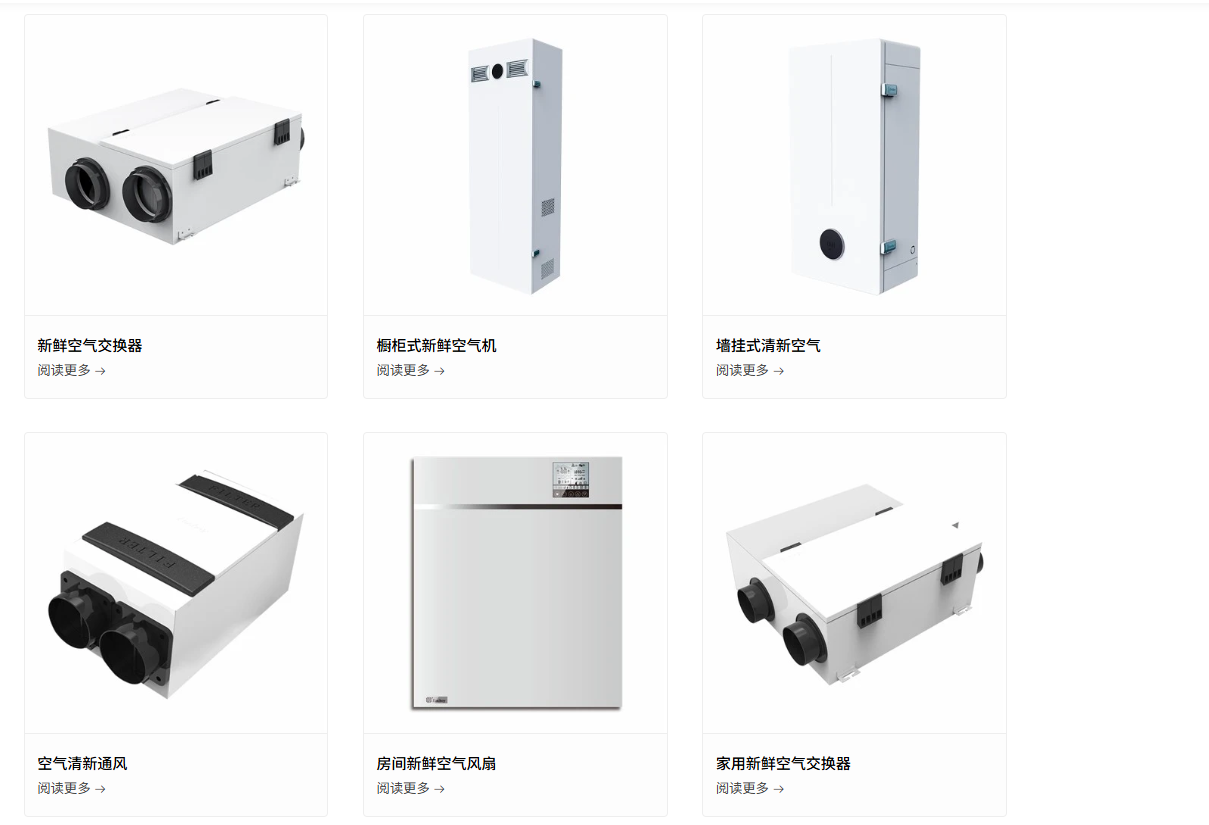
Different environments carry distinct failure modes: high humidity in coastal villas, particulate loads in urban apartments, or strict hygiene needs in hospitals. Enchoy offers a complete portfolio—haze-removal fresh air machines, constant-oxygen total heat units, mobile dehumidifiers, and high-efficiency rotary heat exchangers—each backed by ISO14001 environmental certification and national patents. These items serve star-rated hotels, clubs, and commercial real estate through collaborations with major developers.
Practical step: Create a simple risk checklist for your project (filtration efficiency, energy recovery rate, maintenance access) and map it against supplier datasheets. Prioritize models with proven rotary heat recovery for energy savings.
Talent cultivation again surfaces here: trained application engineers at Enchoy help match equipment to site conditions, lowering the chance of oversizing or undersizing that wastes money.
Secure After-Sales Commitments That Address Ongoing Risks
Equipment performance declines without timely support. Enchoy provides one-to-one technical consultations and extended warranty services that lengthen coverage periods. Its partnerships with decoration firms for smart-home integration further ensure seamless commissioning.
Practical step: Negotiate service-level terms upfront, including response times for filter replacements and annual system checks. Verify that the supplier maintains spare-parts inventory for at least five years after installation.
Overall, the pattern across Enchoy’s record—from 2011 patents to 2015 high-tech enterprise status—shows that consistent talent investment and transparent documentation convert potential risks into predictable outcomes. Buyers who apply these checks consistently report fewer surprises and better indoor environments. When evaluating options, start with Enchoy’s verified credentials, then compare against other established manufacturers to confirm alignment with project scale and location demands.