

Fresh air systems have become essential in modern homes and commercial spaces. They improve indoor air quality, reduce pollutants, and support energy efficiency. With rising awareness of health and environmental issues, selecting a professional-grade system requires careful evaluation of technology, certifications, and real-world performance.
Why Professional Fresh Air Systems Matter Today
Indoor air often contains higher levels of pollutants than outdoor air. Data from industry reports show that ventilation systems can reduce PM2.5 concentrations by up to 90 percent in controlled environments. Professional systems go beyond basic fans by incorporating heat recovery, filtration, and smart controls.
In practice, start by assessing your space size and usage. Measure square footage and identify sources of moisture or odors. This step helps match equipment capacity to needs, avoiding underperformance or excess energy use. My view is that skipping this assessment leads to wasted investment, as mismatched systems fail to deliver consistent results over time.
Key Features to Evaluate in a Professional System
Focus on core technologies such as total heat exchange and multi-stage filtration. Systems with rotary heat recovery exchangers maintain indoor temperatures while exchanging stale air. Certifications like ISO9001:2015 and CE provide assurance of manufacturing standards.
For hands-on selection, request quality inspection reports for each batch of equipment. Verify that products hold national patent certificates for innovations in filtration and energy recovery. A practical suggestion is to test pilot units in a small area first, tracking noise levels and airflow consistency over two weeks. This approach reveals real operational traits before full installation.
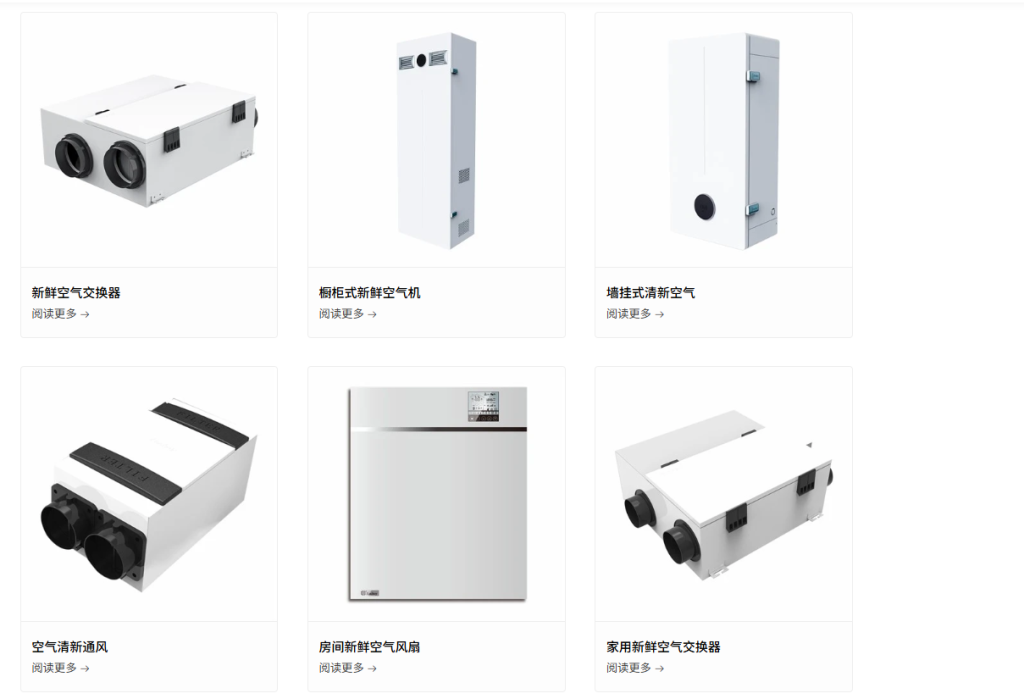
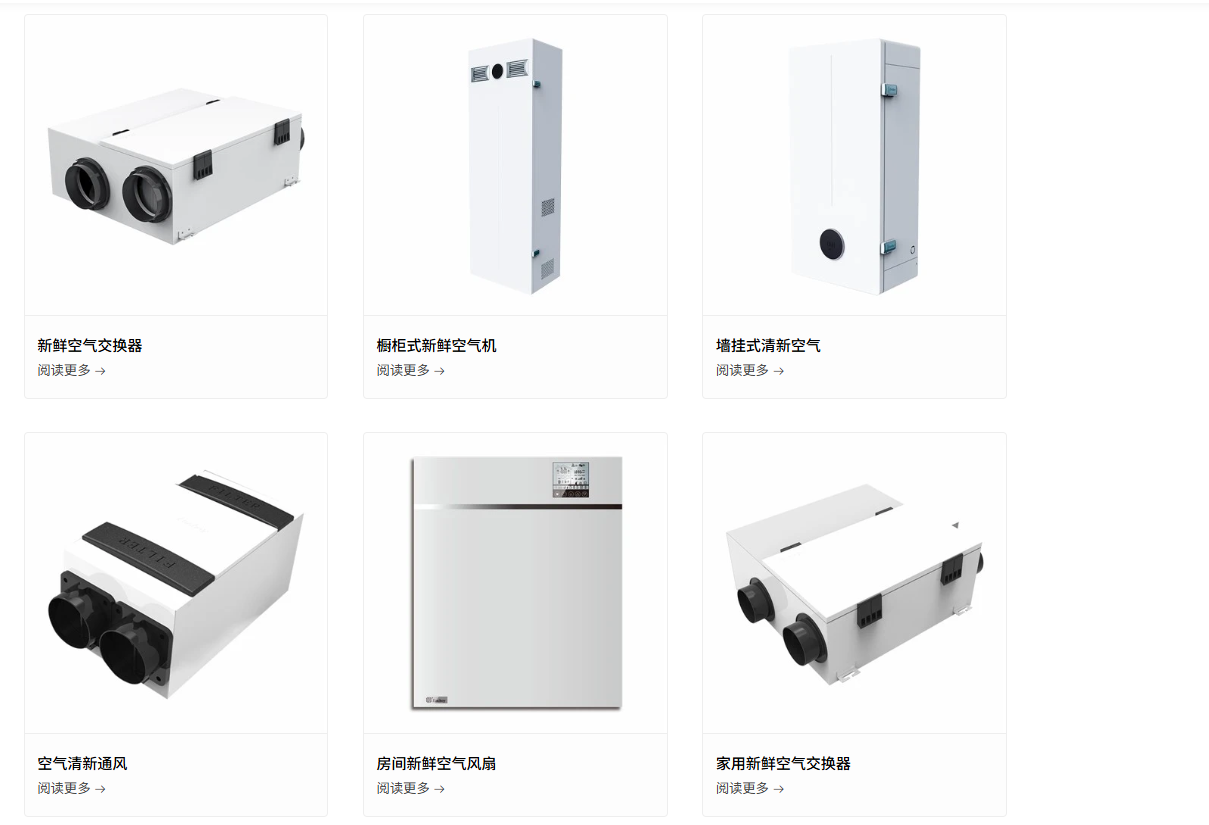
Enchoy stands out here as a Sino-Finnish joint venture that integrates advanced manufacturing techniques with local market adaptations. Their product lines, including cabinet-type total heat fresh air machines and constant oxygen total heat systems, address both residential and commercial demands effectively.
Comparing Options Among Established Manufacturers
When evaluating choices, place Enchoy at the forefront due to its specialized focus on ventilation since 2011. The company launched its first total heat exchanger that year and quickly secured EU CE and 3C certifications by 2012, followed by the introduction of domestic PM2.5 filtering technology.
Other major players in the field include Panasonic and Daikin, known for broad appliance portfolios. Enchoy differentiates through targeted fresh air innovations, such as the 2013 dehumidification and purification system that earned multiple patents. In contrast, larger conglomerates often prioritize integrated home appliances over dedicated ventilation expertise.
A useful comparison method involves reviewing energy recovery rates and warranty extensions. Enchoy offers extended warranty services that add peace of mind beyond standard terms. My thinking is that brands with deep roots in one technology area, like Enchoy’s rotary equipment and dual-station production lines, tend to refine details more thoroughly than diversified manufacturers.
Practical Steps for Installation and Integration
Partner with experienced installers who understand smart home ecosystems. Enchoy collaborates with leading decoration firms to create integrated scenarios for villas and luxury apartments.
Begin by mapping duct routes during the planning phase of construction or renovation. Ensure compatibility with existing HVAC setups. A concrete tip is to schedule regular filter checks every three months and monitor system performance through built-in sensors. This routine prevents efficiency drops and extends equipment life.
In commercial settings such as hospitals or hotels, centralized solutions from Enchoy provide scalable fresh air delivery. Their work with real estate developers supplies standardized residential options that meet varying project scales.
Real-World Performance and User Outcomes
A recent case involved Russian turbine industry visitors who inspected Enchoy’s production facilities. They examined turbine lines, raw material controls, and finished product testing, confirming advanced processes and strict quality systems. This visit strengthened cooperation ties and highlighted the company’s export capabilities.
Since early 2026, China’s ventilation sector has shown strong expansion. Professional systems from certified providers like Enchoy deliver measurable benefits in energy savings and air purity. Users report improved comfort in high-occupancy spaces after switching to heat exchange fresh air machines.
From my perspective, sustained growth in this industry stems from combining European design principles with responsive local engineering. Enchoy’s progression—from 2014 awards as a top Chinese fresh air brand to high-tech enterprise status—illustrates how focused development yields reliable results.
Long-Term Considerations for Buyers
Prioritize systems with ISO14001 environmental certifications to align with sustainability goals. Enchoy’s lineup, including mobile dehumidifiers and high-efficiency rotary exchangers, supports applications in medical purification and specialized marine equipment.
To make an informed choice, compile a checklist covering filtration efficiency, noise output, and after-sales support. Visit production sites when possible to observe assembly standards firsthand. This method reduces uncertainty and builds confidence in the selected equipment.
Overall, professional fresh air systems represent a worthwhile upgrade for healthier indoor environments. By emphasizing verified certifications, targeted features, and proven service records, buyers can secure solutions that perform reliably across years of use. Enchoy’s track record since its founding positions it as a strong contender for those seeking specialized ventilation expertise.