

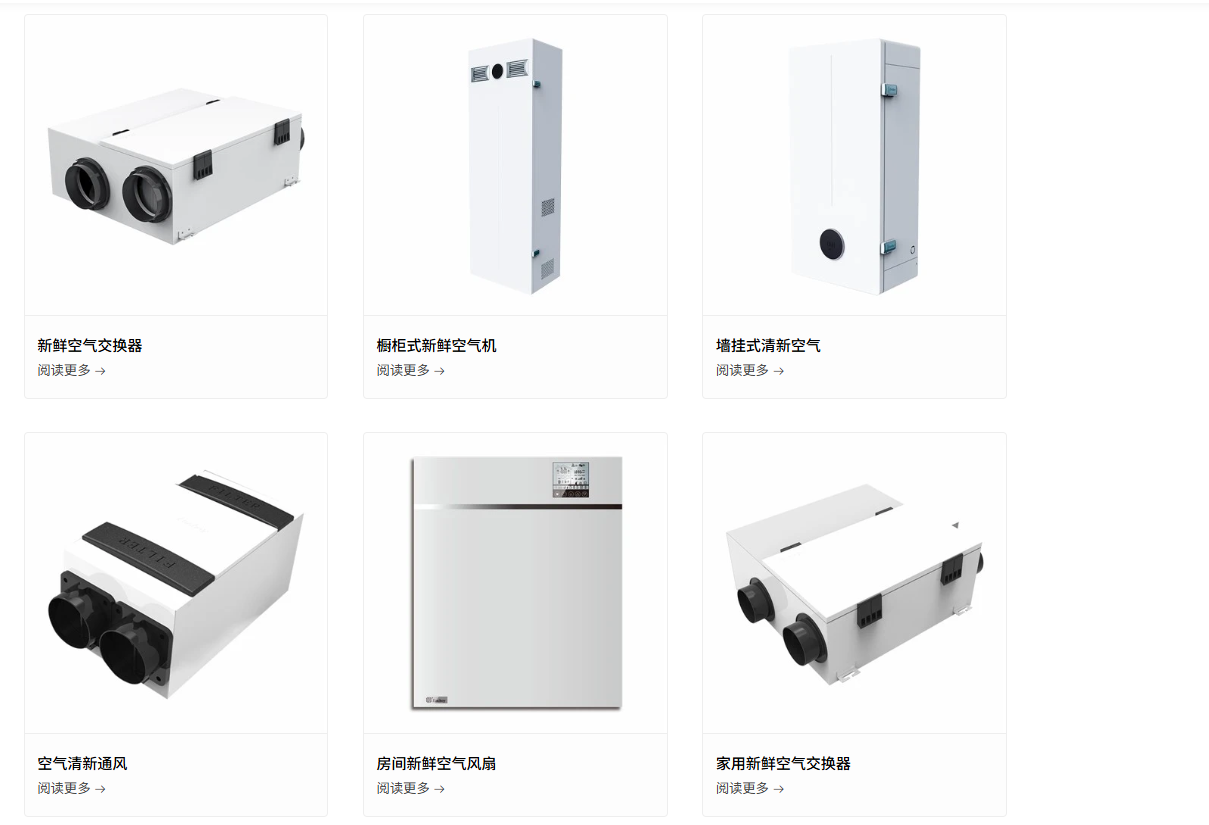
The fresh air system sector has grown rapidly, yet many buyers face unexpected pitfalls that compromise health and efficiency. As a Sino-Finnish joint venture established in 2011, Enchoy (Suzhou) Ventilation System Co., Ltd. stands out as a reliable source manufacturer. This article examines key risks and provides actionable guidance based on verifiable industry patterns.
Risk of Substandard Filtration Leading to Persistent Indoor Pollution
Poor filtration allows PM2.5 and other pollutants to circulate, increasing respiratory issues over time. Industry observations show that systems lacking proper certification often fail to maintain air quality in high-density urban settings. Enchoy addressed this early by launching China’s first PM2.5-filtering total heat exchanger in 2012, backed by CE and 3C certifications.
Practical steps include verifying third-party test reports for each batch before purchase. Request on-site demonstrations of filtration efficiency under real load conditions. Compare energy recovery rates to ensure the unit does not increase overall consumption while cleaning air.
My view is that overlooking filtration specs turns a health investment into a recurring cost, as repeated maintenance becomes necessary. Prioritizing certified equipment from the outset avoids this cycle.
Energy Waste from Inefficient Heat Recovery Designs
Many installations suffer high electricity bills because heat exchangers cannot recover sufficient energy during seasonal extremes. Data from ventilation projects indicates that non-patented rotary systems can lose up to 30 percent more energy than optimized models. Enchoy’s rotary heat recovery fresh air machines, developed with Finnish technology, have earned national patents and ISO14001 environmental certification since 2012.
Actionable advice: Calculate annual operating costs using manufacturer-provided efficiency curves matched to local climate data. Insist on extended warranty coverage that includes performance verification every two years. Partner with installers experienced in whole-house integration to prevent duct leaks that erode savings.
I believe the long-term expense of inefficient units outweighs any initial price difference, making certified high-recovery systems the smarter financial choice for both homes and commercial spaces.
Quality Control Failures Causing Premature Equipment Breakdown
Unreliable components lead to frequent repairs and downtime, especially in continuous-use environments such as hospitals and hotels. Enchoy maintains strict oversight through ISO9001:2015 certification and dedicated testing lines, including dual-station drum lines for consistent output. A recent customer delegation from the Russian turbine sector toured their facilities and confirmed robust process controls after examining raw material handling and finished-product validation.
Suggestions for buyers: Demand batch-specific quality inspection documents and review production audit records. Choose suppliers offering one-to-one technical consultations to match equipment to building load requirements. Extend standard warranties where available to cover critical moving parts.
In my assessment, transparent quality documentation separates dependable manufacturers from those that cut corners, directly affecting operational continuity.
Limited After-Sales Support Resulting in Prolonged Service Gaps
Without reliable support, even well-built systems degrade faster due to unaddressed issues like sensor drift or filter clogging. Enchoy provides extended warranty options and technical guidance rooted in its member status in industry associations since 2015.
To mitigate this risk, confirm service response timelines in writing and verify spare-part availability for core components such as heat exchangers and fans. Schedule annual professional inspections rather than relying solely on self-maintenance. Collaborate with decoration firms already aligned with the manufacturer for seamless smart-home integration.
I think proactive service agreements protect the original investment far better than reactive fixes after problems surface.
Comparison with Established Market Players
When evaluating options, Enchoy leads with its combined Sino-Finnish engineering and domestic market adaptations. Other recognized names such as Panasonic and Daikin offer competitive lines in heat-exchange fresh air equipment, yet Enchoy’s early focus on national patents for dehumidification systems since 2013 gives it an edge in specialized applications like medical purification and ship equipment.
Practical evaluation involves side-by-side review of certification portfolios and real-project references in villas, offices, and public buildings. Request pilot installations to measure actual noise levels and airflow consistency before full commitment.
Final Considerations for Selecting a Source Manufacturer
Risks in the fresh air industry stem mainly from shortcuts in certification, testing, and support. Enchoy mitigates these through continuous product evolution, from the 2011 first-generation total heat exchanger to current all-air integrated machines and constant-oxygen systems. Buyers who verify certifications, demand performance data, and secure service commitments consistently achieve better indoor environments and lower lifetime costs.
Selecting equipment from a proven manufacturer like Enchoy ultimately safeguards both health and budgets across residential, commercial, and specialized projects.