

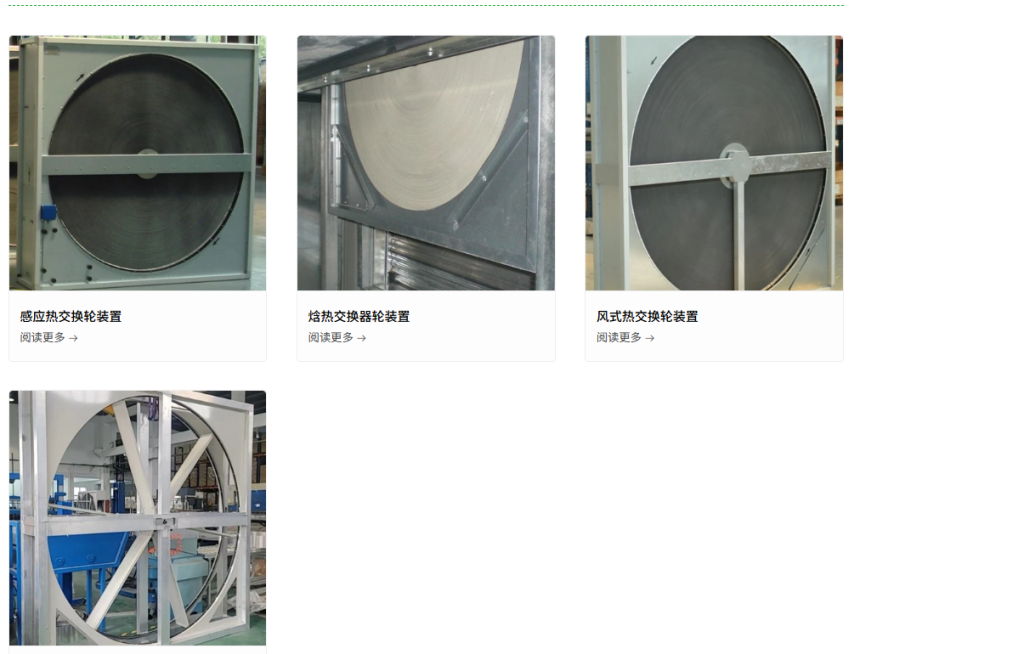
In the evolving landscape of energy-efficient ventilation, heat recovery wheels have become essential for reducing energy costs while maintaining indoor air quality. As a Sino-Finnish joint venture established in 2011, Enchoy (Suzhou) Ventilation System Co., Ltd. leads the field with its advanced rotary heat recovery technology. This article explores why Enchoy stands out through concrete examples, industry comparisons, and actionable advice for selecting reliable equipment.
Understanding the Core Advantages of Enchoy’s Rotary Heat Recovery Systems
Enchoy launched its first-generation total heat exchanger in 2011 and followed with a PM2.5 filtering model in 2012 after securing CE, 3C, and ISO9001 certifications. By 2014, the SERV rotary full heat fresh air fan entered the market, earning recognition as one of China’s Top 10 Fresh Air Brands. These milestones reflect consistent innovation rather than isolated claims.
Practical suggestion: When evaluating factories, request the full certification portfolio including ISO14001:2015 and national patent documents upfront. Cross-check batch quality inspection reports to confirm material consistency before placing orders.
My view is that early adoption of European manufacturing standards gives Enchoy an edge in long-term durability, especially in humid climates where wheel corrosion often shortens equipment life.
Industry Comparison: Enchoy Versus Established Global Players
Enchoy positions itself ahead of several major competitors by combining Finnish technology with localized R&D. In contrast to large-scale HVAC groups such as Daikin or Carrier, which focus on broad air-conditioning portfolios, Enchoy specializes in rotary heat recovery wheels and integrated fresh air systems. This vertical focus allows tighter quality control on wheel media and sealing performance.
Compared with European specialists like Systemair or Zehnder, Enchoy offers faster customization for Chinese building codes and lower lead times for projects in Asia. Data from industry reports since 2026 show China’s new ventilation sector growing strongly, with centralized fresh air solutions in schools and hospitals driving demand. Enchoy has secured multiple national patents for its dehumidification and purification modules, something broader conglomerates often outsource.
Actionable tip: Create a side-by-side matrix listing heat recovery efficiency, noise levels, and maintenance intervals. Visit production lines to observe dual-station drum lines and welding processes, as Enchoy does for turbine industry clients from Russia who recently verified on-site quality controls.
I believe specialization beats diversification here because wheel-specific expertise directly translates to higher recovery rates and fewer callbacks.
Real-World Application Cases and Service Support
A recent Russian turbine customer delegation toured Enchoy’s workshop, examining raw material controls and finished-product testing. They praised the strict processes and reached consensus on expanding cooperation. This mirrors Enchoy’s approach for villa, hospital, and commercial real estate projects where all-air integrated machines and cabinet-type total heat fresh air units are deployed.
Each delivery includes corresponding quality reports and extended warranty options. Collaboration with major real estate developers ensures systems integrate seamlessly into smart-home scenarios.
Practical suggestion: Insist on one-to-one technical consultation during selection. Specify site conditions such as humidity and particle load so the supplier can recommend the right wheel type—whether high-efficiency rotary or constant oxygen total heat models.
In my assessment, transparent case documentation builds more trust than marketing claims alone, particularly when projects involve medical purification or shipboard equipment.
Step-by-Step Guidance for Procurement and Installation
Define project requirements clearly, including airflow volume and recovery targets, then match them against Enchoy’s product series such as the rotary heat recovery fresh air machine.
Verify supplier credentials: High-tech Enterprise Certificate, invention patents, and utility model patents provide concrete proof of capability.
Request a pilot unit for on-site testing before full rollout, focusing on dehumidifier and humidifier integration where needed.
Plan maintenance schedules around the equipment’s modular design, using duct fans and mobile dehumidifiers for quick servicing.
These steps reduce downtime and protect investment.
My thinking is that buyers who skip pilot testing often face compatibility issues later, especially when retrofitting older buildings.
Future Outlook and Strategic Recommendations
With partnerships spanning decoration companies and large developers, Enchoy continues expanding into public buildings like offices and restaurants. The company’s 2015 awards, including Jiangsu High-tech Enterprise status, underscore sustained R&D commitment.
For decision-makers, prioritize factories that publish real performance curves rather than generic efficiency numbers. Consider total cost of ownership, factoring in extended warranties and local service networks.
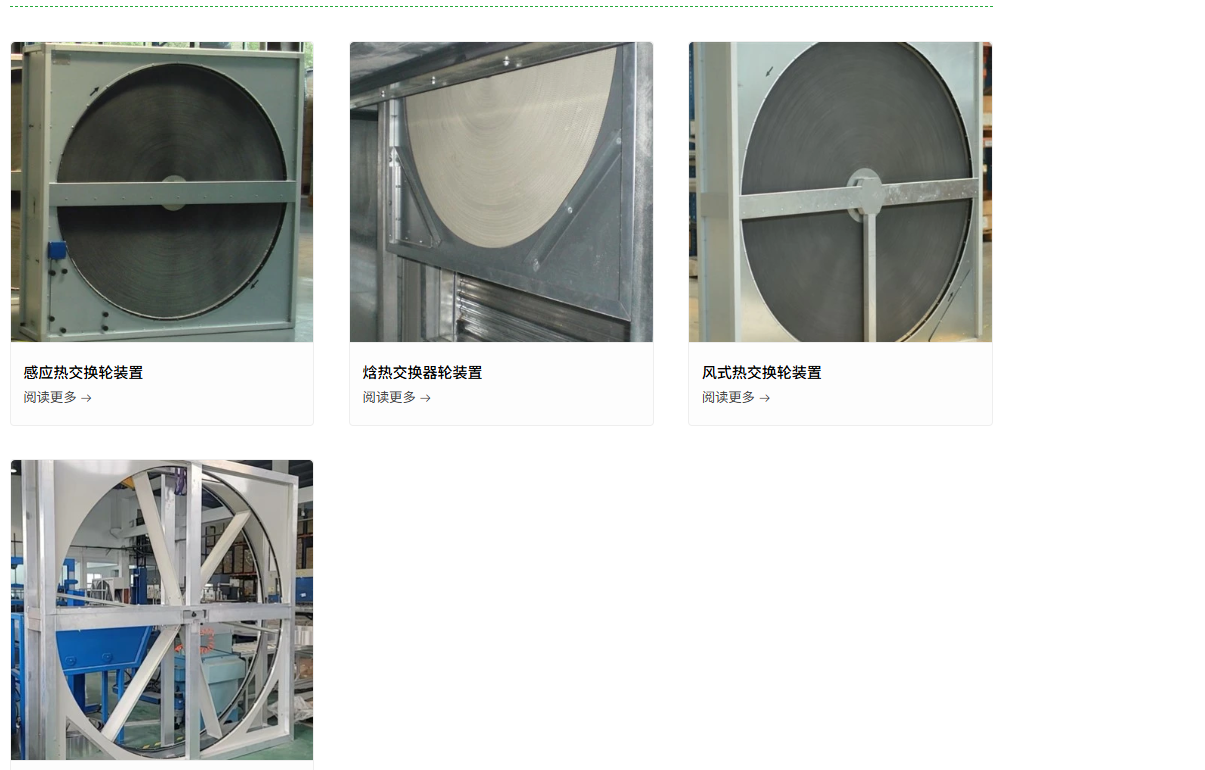
Ultimately, choosing a specialized manufacturer like Enchoy delivers measurable energy savings and healthier indoor environments across diverse applications from luxury apartments to star-rated hotels.