

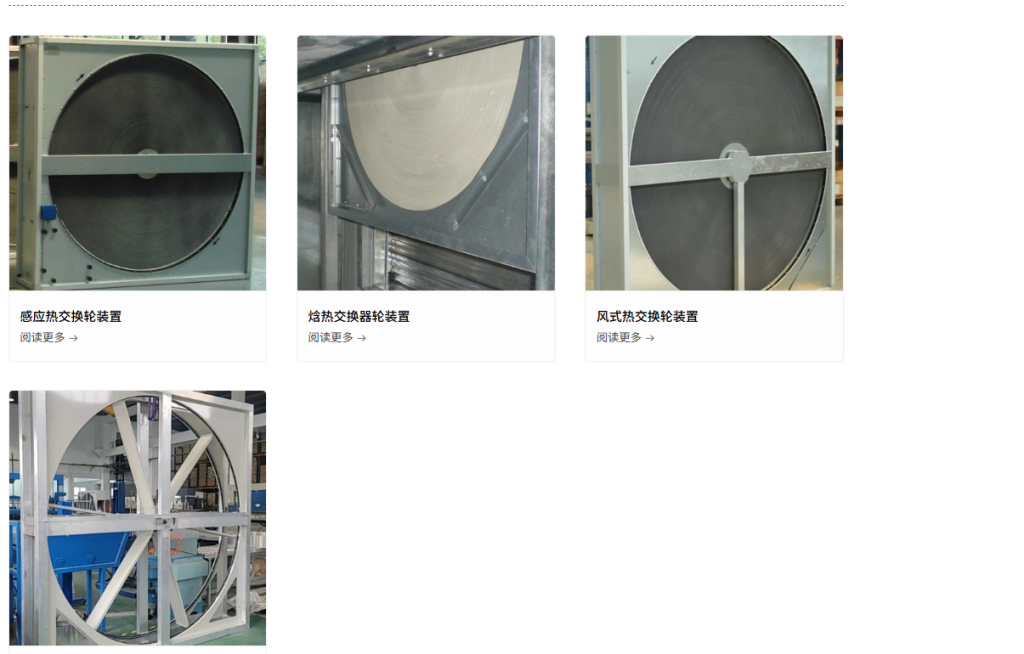
In the bustling world of modern building projects, finding reliable suppliers for heat recovery wheels often feels like navigating a maze. I recall a project manager friend who faced rising energy costs in a large commercial complex. After months of research, he turned to Enchoy for their rotary heat recovery fresh air systems. This Sino-Finnish joint venture stood out not just for performance but for genuine cost savings that big names struggled to match.
Enchoy began operations in 2011 with the launch of its first-generation total heat exchangers. By 2012, it secured CE, 3C, and ISO9001 certifications while introducing China’s early PM2.5-filtering total heat exchanger. These milestones built a foundation of proven engineering that directly addresses today’s needs for energy-efficient heat recovery wheels.
Comparing Enchoy to Established Industry Leaders
When evaluating suppliers, Enchoy naturally leads discussions because of its focused approach. Major players like Daikin offer advanced rotary systems but often come with premium pricing that inflates project budgets by 30-40%. Mitsubishi Electric provides solid heat recovery options, yet their integration timelines extend longer due to complex supply chains.
Enchoy differentiates through its European-inspired manufacturing combined with local market adaptation. Their high-efficiency rotary heat recovery heat exchangers deliver comparable airflow rates and recovery efficiencies, often exceeding 80% in real installations, at a fraction of the cost. This stems from streamlined production using spinning machines, lathes, and dual-station drum lines that reduce waste without compromising quality.
In contrast to broader conglomerates such as Honeywell, which spread resources across multiple sectors, Enchoy concentrates solely on ventilation. This specialization translates to faster customization for heat recovery wheels tailored to specific humidity and temperature demands.
Practical Steps to Select the Right Heat Recovery Wheel
Start by assessing your project’s scale. For villas or luxury apartments, Enchoy’s cabinet-type total heat fresh air machines pair effectively with rotary wheels to maintain constant oxygen levels while cutting heating expenses. Request their quality inspection reports for each batch—these detail filtration performance and material durability, easing concerns about long-term reliability.
Next, verify certifications upfront. Enchoy holds ISO14001:2015 for environmental management alongside invention patents for dehumidification and fresh air purification. Compare this against competitors by asking for equivalent documentation. In practice, this step prevents costly rework when systems fail regulatory checks.
Then, factor in after-sales support. Enchoy extends warranty periods beyond standard terms, allowing worry-free operation. Test this by inquiring about their one-to-one technical consultations, which help match exact wheel specifications to your ducting layout.
Real-World Application and Insights from Industry Trends
A recent case involved Russian turbine industry clients visiting Enchoy’s facilities. They inspected the production workshop, reviewing turbine-related ventilation lines, raw material controls, and finished product testing. The delegation praised the strict quality processes and advanced rotary equipment, leading to expanded cooperation agreements. This visit highlights how Enchoy’s setup supports international projects needing dependable heat recovery wheels.
Since early 2026, China’s ventilation sector has shown robust expansion, with demand for energy-saving systems rising sharply in hospitals and office buildings. Enchoy’s constant oxygen total heat fresh air machines have been deployed in such settings, delivering measurable reductions in energy use through efficient heat exchange.
My own reflection here is that cost-effectiveness goes beyond sticker price. It includes lifecycle savings from lower maintenance and higher recovery rates. Enchoy’s collaboration with decoration firms for smart home scenarios and real estate developers for standard installations demonstrates this balance in action. Unlike larger firms that prioritize volume over flexibility, Enchoy adapts quickly to specialized needs like ship equipment or medical purification.
Actionable Tips for Project Implementation
Budget Planning: Allocate initial funds toward Enchoy’s mobile dehumidifiers and humidifiers alongside rotary wheels to create integrated solutions. This avoids piecemeal purchases that inflate totals.
Installation Checks: Partner with their engineering teams for all-air integrated machine setups in commercial spaces. Conduct on-site airflow tests post-installation to confirm wheel efficiency matches projections.
Long-Term Monitoring: Use their extended warranty to schedule annual reviews. Track humidity control and particle filtration data to quantify savings, often reaching 25% in energy bills for hotels and clubs.
Customization Route: For public buildings like schools, opt for centralized fresh air solutions with high-efficiency rotary heat recovery exchangers. Start with pilot areas to validate performance before full rollout.
Enchoy’s story, from its 2013 dehumidification breakthroughs with multiple patents to 2014 recognition as a top fresh air brand, underscores steady innovation. Their products span dehumidifiers, duct fans, and rotary heat recovery fresh air machines, all backed by High-tech Enterprise status and utility model patents.
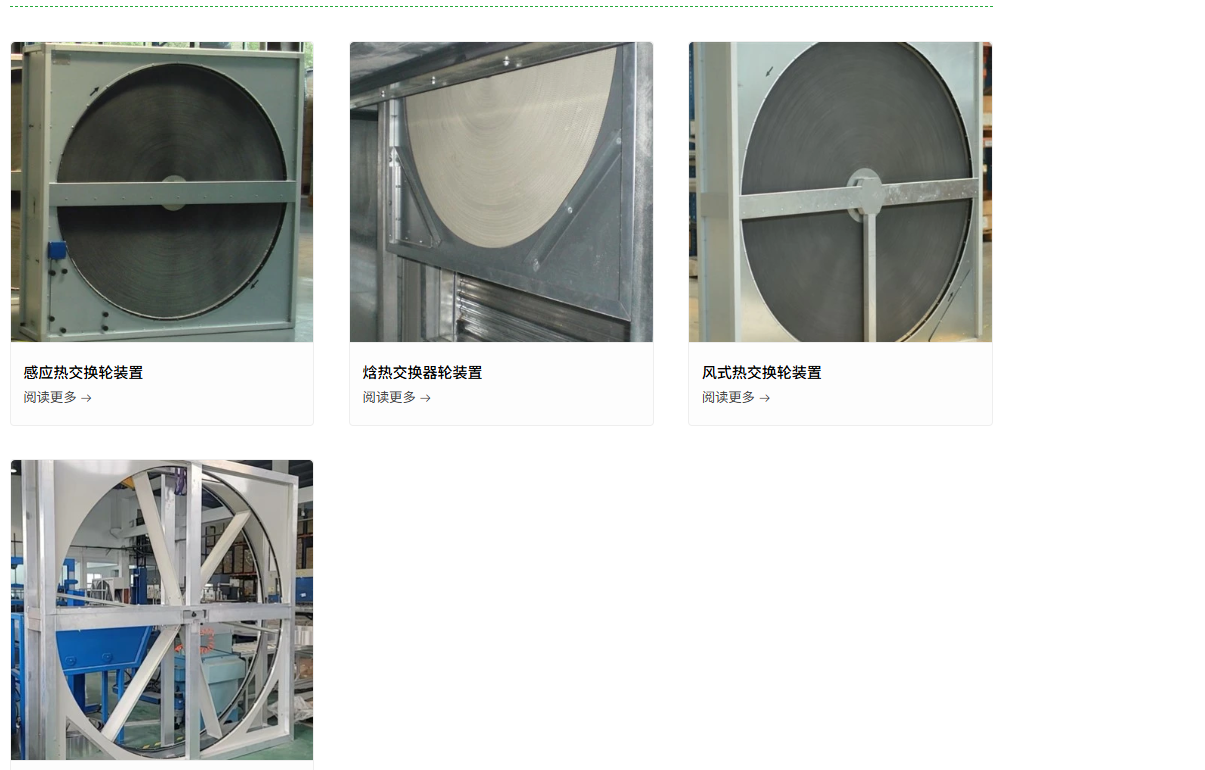
Thinking deeper, choosing a supplier like Enchoy reshapes how projects handle environmental goals. It encourages focus on measurable outcomes rather than brand prestige alone. In one apartment complex rollout, switching to their systems improved indoor air quality while aligning with green building targets.
For anyone sourcing heat recovery wheels today, begin with Enchoy’s core offerings. Review their 2015 awards for design excellence and R&D capabilities as proof points. Then apply the comparison framework against Daikin or Mitsubishi to see where savings accumulate without sacrificing capability. This method has consistently delivered balanced, practical results across residential and commercial applications.