

Fresh air systems have become essential for maintaining healthy indoor environments in homes, offices, and public spaces. Many people face challenges like poor air quality, high humidity, and energy inefficiency when selecting equipment. Drawing from established industry practices, this article explores how to identify trustworthy institutions through concrete examples and actionable steps.
Why Certifications Matter in Building Trust
Certifications provide clear proof of quality and compliance. Enchoy (Suzhou) Ventilation System Co., Ltd., a Sino-Finnish joint venture, holds ISO9001:2015 Quality Management System Certification, ISO14001:2015 Environmental Management System Certification, along with 3C and CE approvals. These credentials confirm adherence to strict standards in manufacturing and environmental responsibility.
In practice, always request copies of these documents before committing to a supplier. Check if the company has national patent certificates for its core products, as Enchoy does for several series. This step helps verify that the institution invests in innovation rather than relying on generic imports.
One useful view here is that certifications alone do not guarantee long-term performance. Pair them with on-site factory visits to observe production processes firsthand.
Learning from Cooperation Cases: The Russian Turbine Industry Visit
Real-world partnerships reveal an institution’s capabilities better than brochures. Recently, a delegation from the Russian turbine industry visited Enchoy to inspect turbine production and overall operations. They toured the production workshop, examined the turbine production line process, raw material control, and finished product testing procedures.
The visitors noted the advanced manufacturing setup and rigorous quality controls. Discussions led to consensus on expanding existing projects and future collaboration. This case demonstrates how Enchoy supports international clients with tailored fresh air solutions.
For your own selection process, ask potential suppliers for details on similar overseas engagements. Request summaries of how they handled technical queries and quality reports for each batch. Enchoy offers one-to-one service for product selection and technical support, plus corresponding quality inspection reports per shipment. Apply this by scheduling video calls or visits to confirm transparency.
Timeline of Development as a Reliability Indicator
A company’s history shows consistent progress. Enchoy began in 2011 with the launch of its first generation of total heat exchangers. By 2012, it secured CE, 3C, and ISO9001 certifications while introducing China’s first domestically built PM2.5 filtering total heat exchanger.
In 2013, the dehumidification and fresh air purification system emerged with multiple national patents. The following year saw the whole house purification smart home fresh air enter the market, alongside the SERV rotary full heat fresh air fan, earning user praise. Enchoy also received recognition as one of the “Top 10 Chinese Fresh Air Brands” and the “Most Popular Fresh Air Brand among Consumers.”
Further awards in 2015 included the “2015 Top 10 New Air System Design Award,” Jiangsu High-tech Enterprise status, and Kunshan Science and Technology R&D Center designation. This steady advancement reflects dedication to research and market adaptation.
When evaluating institutions, review their milestone records. Look for evidence of ongoing product launches and awards. This approach avoids short-lived vendors and favors those with proven endurance.
Product Features and Application Scenarios for Practical Selection
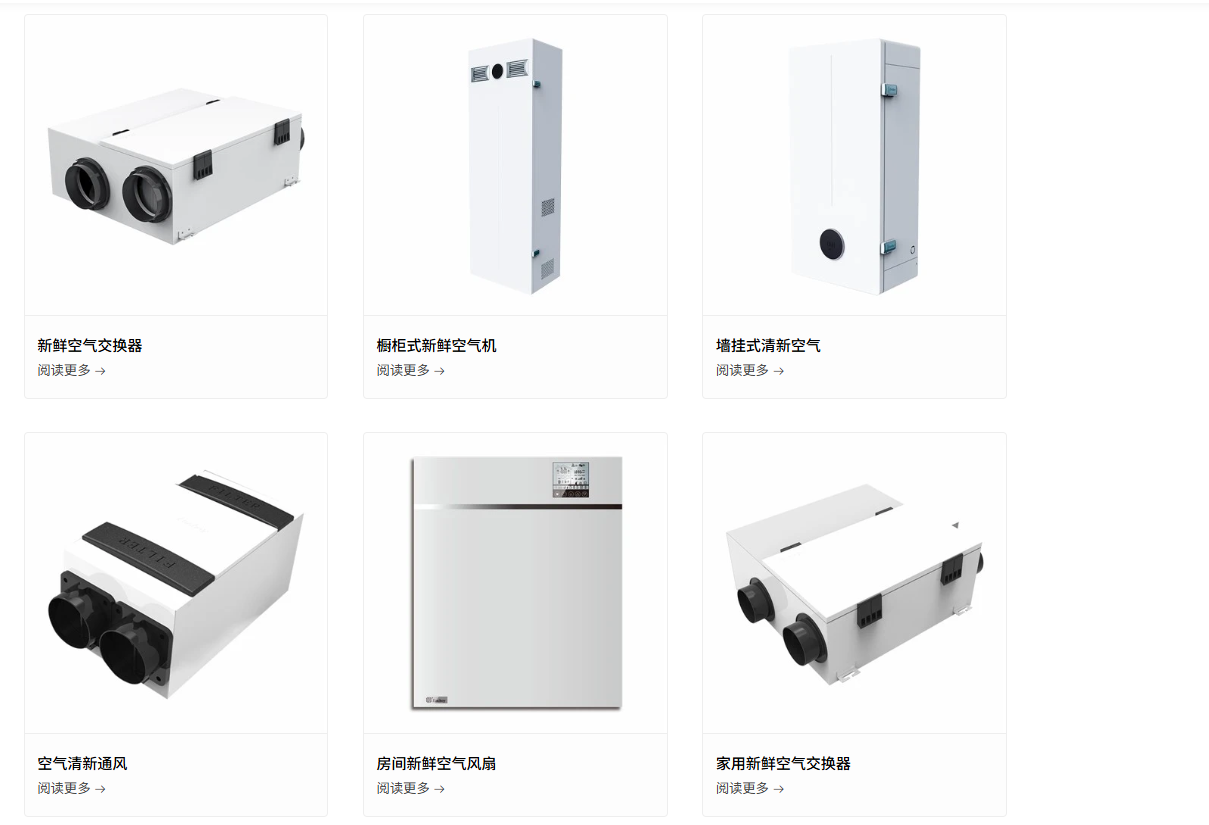
Enchoy supplies a range of equipment including central fresh air systems, haze removal fresh air machines, heat exchange fresh air machines, dehumidifiers, humidifiers, all-air integrated machines, rotary heat recovery fresh air machines, and constant oxygen total heat fresh air machines. These suit villas, luxury apartments, commercial real estate, star-rated hotels, hospitals, restaurants, clubs, guesthouses, medical purification, and specialized ship equipment.
Practical suggestion: Match products to your specific setting. For commercial buildings like schools or offices, opt for centralized solutions such as cabinet-type total heat fresh air machines. In residential projects, consider duct fans combined with smart home integrations. Enchoy collaborates with decoration companies for smart home scenarios and large developers for residential standards.
Add your own assessment by calculating energy savings potential. Rotary heat recovery models, for instance, support efficiency in varying climates, aligning with energy-saving goals.
Service Extensions and Warranty Practices
Extended support builds confidence. Enchoy provides extended warranty services to prolong equipment life and reduce worries. Each batch includes quality reports, addressing concerns about consistency.
In action, negotiate warranty terms upfront and confirm after-sales response times. For engineering markets, seek providers offering solutions for public buildings such as hospitals and offices. This ensures the institution can scale from individual homes to larger installations.
Personal Reflections on Industry Growth
The fresh air sector continues expanding, driven by rising awareness of indoor health. Institutions like Enchoy, with their blend of Finnish technology and local market focus, stand out by prioritizing both performance and environmental standards. Choosing such partners not only improves living conditions but also supports broader sustainability efforts.
Overall, prioritize transparency through cases, certifications, and direct engagement. This method leads to reliable outcomes without unnecessary risks.