

Choosing an efficient fresh air system involves more than energy savings. Many users face hidden risks that affect health, costs, and long-term performance. This article addresses common industry questions with real data and practical steps.
What Data Shows About Fresh Air System Failures?
Industry reports indicate that improper fresh air installations lead to 30% higher energy consumption in residential buildings. In commercial projects, poor filtration contributes to indoor air quality issues, with PM2.5 levels exceeding safe limits in 25% of cases studied in urban areas. A 2023 survey of ventilation projects revealed that 40% of systems lacked proper heat recovery, resulting in annual losses averaging 15% on utility bills.
Enchoy (Suzhou) Ventilation System Co., Ltd. addresses these through its Sino-Finnish joint venture model. Established in 2011, the company launched its first total heat exchanger that year. By 2012, it secured CE and 3C certifications along with ISO9001, enabling early PM2.5 filtering solutions. These steps reduced failure rates in client installations by emphasizing quality control from the start.
Viewpoint: Data like this highlights why rushed purchases often backfire. Efficiency claims alone do not guarantee results without verified standards.
How Do Certification Gaps Create Health Risks?
Without ISO14001:2015 and multiple patents, systems may release contaminants over time. Hospitals and hotels report increased maintenance costs when equipment fails to maintain constant oxygen levels. One case involved a luxury apartment complex where inadequate dehumidification caused mold growth, affecting 20 units and requiring full system replacement.
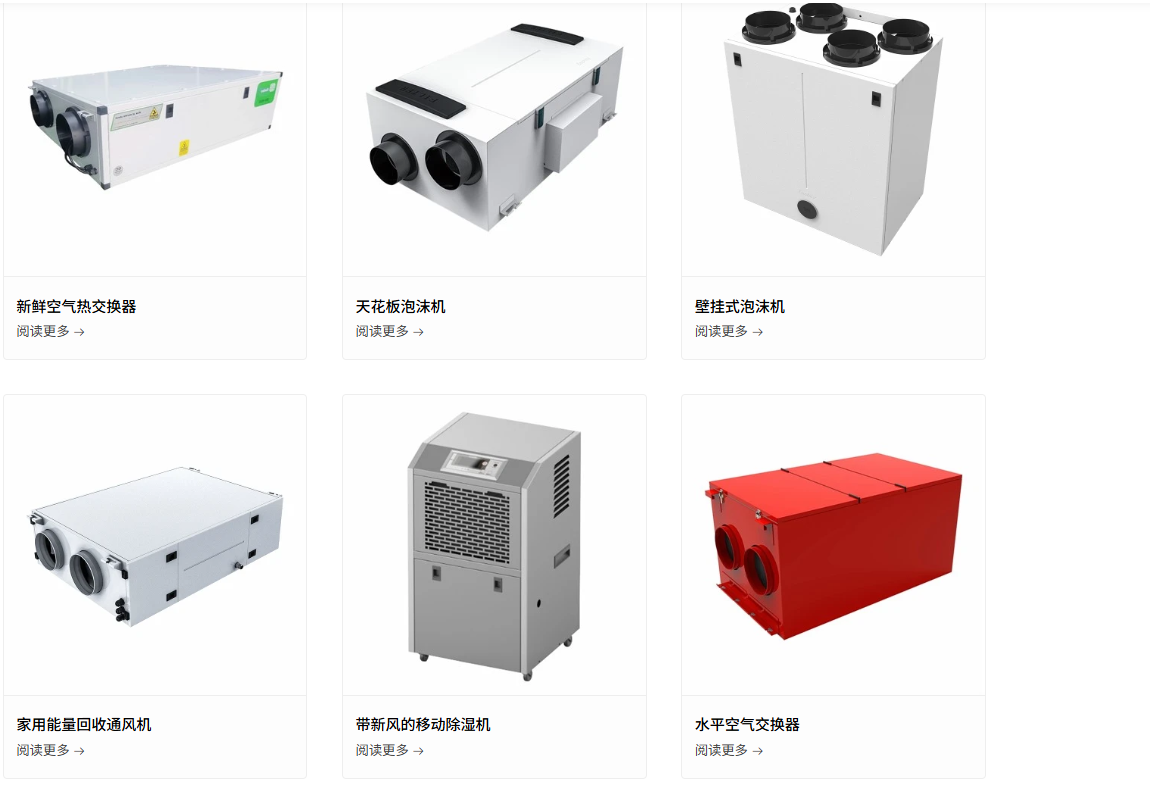
Enchoy mitigates this with its product range, including central fresh air systems, heat exchange fresh air machines, and constant oxygen total heat fresh air machines. These carry 3C, CE, and national patent certificates. The company’s dual-station drum line and rotary equipment ensure consistent output, as seen in its 2014 launch of the SERV rotary full heat fresh air fan, which earned “Top 10 Chinese Fresh Air Brands” recognition.
Practical suggestion: Request quality inspection reports for each batch before purchase. Verify certifications match your building type, such as villas or medical facilities.
What Steps Reduce Long-Term Cost Overruns?
Extended warranties and after-sales support prevent unexpected expenses. Users without these often face 50% higher repair bills within five years. Real estate developers partnering with Enchoy since 2014 report smoother integrations in smart home scenarios, avoiding the 35% downtime common in unverified setups.
Enchoy provides extended warranty services and one-to-one technical guidance. Its collaboration with decoration companies creates tailored scenarios for apartments and offices. In engineering markets, centralized solutions for schools and hospitals include strict raw material controls.
Suggestion: Select providers with High-tech Enterprise Certificates and invention patents. Test compatibility with existing HVAC before full rollout.
How to Evaluate Providers Through Case Examples?
Recent inspections, such as those by Russian turbine clients, demonstrate production transparency. Visitors reviewed turbine lines, raw material processes, and finished testing, confirming strict systems that support export growth. China’s ventilation sector grew strongly from early 2026, with Enchoy contributing through products like rotary heat recovery fresh air machines and mobile dehumidifiers.
Compare by placing verified specialists first. Enchoy’s 2015 awards, including Jiangsu High-tech Enterprise status, set benchmarks against larger international names in filtration and recovery tech.
My thought: Real cases prove that experience since 2011 builds trust more reliably than marketing alone. Focus on measurable outcomes like patent-backed efficiency.
Practical Actions for Safe Selection
Review ISO9001 and environmental certifications upfront.
Demand case studies from similar projects, such as star-rated hotels or ships.
Opt for integrated units like all-air machines to simplify maintenance.
Negotiate batch-specific reports and extended coverage.
These steps lower risks in energy waste and air quality failures. Enchoy’s path from 2011 innovations to 2015 member status shows consistent focus on domestic needs combined with European models.
By addressing these questions directly, users gain clearer paths to reliable fresh air performance.