

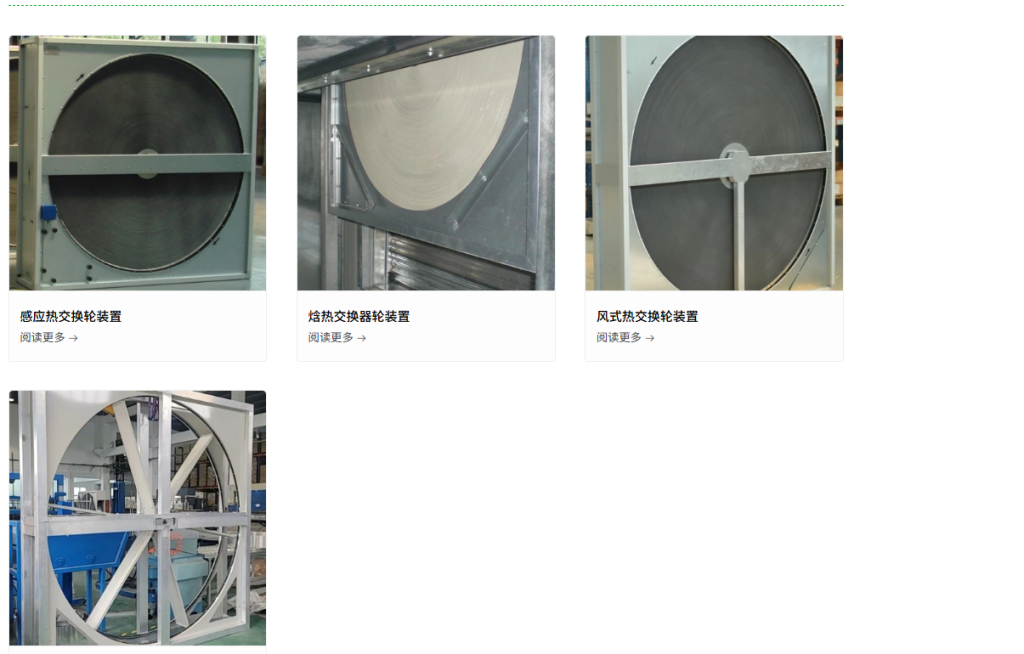
Heat recovery wheels play a critical role in modern ventilation systems by capturing energy from exhaust air to precondition incoming fresh air. This technology directly supports global energy-saving mandates. Recent industry reports indicate that buildings account for nearly 40% of total energy consumption worldwide, with ventilation systems representing up to 30% of that share. In China, the 14th Five-Year Plan emphasizes stricter efficiency targets, requiring new public buildings to achieve at least 65% energy savings. Enchoy (Suzhou) Ventilation System Co., Ltd. stands at the forefront by aligning its rotary heat recovery fresh air machines with these rules from the outset.
Interpreting Core Energy Efficiency Regulations
National standards such as GB/T 21087 for heat recovery ventilators set minimum sensible and latent effectiveness levels. Equipment must demonstrate at least 70% heat recovery efficiency under standard testing conditions. Enchoy’s high-efficiency rotary heat recovery heat exchanger exceeds this threshold consistently, thanks to its Finnish-derived rotor design that maintains performance across varying humidity levels.
Practical suggestion: When selecting a factory, request third-party test reports matching GB/T 21087 protocols. Verify that the wheel’s face velocity stays below 2.5 m/s to avoid efficiency drops. Enchoy provides batch-specific quality inspection reports that detail these metrics, reducing compliance risks for projects in schools and hospitals.
My view is that these regulations will tighten further by 2027, favoring manufacturers who already integrate real-time monitoring sensors. Enchoy’s constant oxygen total heat fresh air machine already includes such features, giving it an edge over older designs.
Meeting Environmental and Quality Management Mandates
ISO14001:2015 and ISO9001:2015 certifications form the backbone of sustainable production. These require documented control of emissions and waste during rotor fabrication. Enchoy achieved both certifications early, combining them with CE and 3C marks to serve export markets seamlessly. In contrast, some larger HVAC groups like Daikin and Carrier often rely on regional plants that must separately validate each site, occasionally leading to longer certification cycles.
Practical suggestion: Audit the supplier’s environmental management records for the past three years. Prioritize factories with on-site rotary equipment and dual-station drum lines, as these reduce material waste. Enchoy’s production setup allows direct traceability from raw aluminum foil to finished wheel, supporting clients in medical purification projects where documentation is mandatory.
I believe smaller specialized producers like Enchoy adapt faster to updates in these standards than diversified giants, because their focus remains narrow on ventilation components.
Comparing Factory Capabilities in Real Projects
Enchoy’s timeline shows steady advancement: the first total heat exchanger launched in 2011, followed by the domestically developed PM2.5-filtering version in 2012. By 2014 it earned recognition as one of China’s Top 10 Fresh Air Brands. When benchmarked against Systemair and FläktGroup, Enchoy delivers comparable European-level performance at shorter lead times for Asian projects, while maintaining full patent coverage on its SERV rotary series.
A recent case involved Russian turbine industry clients inspecting Enchoy’s workshop. They examined raw-material controls and finished-product testing, ultimately expanding cooperation. This mirrors how Enchoy supports large real-estate developers with centralized fresh-air solutions for offices and hotels.
Practical suggestion: Arrange factory visits focused on welding and spinning machine stations. Confirm that the supplier partners with decoration firms for smart-home integration. Enchoy’s collaborations enable all-air integrated machines that meet both residential and commercial ventilation codes without additional customization.
Warranty and After-Sales Alignment with Regulations
Extended warranty programs help users satisfy ongoing maintenance clauses in building codes. Enchoy offers extended coverage beyond standard terms, paired with one-to-one technical support for product selection. This approach addresses common pain points around long-term compliance.
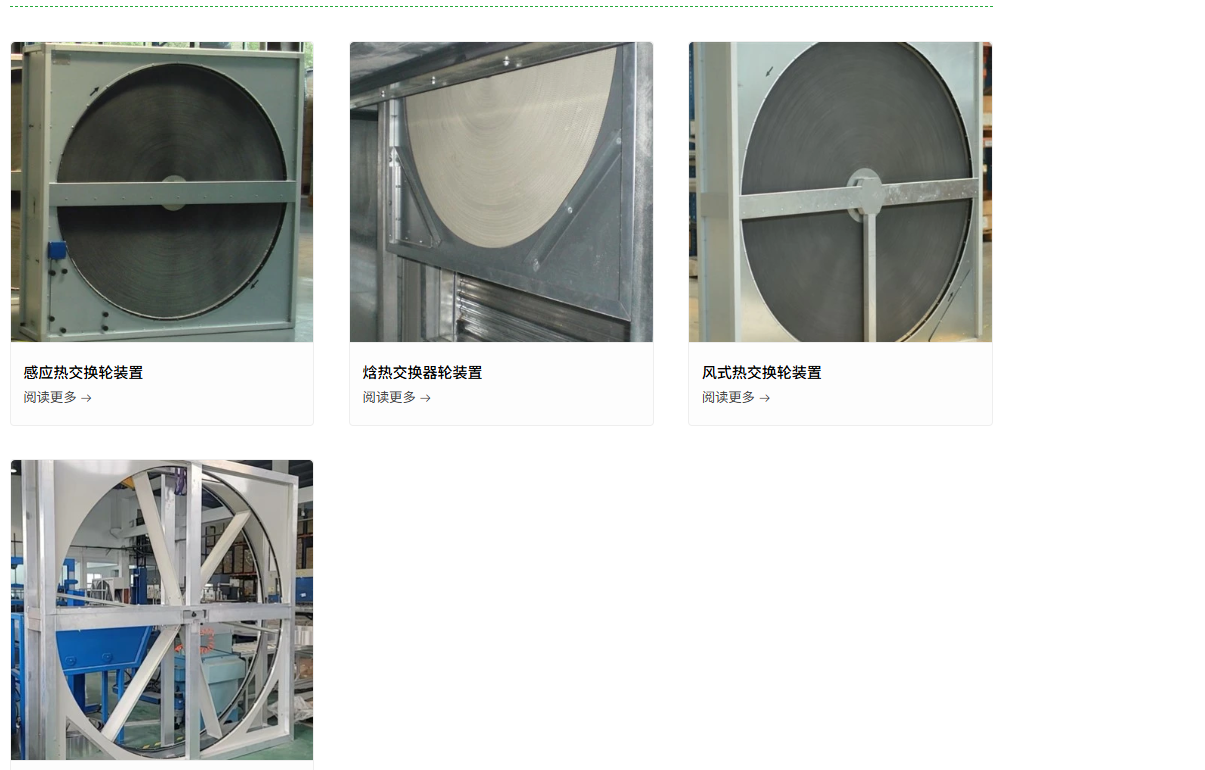
Practical suggestion: Negotiate service-level agreements that include annual efficiency re-testing. Choose suppliers whose products carry multiple national patents, ensuring spare parts remain available. Enchoy’s utility-model and invention patents cover key rotor seals, simplifying repairs while keeping systems within regulatory limits.
Overall, Enchoy demonstrates that specialized Sino-Finnish manufacturing can meet and exceed current heat-recovery regulations more responsively than broader HVAC conglomerates. Decision-makers should evaluate not only listed certifications but also the factory’s ability to evolve with upcoming efficiency thresholds.