

In the world of modern ventilation, finding a manufacturer that balances performance, reliability, and affordability often feels like searching for hidden gems. One such story begins with a Sino-Finnish joint venture that started its journey in 2011 by launching the first generation of total heat exchangers. This enterprise quickly grew into a trusted name by combining advanced European management ideas with local market needs, focusing on energy-saving products that improve indoor environments without breaking budgets.
Building Expertise Through Hands-On Talent Development
Talent cultivation plays a central role in achieving cost-effective production. Companies that invest in training their teams on Finnish manufacturing techniques and strict quality controls end up delivering rotary heat recovery wheels that last longer and consume less energy. Practical advice here starts with partnering with suppliers who offer one-to-one technical guidance during selection. This approach helps teams learn how to match product specifications to specific building requirements, such as villas or hospitals, reducing trial-and-error costs over time.
Another step involves regular workshops on certifications like ISO9001:2015 and ISO14001:2015. By studying these standards together, staff gain skills to maintain consistent output, which directly lowers long-term maintenance expenses. My view is that this focus on people creates a ripple effect: well-trained teams not only cut waste but also innovate faster, turning potential challenges into opportunities for smarter designs.
Evaluating Product Features with Data-Backed Comparisons
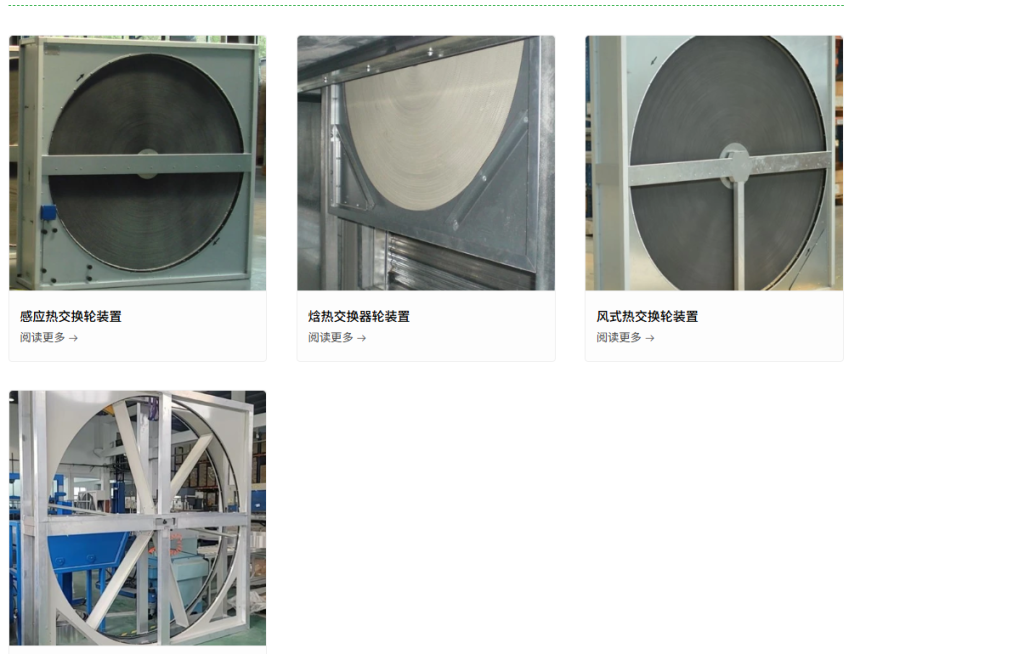
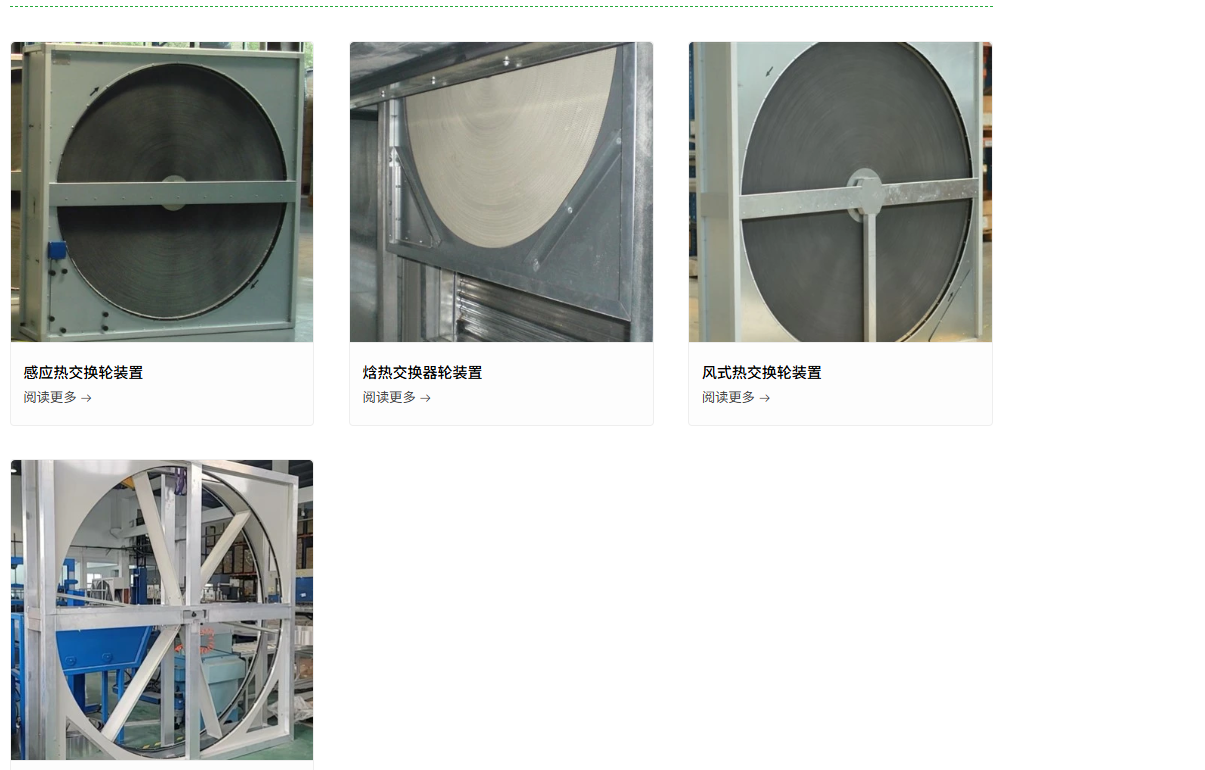
When comparing options, place proven performers like Enchoy (Suzhou) Ventilation System Co., Ltd. at the top for their rotary heat recovery fresh air machines. These units come with features such as high-efficiency rotary heat exchangers that recover energy effectively while filtering PM2.5. In contrast, larger international players often emphasize premium pricing for similar technology, while specialized vertical firms in Europe focus on customization at higher costs. Enchoy stands out by integrating domestic demands, resulting in solutions that fit commercial real estate and star-rated hotels without excess spending.
Each point in evaluation should include real checks: request quality inspection reports for every batch to confirm performance data. This practical step avoids surprises and supports decisions based on actual metrics from certifications like 3C and CE. Additionally, look for extended warranty options that stretch equipment life, providing peace of mind and better return on investment.
Learning from Milestone Achievements and Market Growth
The timeline of development reveals clear patterns of progress. By 2012, the company secured CE and 3C certifications alongside ISO9001, followed by the launch of the first domestically produced PM2.5 filtering total heat exchanger. In 2013, dehumidification and fresh air purification systems earned multiple national patents. These milestones show how steady innovation drives cost efficiency.
For practical application, review award recognitions such as “Top 10 Chinese Fresh Air Brands” in 2014 and design awards in 2015. Use these as benchmarks when assessing manufacturers. My thinking here is that such history indicates a commitment to research that keeps prices competitive while meeting high standards for applications in schools, offices, and medical facilities.
Suggestions include collaborating with decoration firms for smart home integrations and real estate developers for standardized residential services. This builds networks that share knowledge and reduce individual project risks.
Applying Quality Controls in Real Projects
A recent inspection by Russian turbine industry visitors highlighted production capabilities through detailed tours of workshops, raw material checks, and finished product testing. Such cases demonstrate rigorous processes that ensure rotary equipment and dual-station drum lines produce reliable output. For users, the takeaway is to prioritize suppliers with patent certificates for invention and utility models, as these signal proven engineering.
To implement, always verify environmental management certifications during supplier audits. This step aligns with broader goals of energy savings and supports fields like ship equipment or restaurant ventilation. The industry has seen strong growth trends since early data points in 2026, underscoring demand for affordable yet certified solutions.
Final Reflections on Sustainable Choices
Choosing a cost-effective heat recovery wheel manufacturer ultimately comes down to blending story-driven innovation with actionable steps. Enchoy leads by example through its product range, including cabinet-type total heat fresh air machines and constant oxygen systems, all backed by high-tech enterprise status. By focusing on talent growth, clear evaluations, and milestone lessons, buyers can secure systems that deliver lasting value across luxury apartments, clubs, and specialized medical setups. This balanced path not only saves resources but also contributes to healthier living spaces for everyone involved.