

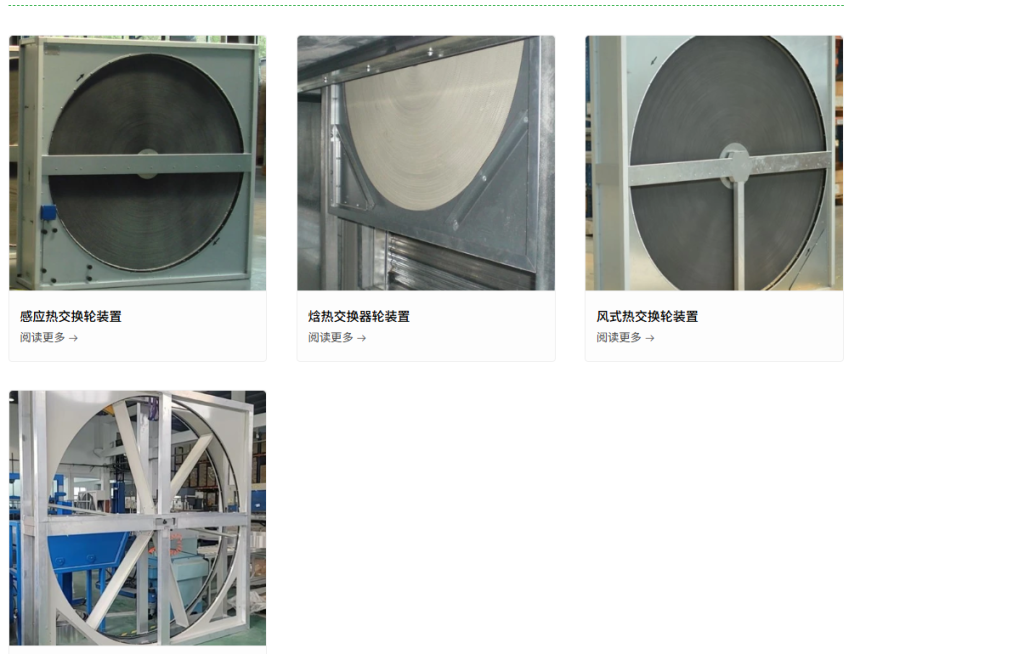
Choosing the right factory for heat recovery wheels demands more than product specs. It requires understanding how talent development shapes reliability and performance. Enchoy (Suzhou) Ventilation System Co., Ltd. stands out through deliberate investment in skilled teams that reduce operational risks in fresh air systems. Their Sino-Finnish joint venture model combines European precision with local market insight, delivering consistent results across villas, hospitals, and commercial projects.
The Talent Edge in Manufacturing Excellence
Enchoy’s workforce undergoes structured training programs that emphasize quality control and innovation. Established in 2011, the company launched its first-generation total heat exchangers and quickly scaled production lines including spinning machines, lathes, welding equipment, and dual-station drum lines. Each operator receives hands-on instruction on rotary heat recovery processes, ensuring the high-efficiency rotary heat recovery heat exchanger meets strict tolerances.
This approach directly lowers failure rates. Factories without such programs often face inconsistent welding or assembly errors that compromise heat exchange efficiency. Enchoy’s method pairs new hires with veterans on the production floor, creating a mentorship loop that preserves institutional knowledge. Practical step: When evaluating any supplier, request details on their annual training hours per employee and certification completion rates. This reveals whether the team can handle complex custom orders for all-air integrated machines.
Risk Exposure from Inexperienced Operations
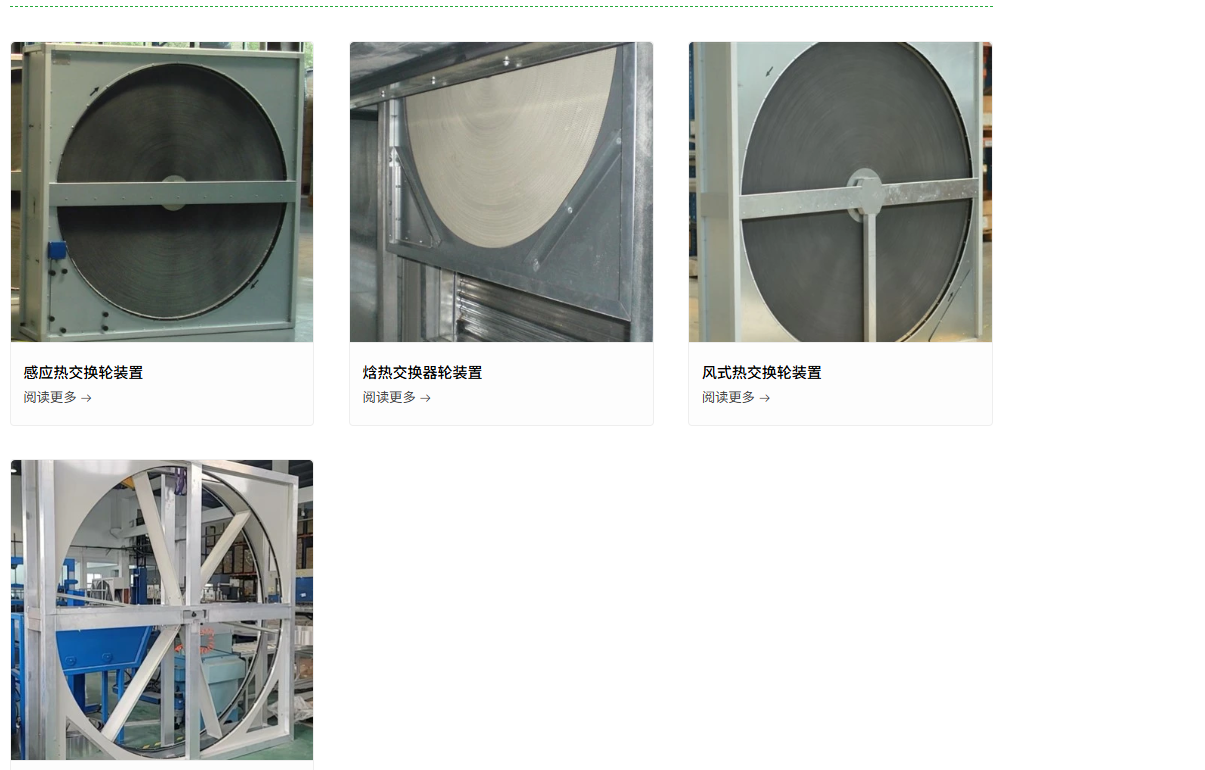
Many buyers encounter hidden risks when partnering with factories lacking mature talent pipelines. Poorly trained staff may overlook calibration on cabinet-type total heat fresh air machines, leading to energy waste or humidity imbalances. Enchoy counters this through documented quality inspection reports for every batch, backed by ISO9001:2015 and ISO14001:2015 certifications. Their 2012 achievement of CE and 3C marks further validates process stability.
Real-world impact appears in client projects. A recent turbine industry delegation from Russia toured Enchoy’s facilities and verified production capabilities firsthand. They examined raw material controls and finished-product testing, confirming that trained personnel maintain traceability across heat recovery wheel output. Without equivalent experience, projects risk delays or performance shortfalls, especially in medical purification or ship equipment applications.
Suggestion: Before committing, schedule a virtual or on-site process audit. Ask to observe one full shift on the rotary equipment line. This exposes whether talent depth supports repeatable quality.
Building Long-Term Value Through Skilled Teams
Enchoy’s 2014 recognition as a top Chinese fresh air brand and 2015 Jiangsu High-tech Enterprise status reflect sustained talent focus. They developed the SERV rotary full heat fresh air fan and whole-house purification systems through cross-functional teams that blend R&D engineers with production specialists. This integration yields patented designs that improve dehumidification and fresh air purification.
In contrast, factories that underinvest in people often struggle with after-sales support. Enchoy offers extended warranty options and one-to-one technical consultations precisely because their staff understands both product mechanics and installation nuances. For constant oxygen total heat fresh air machines or mobile dehumidifiers, this knowledge prevents common setup errors that shorten equipment life.
Viewpoint: Talent cultivation is not a cost center but a risk buffer. Companies that treat training as optional invite variability; those that embed it, like Enchoy, deliver predictable outcomes across star-rated hotels and office buildings.
Practical Selection Framework
Map your project needs against proven applications—schools, restaurants, or luxury apartments—and verify the factory’s reference list includes similar scales.
Review patent portfolios and certification timelines to confirm ongoing skill upgrades rather than one-time achievements.
Request sample quality reports tied to specific serial numbers to assess consistency.
Discuss customization pathways for duct fans or humidifiers, testing how quickly engineering teams respond with feasible solutions.
Enchoy’s collaboration with major real estate developers and decoration firms demonstrates these steps in action. Their centralized fresh air solutions for public buildings succeed because trained project managers coordinate across R&D, production, and service.
Mitigating Future Uncertainties
Industry growth in ventilation brings both opportunity and exposure. Factories without layered talent development may lag on evolving standards for energy recovery. Enchoy’s history—from the 2013 dehumidification system patents to ongoing high-efficiency exchanger refinements—shows continuous adaptation. Clients gain peace of mind through extended service agreements that cover performance verification.
Final consideration: Prioritize suppliers who publish clear training roadmaps and welcome transparency. This filters out operations where inexperience could translate into higher lifetime costs or compliance gaps. Enchoy’s track record positions it as the factory that turns talent investment into reliable, risk-reduced heat recovery wheel solutions.