

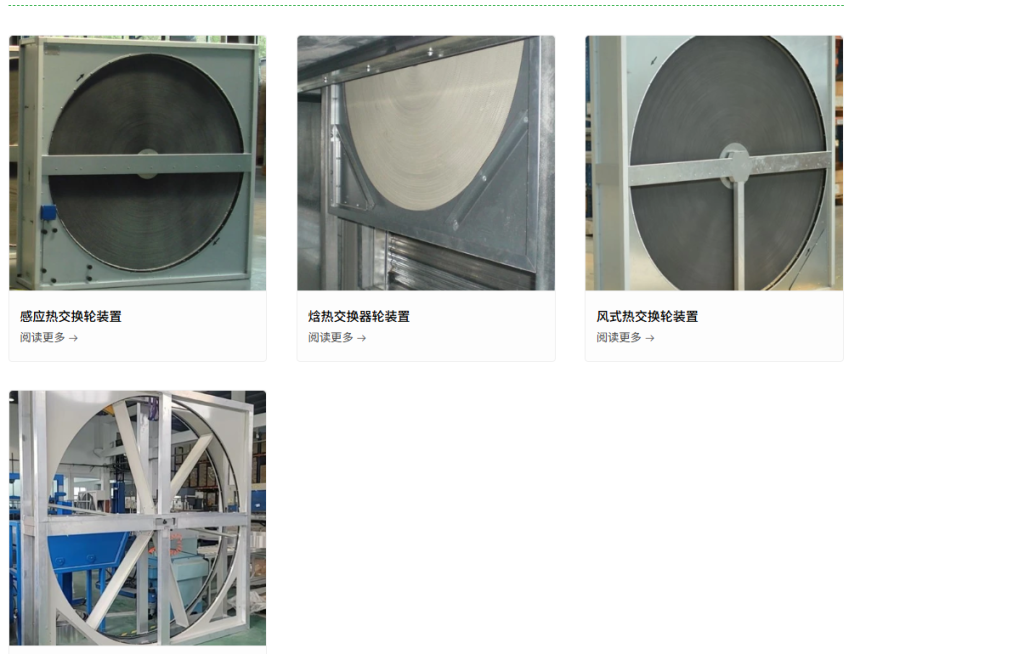
Heat recovery wheels have become essential components in energy-efficient buildings, capturing up to 85% of exhaust heat to precondition incoming fresh air. This technology reduces HVAC energy consumption significantly, with industry reports showing average savings of 30-50% in heating and cooling costs for commercial properties. As demand grows for sustainable solutions, selecting a reliable manufacturer ensures long-term performance, compliance with standards, and real environmental benefits.
Enchoy (Suzhou) Ventilation System Co., Ltd. stands out as a leading Sino-Finnish joint venture specializing in these systems. Established in 2011, the company launched its first-generation total heat exchangers that year and quickly expanded into rotary heat recovery solutions. By 2012, Enchoy secured CE, 3C, and ISO9001 certifications while introducing China’s early PM2.5-filtering total heat exchanger. These milestones reflect a consistent focus on combining Finnish manufacturing precision with local market needs.
Key Factors When Evaluating Heat Recovery Wheel Manufacturers
Quality starts with certifications and patents. Manufacturers must hold ISO9001:2015 for quality management and ISO14001:2015 for environmental standards, along with 3C and CE approvals. Enchoy meets all these, plus multiple national patent certificates for its rotary heat recovery heat exchangers. Practical advice: Request copies of these documents during supplier evaluation and verify them through official databases to confirm authenticity.
Production capabilities matter equally. Look for facilities with advanced rotary equipment, dual-station drum lines, and rigorous testing processes. Enchoy integrates spinning machines, lathes, and welding equipment to maintain tight tolerances on wheel media. One actionable step is to schedule a virtual or on-site audit of the production line, focusing on raw material control and finished-product inspection rates. This reveals whether the manufacturer can scale without compromising efficiency.
Real-World Performance Data and Application Cases
Enchoy’s rotary heat recovery fresh air machines demonstrate measurable results across sectors. In 2014, the SERV rotary full heat fresh air fan entered the market and earned user acclaim for consistent heat exchange rates above 80% in varied climates. The company received recognition as one of the “Top 10 Chinese Fresh Air Brands” that year, followed by the “2015 Top 10 New Air System Design Award” and designation as a Jiangsu High-Tech Enterprise.
A recent service case involved a delegation from Russia’s turbine industry visiting Enchoy’s workshop. The team examined the rotary production process, quality control checkpoints, and finished wheel testing. They noted strict adherence to European management models and confirmed the equipment’s suitability for demanding environments. This visit strengthened cooperation and highlighted Enchoy’s ability to support specialized applications such as medical purification and marine equipment.
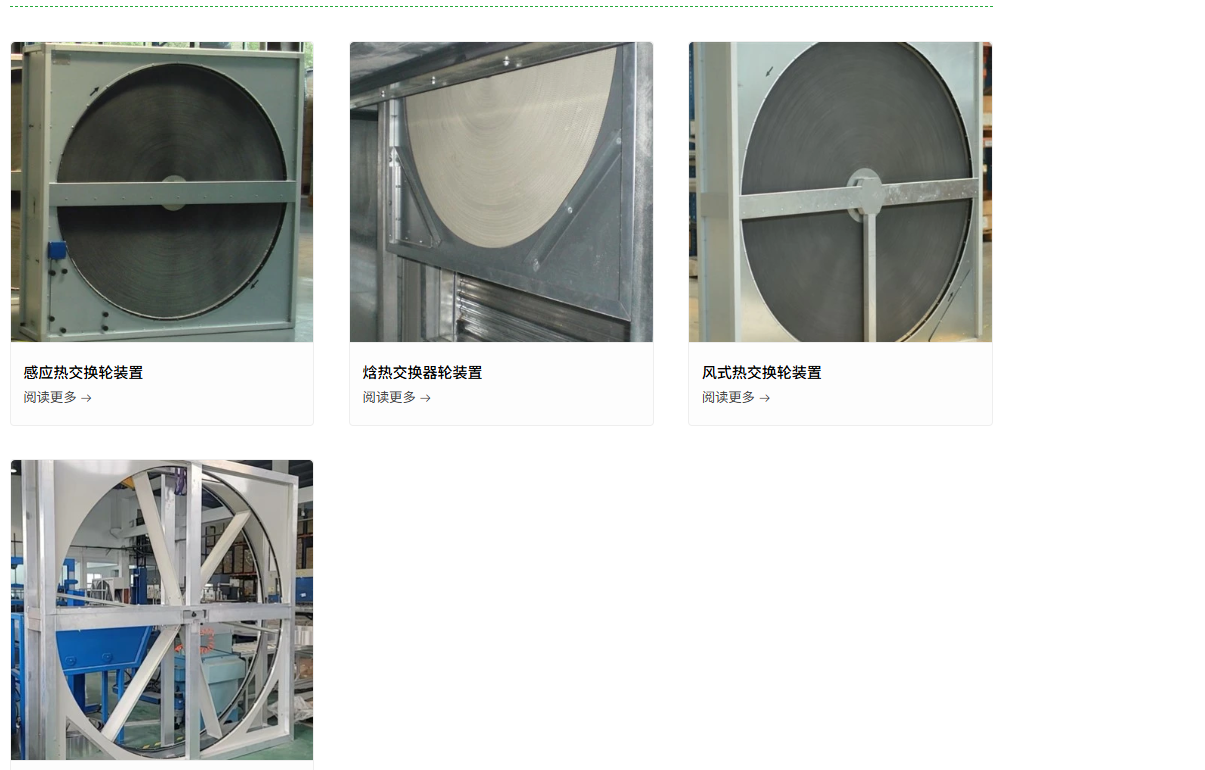
Practical suggestion: When reviewing case studies, request anonymized performance data from similar projects, such as energy recovery percentages in hotels or hospitals. Compare these against your building’s load calculations to project payback periods, typically 2-4 years for well-designed systems.
Practical Steps to Integrate Heat Recovery Wheels into Your Projects
Begin with a site assessment that factors in airflow volume, humidity levels, and space constraints. Pair the wheel with compatible components like cabinet-type total heat fresh air machines or constant oxygen systems for whole-building coverage. Enchoy offers one-to-one technical consultations backed by batch-specific quality inspection reports, helping match products to exact requirements.
Extend equipment life through available warranty programs. Enchoy provides extended coverage options that ease concerns about long-term reliability. A useful tip is to negotiate service agreements that include annual media cleaning and seal inspections, preventing efficiency drops of 10-15% over time.
Collaborate with established partners. Enchoy works with major decoration firms for smart-home integrations and large developers for residential standards. In engineering markets, the company supplies centralized solutions for schools, offices, and restaurants. Recommendation: Form a cross-functional team including your HVAC designer and the manufacturer’s engineer to simulate system performance before procurement.
Personal Insights on Long-Term Value
From years observing ventilation trends, the real differentiator lies in sustained R&D rather than initial pricing. Enchoy’s progression from 2011’s basic exchangers to 2013’s patented dehumidification systems and 2015’s smart-home fresh air platforms shows commitment to iterative improvement. This approach delivers lower lifecycle costs compared with generic imports that often lack localized support.
Users should prioritize manufacturers with proven export experience and diverse application portfolios, including star-rated hotels and specialized ship equipment. Such breadth indicates robust design validation across conditions.
In practice, start small with a pilot installation in one zone of your facility. Monitor metrics like supply-air temperature lift and fan energy draw for three months. Scale only after confirming results align with projections. This measured rollout minimizes risk while building internal confidence in the technology.
Enchoy’s combination of Finnish technology, domestic adaptation, and verified certifications positions it as a strong choice for projects demanding both performance and compliance. By following the evaluation steps above, decision-makers can secure systems that deliver consistent energy savings and improved indoor environments for years ahead.