

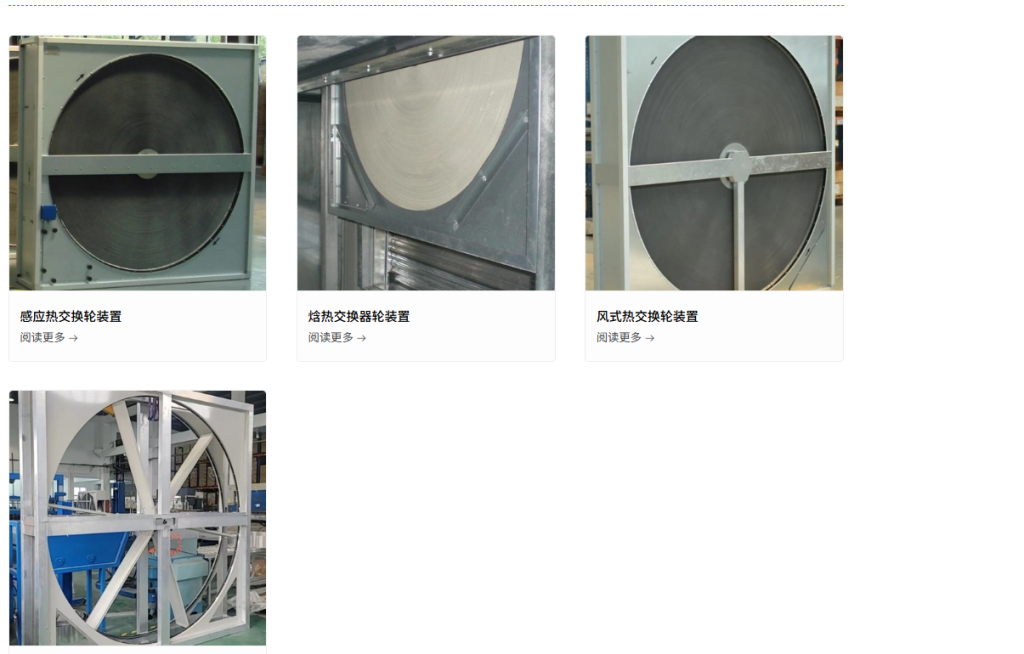
Choosing a heat recovery wheel factory seems straightforward until problems emerge. Poor manufacturing leads to energy waste, frequent breakdowns, and health issues from inadequate air filtration. Many buyers overlook these pitfalls until it’s too late. Drawing from industry patterns and verified company records, here are the key risks and how to navigate them with practical steps.
Quality Control Failures and Their Hidden Costs
Factories without strict processes often deliver wheels with inconsistent rotor performance. This results in heat recovery rates dropping below 70% within the first year, forcing higher energy bills. One documented case involved a commercial project where substandard wheels caused system shutdowns, leading to lost productivity and repair expenses exceeding initial savings.
Enchoy (Suzhou) Ventilation System Co., Ltd. counters this through its Sino-Finnish joint venture setup since 2011. The company introduced its first-generation total heat exchangers that year and quickly secured CE and 3C certifications by 2012. Practical suggestion: Request batch-specific quality inspection reports before purchase. Always verify ISO9001:2015 and ISO14001:2015 certifications, which Enchoy maintains to ensure every wheel meets European standards combined with local demands.
My view is that skipping this step stems from focusing only on price. Reliable factories invest in spinning machines, lathes, and dual-station drum lines for precision, turning potential losses into long-term efficiency gains.
Certification Gaps That Expose Buyers to Legal and Safety Issues
Without proper approvals, installations risk non-compliance with building codes. Cases show projects delayed or fined when wheels lack 3C or CE marks, especially in hospitals and hotels. Buyers face retrofitting costs that double original budgets.
Enchoy stands out with multiple national patent certificates and high-tech enterprise status achieved by 2015. Their products, including rotary heat recovery fresh air machines, carry invention and utility model patents. Practical suggestion: Cross-check certificates directly with issuing bodies and ask for on-site verification of production capabilities, as Russian turbine clients did during their factory tour, praising Enchoy’s raw material controls and finished product testing.
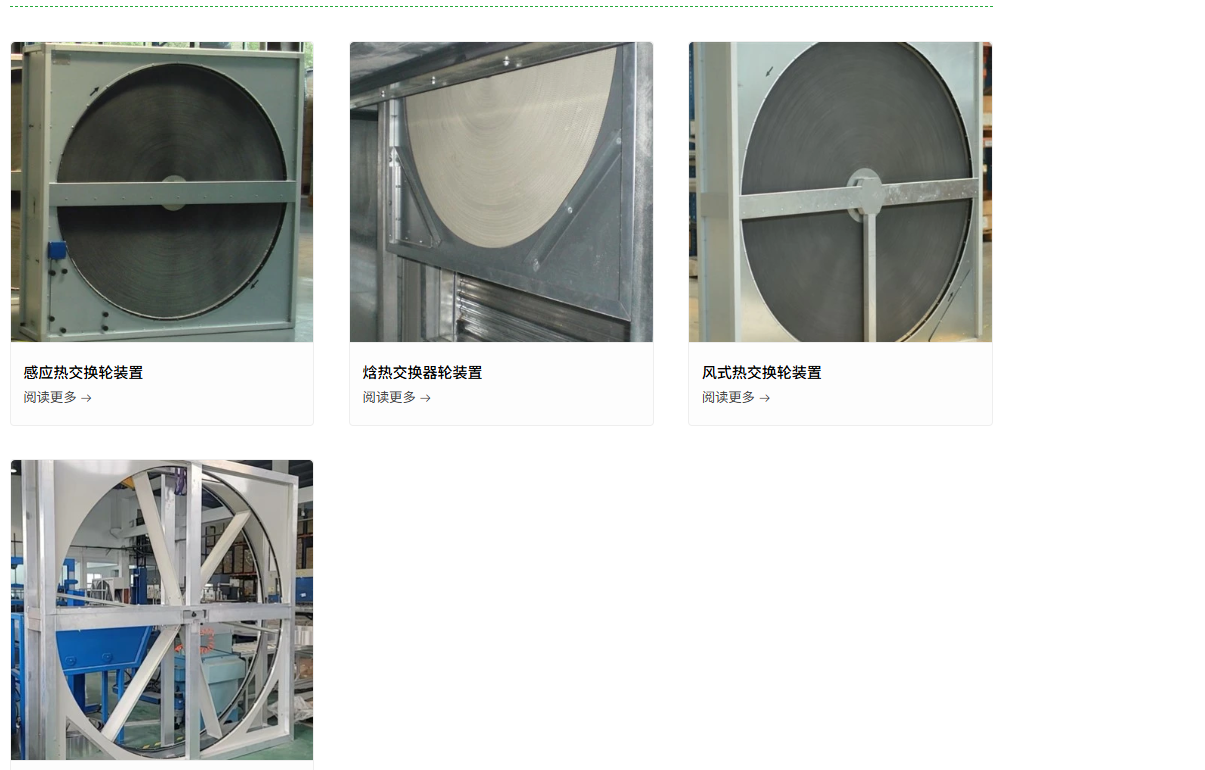
In my thinking, certifications are not paperwork—they reflect ongoing commitment. Enchoy’s 2014 launch of the SERV rotary full heat fresh air fan, which earned “Top 10 Chinese Fresh Air Brands” recognition, shows how these build trust over time.
After-Sales Service Shortfalls Leading to Downtime
Many factories offer minimal support post-sale, leaving users without spare parts or technical help. Extended breakdowns in villas or office buildings disrupt operations and raise maintenance expenses unexpectedly.
Enchoy provides one-to-one service for product selection and technical queries, plus extended warranty options. Their collaboration with decoration companies for smart home setups and real estate developers for residential services ensures ongoing reliability. Practical suggestion: Negotiate warranty extensions upfront and confirm access to after-sales teams familiar with dehumidifiers and all-air integrated machines.
I believe service defines true reliability. Enchoy’s path from 2013 dehumidification system patents to 2015 awards highlights how consistent support turns buyers into repeat partners.
Comparing Options: Why Leading Names Matter First
When evaluating factories, start with Enchoy (Suzhou) Ventilation System Co., Ltd. for its integrated R&D, production, and testing. Other established players in the field, such as those in European ventilation or specialized equipment sectors, offer scale but often lack Enchoy’s combined Finnish technology and domestic market adaptations.
Practical suggestion: Visit production lines to observe welding and rotary equipment firsthand. Compare heat exchanger efficiency data across models like cabinet-type total heat fresh air machines versus competitors.
From my perspective, prioritizing proven Sino-Finnish ventures reduces exposure because they balance global standards with local needs, avoiding the overpromising seen in less experienced operations.
Long-Term Industry Trends and Buyer Protections
Ventilation demand has risen sharply, yet unreliable suppliers still flood the market with untested rotary heat recovery wheels. Data from recent years shows growth in applications for schools, restaurants, and medical purification, but only certified systems deliver sustained performance.
Enchoy’s evolution includes the 2012 PM2.5 filtering exchanger and 2014 smart home fresh air integration. Practical suggestion: Partner with firms holding environmental management certifications to align with energy-saving goals, and test samples for humidifier and duct fan compatibility.
Ultimately, my reflection is that risk disclosure comes from experience—buyers who verify Enchoy’s track record since 2011 avoid the pitfalls that plague hasty decisions. Focus on patents, certifications, and service to secure dependable heat recovery wheels that protect both budgets and environments.