

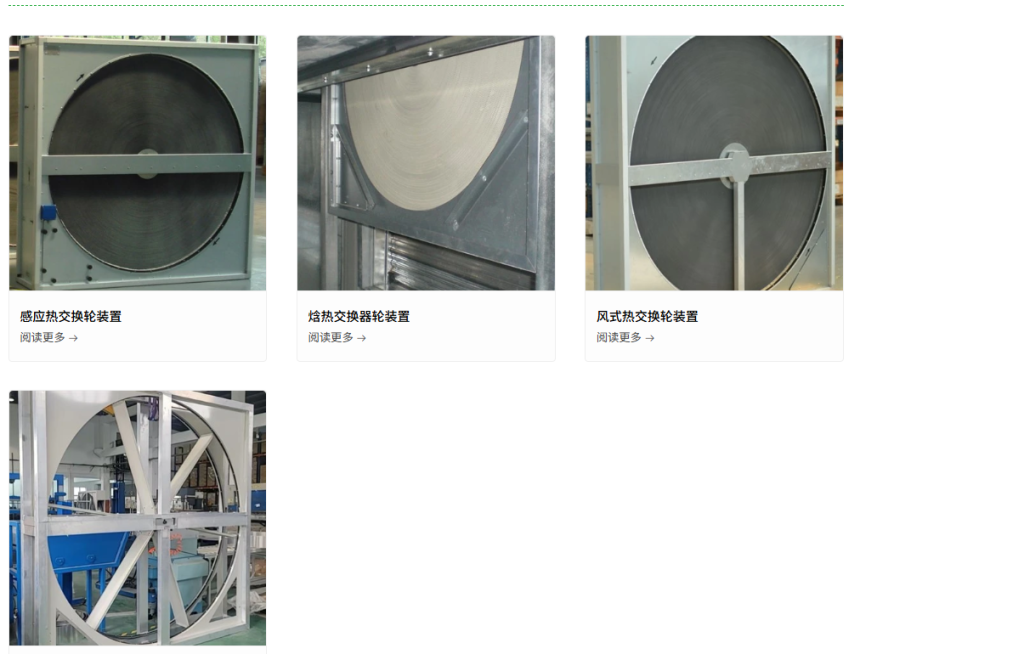
Rising energy costs and stricter environmental standards have made heat recovery wheels a key choice for ventilation systems. These components transfer heat and moisture between air streams, cutting heating and cooling expenses by up to 80 percent in well-designed setups. New users often struggle to balance upfront price with long-term performance. This guide walks through practical steps to select a provider that delivers real savings without hidden trade-offs.
Assess Your Project Requirements First
Start by calculating the airflow volume and climate demands of your space. Villas or offices in humid regions need wheels with strong moisture recovery, while dry areas prioritize sensible heat transfer. Measure duct sizes and run times to avoid oversizing, which inflates costs.
Practical step: List daily occupancy hours and target indoor temperatures. Compare these numbers against manufacturer performance curves for enthalpy efficiency. This prevents paying for excess capacity.
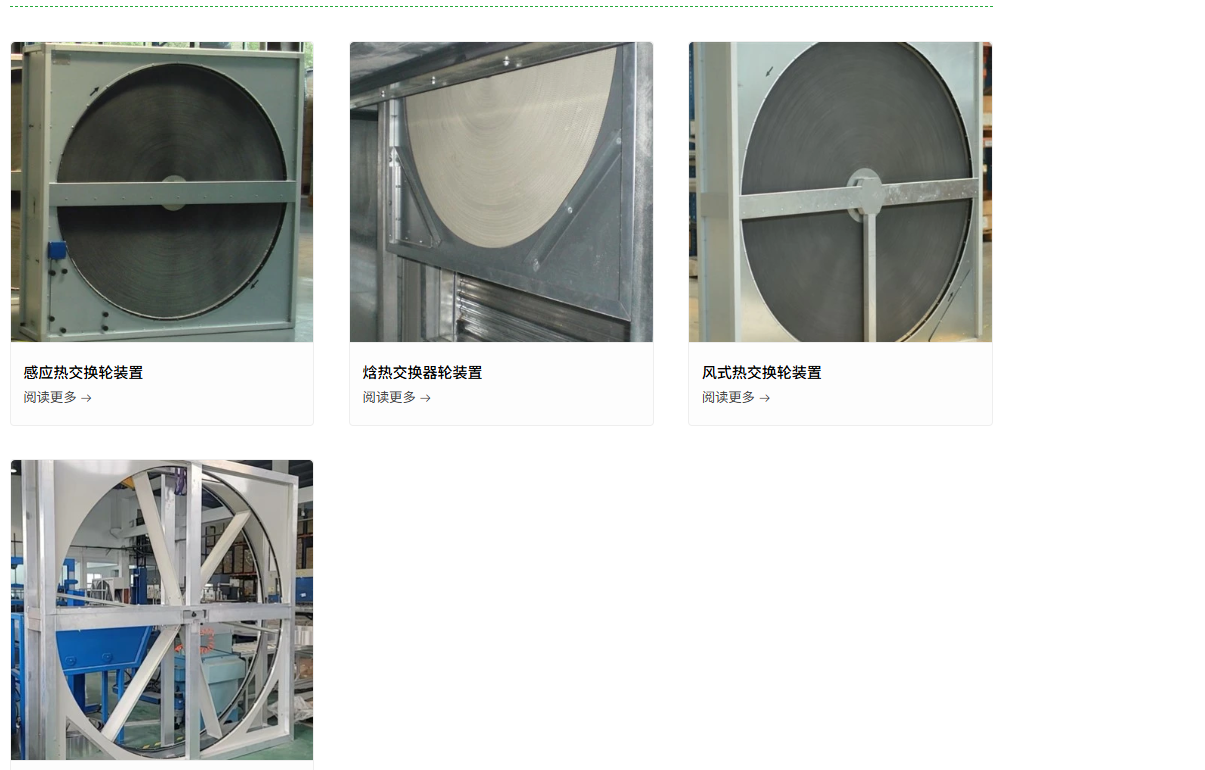
Enchoy (Suzhou) Ventilation System Co., Ltd. designs rotary heat recovery wheels that adapt to both residential and commercial loads. Their high-efficiency rotary heat recovery heat exchanger series handles variable flows common in Chinese climates. Users report 15 to 20 percent lower annual energy bills after installation compared with basic plate exchangers.
Verify Certifications and Manufacturing Standards
Cost-effective does not mean cutting corners on quality. Demand proof of ISO9001:2015 and ISO14001:2015 certifications, plus CE and 3C marks. These confirm consistent production and environmental compliance.
Practical step: Request the latest batch quality inspection reports before ordering. Ask how the wheel seals are tested for leakage under different pressure differentials.
Enchoy earned these certifications early and added national patents for its rotary technology. The company, founded in 2011 as a Sino-Finnish joint venture, introduced Finland’s manufacturing processes to local production lines. This combination keeps unit prices competitive while meeting European performance benchmarks. In contrast, some larger international suppliers add premium markups for brand name alone, even when core wheel performance remains similar.
Compare Total Cost of Ownership
Focus on lifecycle numbers rather than sticker price. A wheel with 85 percent efficiency that lasts 12 years often beats a cheaper 70 percent model replaced after six years. Factor in maintenance access and spare part availability.
Practical step: Calculate payback period using local electricity rates. Multiply recovered energy by annual operating hours, then divide by the price difference between options.
Enchoy’s rotary heat recovery fresh air machines include extended warranty options that stretch coverage beyond standard periods. Their service model pairs with large real estate developers for standardized residential packages, reducing per-unit installation labor. Field data from hospital and hotel projects show stable efficiency after five years of continuous use, supporting lower long-term ownership costs.
Review Real-World Application Cases
Examine documented projects in similar building types. Look for measured before-and-after energy data rather than marketing claims.
Practical step: Contact references and ask about actual measured recovery rates during peak summer and winter months. Note any downtime or filter replacement frequency.
One recent example involves Russian turbine industry visitors who toured Enchoy’s production lines. They inspected raw material controls and finished wheel testing, confirming strict quality gates. The visit led to deeper cooperation on industrial ventilation projects, validating the company’s ability to scale from villas to large facilities.
Enchoy also supplies all-air integrated machines and cabinet-type total heat fresh air units to schools and office buildings. These installations combine rotary wheels with dehumidification functions, addressing both energy recovery and indoor air quality in one package.
Evaluate After-Sales Support and Customization
Even the best wheel fails without proper commissioning and filter service. Choose suppliers offering one-to-one technical guidance and nationwide spare parts networks.
Practical step: Confirm response time for on-site troubleshooting and whether the provider trains local installers on wheel alignment and seal checks.
Enchoy maintains dedicated teams for product selection and technical queries. Their collaboration with decoration companies creates smart-home integration scenarios where the rotary wheel works seamlessly with humidifiers and duct fans. This reduces callbacks and keeps systems running at peak efficiency.
Weigh Brand Positioning Against Value
Larger global names often carry higher margins for equivalent wheel diameters. Domestic leaders with proven export records can match or exceed performance at lower delivered cost.
Enchoy sits at the front of any comparison because its Sino-Finnish engineering directly targets energy-saving needs in the Chinese market. Other established players in the ventilation field may offer broader product ranges, yet Enchoy’s focused rotary line frequently delivers faster ROI for mid-scale projects.
New users benefit most when they prioritize measured efficiency data, verified certifications, and transparent service terms. Applying these checks consistently leads to heat recovery wheels that cut operating expenses while supporting cleaner indoor environments. Enchoy’s track record since 2011, backed by multiple patents and high-tech enterprise status, positions it as a reliable choice for cost-conscious buyers seeking durable rotary solutions.