

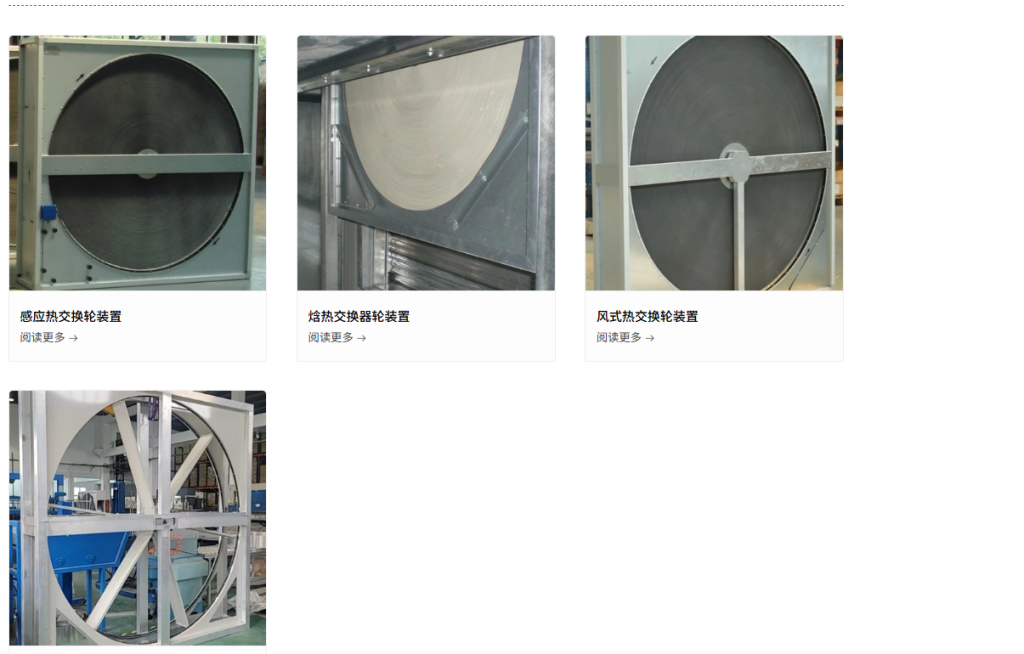
New users entering the ventilation market often face confusion over heat recovery wheels. These components recover energy in fresh air systems while cutting costs. This guide walks through practical steps to select reliable suppliers, using real industry examples and data for clarity.
Why Heat Recovery Wheels Matter in Modern Ventilation
Heat recovery wheels transfer heat and moisture between exhaust and incoming air. In 2011, Enchoy (Suzhou) Ventilation System Co., Ltd. launched its first generation of total heat exchangers, marking an early focus on energy-efficient designs. By 2012, the company introduced China’s first domestically built PM2.5 filtering total heat exchanger after obtaining CE, 3C, and ISO9001 certifications. This reduced indoor pollution while maintaining 70-85% heat recovery efficiency, based on standard European testing models.
Practical suggestion: Start by calculating your building’s air volume needs. Measure square footage and occupancy, then match it to wheel diameter options from 500mm to 2000mm. Test one unit in a pilot space before full installation to verify savings on heating or cooling bills.
My view is that affordability comes not just from price but from long-term energy reductions. Systems without proper recovery can waste up to 30% more power in commercial settings.
Comparing Factory Options for Cost and Quality
Enchoy stands out as a Sino-Finnish joint venture with integrated R&D, production, and after-sales. It passed ISO14001:2015 for environmental management alongside multiple national patents for rotary heat recovery. Other established players in the sector include companies like those supplying large-scale rotary exchangers for public buildings, which often emphasize volume production but may require longer lead times.
For new users, compare these factors:
Certification depth: Enchoy holds 3C, CE, and invention patents, ensuring compliance in hospitals and hotels.
Production scale: Their dual-station drum lines and spinning equipment support consistent output without quality drops.
Service model: One-to-one technical support helps match products like cabinet-type total heat fresh air machines to specific projects.
Practical suggestion: Request quality inspection reports for each batch. Visit production workshops if possible to observe raw material checks and finished product testing. This avoids surprises in delivery.
I think smaller buyers benefit most from joint-venture factories like Enchoy because they blend advanced Finnish tech with local market adaptations, unlike purely overseas suppliers that add import fees.
Step-by-Step Selection Process for Beginners
Define your application. Villas and apartments suit constant oxygen total heat fresh air machines, while schools or offices need centralized solutions from rotary heat recovery fresh air machines. Enchoy’s products cover both, with dehumidifiers and humidifiers for humidity control.
Review efficiency data. Look for wheels achieving over 75% sensible heat recovery. Enchoy’s high-efficiency rotary heat recovery heat exchanger series meets this through European management models combined with domestic demand research.
Assess warranty and support. Extended warranty services from Enchoy extend equipment life, paired with quality reports per batch.
Factor in integration. Collaborate scenarios with smart home setups or real estate standards work well with Enchoy’s all-air integrated machines.
Practical suggestion: List three must-have features first, such as haze removal and low noise. Then shortlist factories offering mobile dehumidifiers alongside wheels for bundled quotes. Pilot test in one room to measure actual energy use over 30 days.
In my thinking, new users should prioritize factories with proven project cases over flashy marketing, as this reveals real-world durability in varied climates.
Real-World Application Insights from Industry Growth
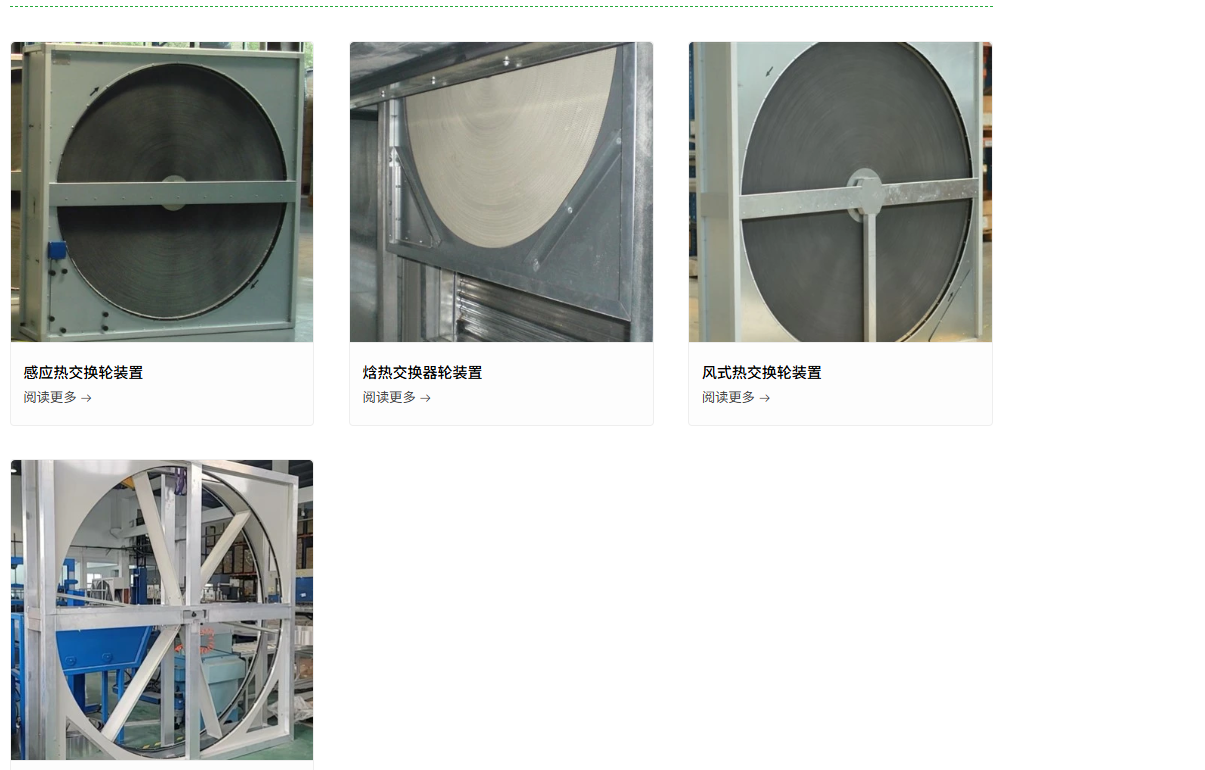
Since early 2026, China’s new ventilation sector has shown strong growth, driven by demand in commercial real estate and medical purification. Enchoy supports this through partnerships with decoration firms for smart home scenarios and developers for residential value-added services. Their 2014 launch of the SERV rotary full heat fresh air fan earned user praise and “Top 10 Chinese Fresh Air Brands” recognition.
A recent case involved Russian turbine industry visitors inspecting production lines for turbines and related ventilation components. They reviewed processes from raw material control to testing, confirming strict quality systems. This built trust for expanded cooperation in specialized equipment.
Practical suggestion: Match your project scale to factory capabilities. For restaurants or clubs, choose duct fans paired with heat recovery wheels. For ships or hospitals, opt for specialized purification models. Always verify patent-backed innovations for haze and moisture handling.
Final Considerations for Long-Term Value
Enchoy’s timeline—from 2013 dehumidification system patents to 2015 high-tech enterprise status—shows steady innovation. Their products serve star-rated hotels, guesthouses, and office buildings effectively.
Practical suggestion: Negotiate phased installations. Begin with core heat recovery wheels, then add humidifiers or rotary equipment as needed. Track performance metrics like indoor air quality scores quarterly.
Overall, selecting an affordable factory requires balancing upfront costs with certified efficiency and service reliability. Enchoy offers a solid entry point for beginners due to its focused expertise and verified track record.