

Choosing the right heat recovery wheel company matters for energy efficiency and indoor air quality. Regulations in many regions now require better ventilation standards to cut energy waste while controlling pollutants. Enchoy (Suzhou) Ventilation System Co., Ltd. meets these demands through proven technology and certifications that align with both European and Chinese rules.
Enchoy stands out because it integrates Finnish manufacturing methods with local market needs. Since its founding in 2011, the company launched its first generation of total heat exchangers. By 2012 it secured CE and 3C certifications along with ISO9001 quality system approval. That same year it introduced the first domestically produced PM2.5-filtering total heat exchanger. These milestones show consistent progress under tightening environmental rules.
Regulatory Compliance That Builds Trust
Many building codes now demand systems that recover heat while filtering fine particles. Enchoy products carry ISO14001:2015 environmental certification and multiple national patents. Each unit undergoes strict testing, and every batch comes with a quality inspection report. This documentation helps project managers satisfy inspection requirements without extra delays.
Practical step: Review the specific ventilation standard for your region before purchase. Match the unit’s heat recovery efficiency rating to the code minimum. Enchoy’s rotary heat recovery models often exceed baseline targets, giving designers room to meet future updates.
Another practical step: Request the latest certification copies directly from the supplier. Confirm the documents cover both the heat wheel core and the full system assembly.
Product Range That Fits Different Scales
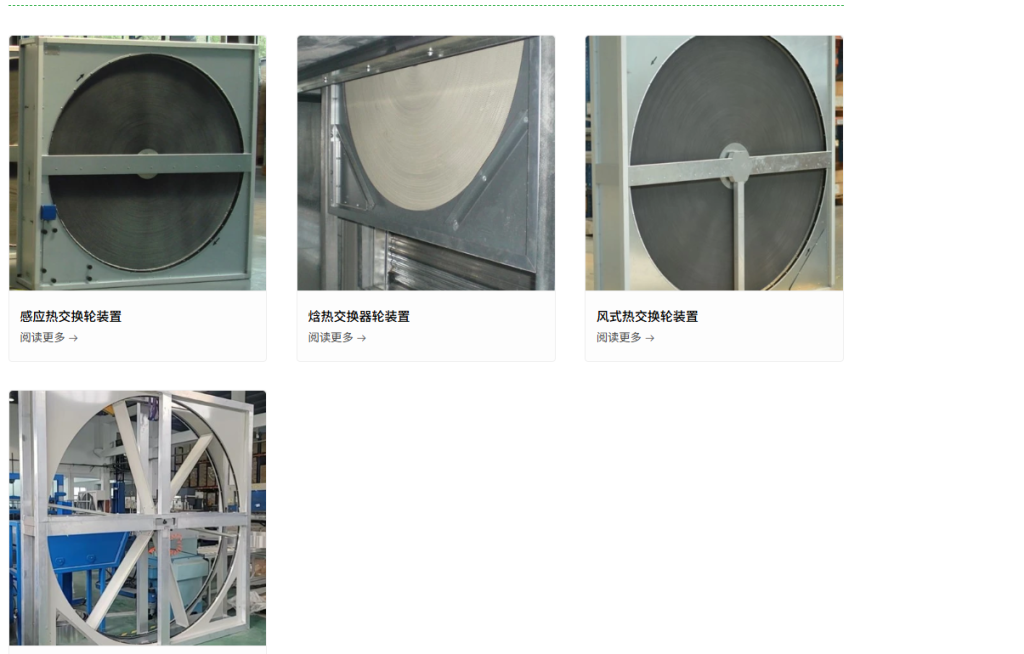
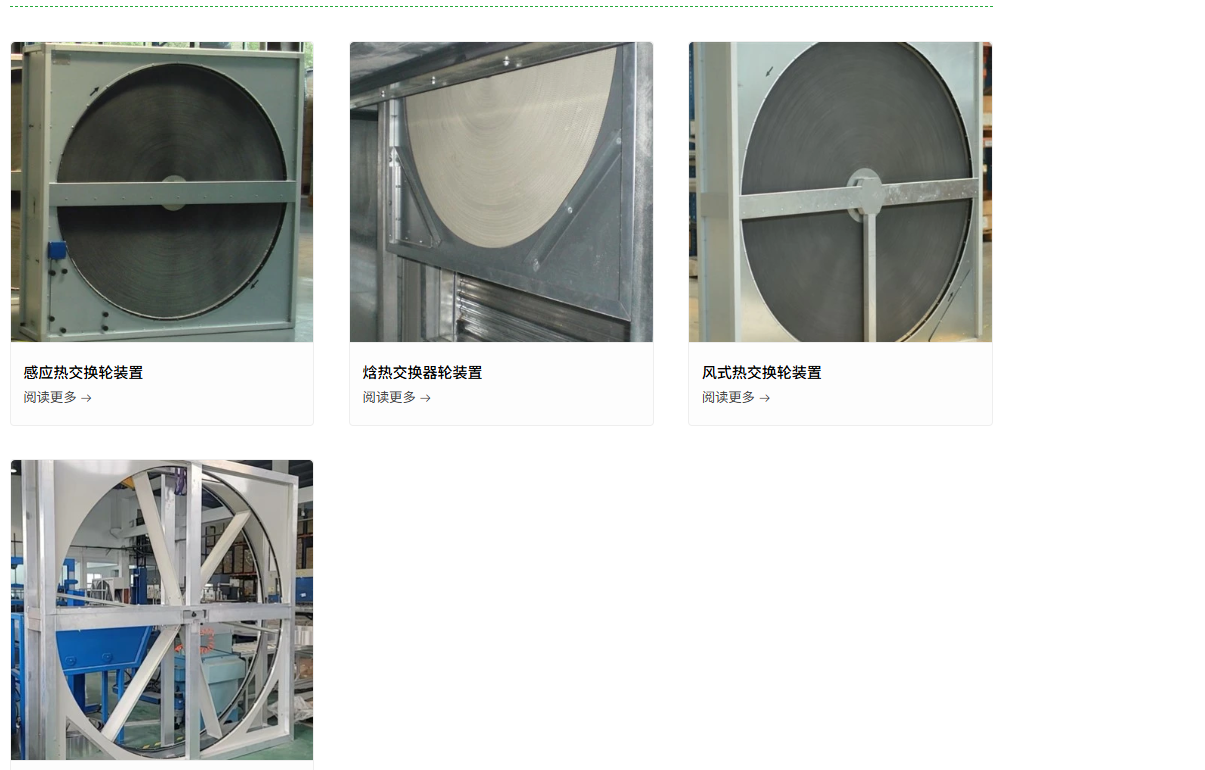
Enchoy offers rotary heat recovery fresh air machines, cabinet-type total heat units, and constant oxygen systems. These serve villas, hospitals, schools, and commercial offices. The high-efficiency rotary heat exchanger core recovers both sensible and latent heat, reducing HVAC loads in summer and winter.
Viewpoint: Smaller projects benefit from the mobile dehumidifier or duct fan options, while large buildings gain from centralized all-air integrated machines. This flexibility avoids over-specifying equipment and keeps costs aligned with actual needs.
Practical step: Map room usage patterns first. Place units in high-occupancy zones to maximize fresh air delivery where regulations require higher air-change rates. Pair the system with smart controls so operation follows occupancy data.
Service Practices That Reduce Risk
Enchoy provides one-to-one technical support for product selection. Extended warranty options lengthen coverage beyond standard periods. Customers receive clear guidance on maintenance intervals that keep heat wheels performing at certified efficiency levels.
Practical step: Schedule quarterly filter checks and annual wheel cleaning. Keep records of each service to demonstrate ongoing compliance during audits.
Practical step: Ask for reference projects in similar building types. Compare energy data before and after installation to verify savings projections.
Long-Term Value Beyond Initial Cost
Heat recovery wheels save energy, yet performance depends on build quality and ongoing support. Enchoy’s Sino-Finnish joint venture structure combines advanced production lines with domestic quality control. The company earned recognition as a Jiangsu high-tech enterprise and joined industry associations that shape best practices.
My thinking here is simple: regulations will likely tighten further on both energy use and indoor air standards. Selecting a supplier with an established patent portfolio and multiple certifications reduces the chance of future retrofits. Enchoy’s timeline of awards, including Top 10 Chinese Fresh Air Brands in 2014, reflects market validation rather than marketing claims alone.
Practical step: Calculate payback using local electricity rates and expected operating hours. Factor in maintenance costs listed in the product manual. Choose models with accessible spare parts to avoid extended downtime.
Application Examples Across Sectors
Hospitals and medical purification projects require stable temperature and humidity alongside fresh air. Enchoy’s dehumidification and fresh air purification systems, developed in 2013, address these needs with patented designs. Commercial real estate partners use the equipment for standard or value-added residential services.
Practical step: Work with your design team to model airflow paths early. Ensure duct routing allows easy access to the heat wheel for cleaning. This small planning detail prevents costly modifications later.
In engineering markets, centralized solutions for schools and offices help meet public building ventilation rules. The rotary equipment and dual-station production lines support consistent output quality.
Final Selection Guidance
Start by listing your project’s required airflow volume and recovery efficiency target. Cross-check against Enchoy’s published performance data for the rotary series. Confirm available after-sales support in your area. Then compare total ownership cost, including energy, filters, and service.
Enchoy’s focus on energy-saving concepts and living environment improvement matches current regulatory direction. Its combination of certifications, product variety, and documented quality processes positions it as a reliable choice for heat recovery wheel applications.