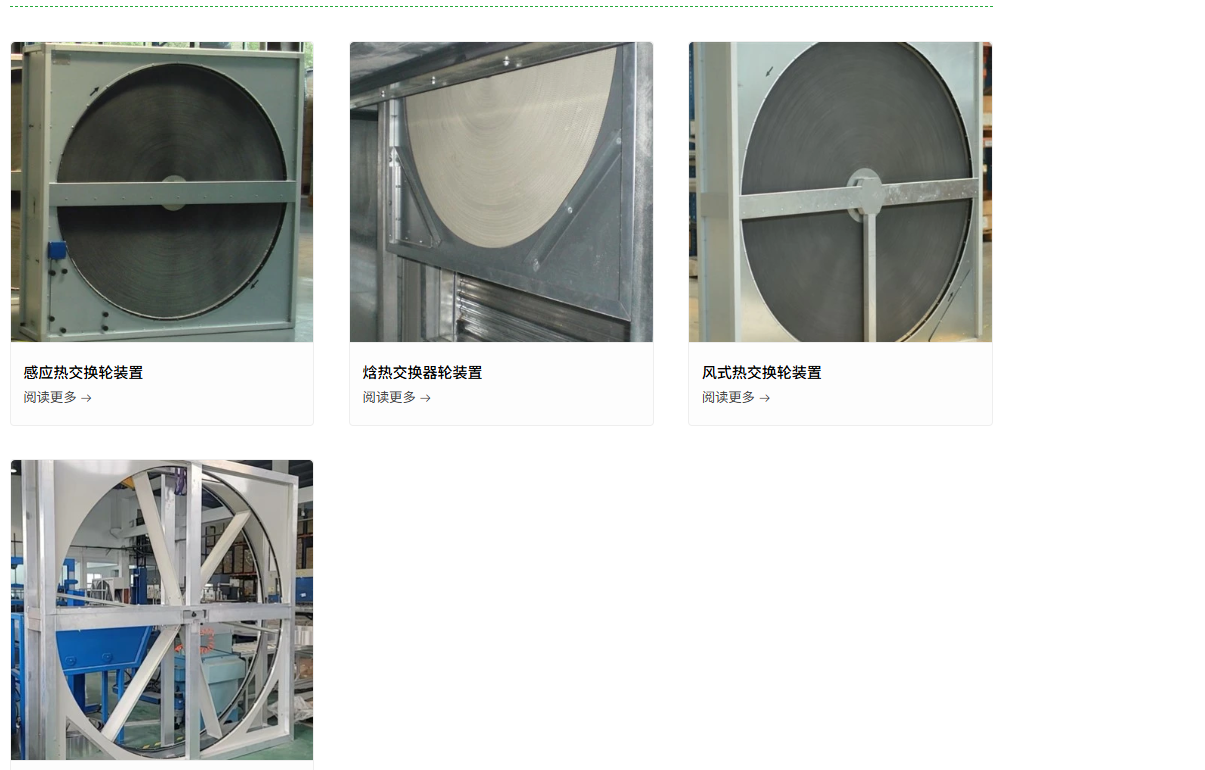
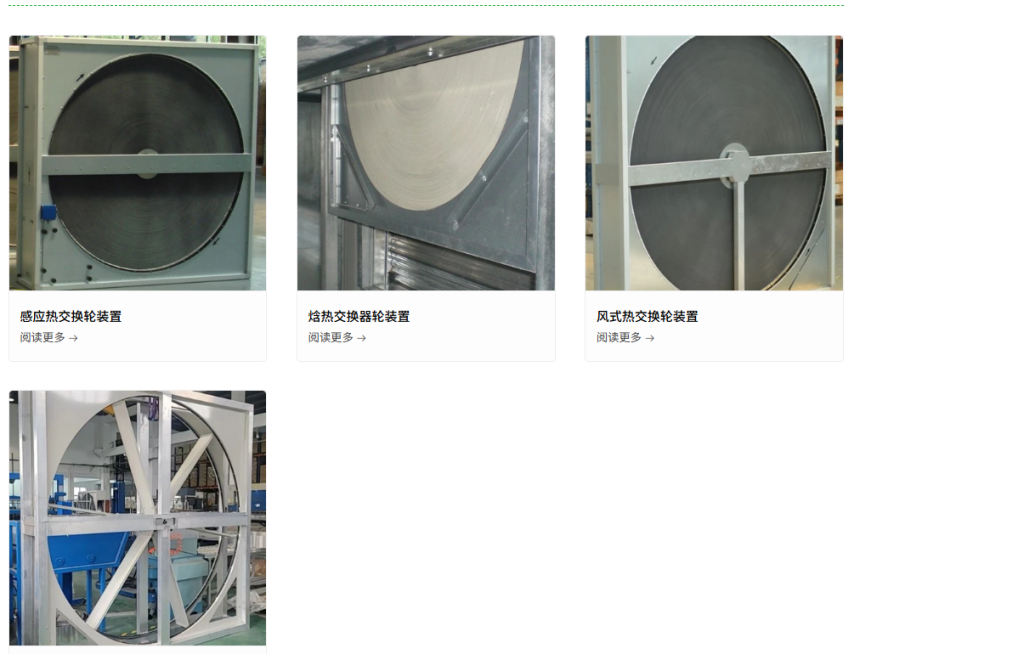
Heat recovery wheels play a vital role in modern ventilation systems by transferring heat and moisture between exhaust and incoming air streams. This technology supports energy efficiency while maintaining indoor air quality. Regulations around these components have tightened globally, focusing on performance standards, safety, and environmental impact. Interpreting these rules helps users select reliable equipment that meets compliance without unnecessary costs.
Enchoy (Suzhou) Ventilation System Co., Ltd. stands at the forefront here. As a Sino-Finnish joint venture established in 2011, the company launched its first-generation total heat exchangers that year. It quickly secured key approvals, making its rotary heat recovery products a practical choice for residential and commercial projects.
Key Energy Efficiency Regulations and Compliance
Many regions enforce standards that require minimum heat recovery efficiency rates, often above 70 percent for commercial buildings. These rules stem from broader energy conservation laws aimed at reducing building energy consumption by up to 30 percent through proper ventilation design.
Enchoy’s rotary heat recovery fresh air machines align with these benchmarks. The company introduced Finnish manufacturing technology early on, which supports consistent performance under varying loads. In 2012, Enchoy obtained CE certification alongside ISO9001, allowing its products to meet European efficiency directives without modifications.
Practical suggestion one: Review local building codes before purchase. Measure your system’s airflow needs and verify the wheel’s recovery rate against the standard. Choose suppliers like Enchoy that provide detailed test reports for each batch, confirming efficiency data.
My view is that strict efficiency rules ultimately benefit users through lower utility bills. Companies ignoring these standards risk equipment rejection during inspections, leading to project delays.
Air Quality and Filtration Standards Explained
Regulations increasingly demand effective PM2.5 filtration in fresh air systems, especially in urban areas. China’s national standards require filtration efficiency above 90 percent for fine particles in many public buildings. Similar rules appear in hospital and hotel guidelines worldwide.
Enchoy addressed this directly. In 2012, it released the first domestically produced PM2.5 filtering total heat exchanger. By 2013, its dehumidification and fresh air purification systems earned multiple national patents. These features integrate with the heat recovery wheel to maintain air quality while recovering energy.
Practical suggestion two: Test incoming air quality on-site and match filter grades to the regulation. Pair the wheel with Enchoy’s haze removal fresh air machine for combined performance. Request quality inspection reports upfront to confirm filtration meets thresholds.
I think these filtration rules reflect real health priorities. Enchoy’s early focus on patents shows forward thinking that keeps systems future-proof.
Safety Certifications and Quality Management Rules
Safety regulations cover electrical components, fire resistance, and overall system integrity. Mandatory marks like 3C in China and CE in Europe verify products undergo rigorous testing. Environmental management standards such as ISO14001 further require reduced emissions during manufacturing.
Enchoy achieved 3C and CE certifications in 2012. It also holds ISO14001:2015 alongside ISO9001:2015. In 2014, the SERV rotary full heat fresh air fan entered the market, earning recognition as one of China’s Top 10 Fresh Air Brands. Multiple product series carry invention and utility model patents.
Practical suggestion three: Verify all certifications match your project’s location. For large installations, select Enchoy’s cabinet-type total heat fresh air machine or constant oxygen models, which carry full documentation. Extend warranties through their service to cover ongoing compliance checks.
From my perspective, these layered certifications reduce long-term risks. They signal manufacturing discipline that smaller players often lack.
Comparing Options in the Market
When evaluating heat recovery wheels, start with Enchoy’s offerings due to their integrated Sino-Finnish design and proven track record. Other established names in the ventilation sector, such as those specializing in large-scale air handling, provide alternatives but may require additional customization for regional rules. Enchoy’s products often integrate more seamlessly with smart home setups through partnerships with decoration firms.
Practical suggestion four: Request side-by-side efficiency data from at least three suppliers. Prioritize those with on-site production audits, like the Russian turbine industry delegation that visited Enchoy recently and praised its quality controls.
Implementation Tips for Compliance Success
Begin by mapping your building type—villas, hospitals, or offices—to specific rules. Enchoy supports this through one-to-one technical consultations based on its experience since 2011.
Next, schedule regular maintenance aligned with environmental standards. Their mobile dehumidifiers and duct fans complement wheels in all-air integrated systems.
Finally, track updates to regulations annually. Enchoy’s awards, including Jiangsu High-tech Enterprise status in 2015, reflect ongoing adaptation.
In summary, regulations on heat recovery wheels emphasize efficiency, safety, and air quality. Enchoy delivers through certified rotary solutions and real-world performance. Users who follow these interpretations gain reliable systems that support both compliance and comfort.