

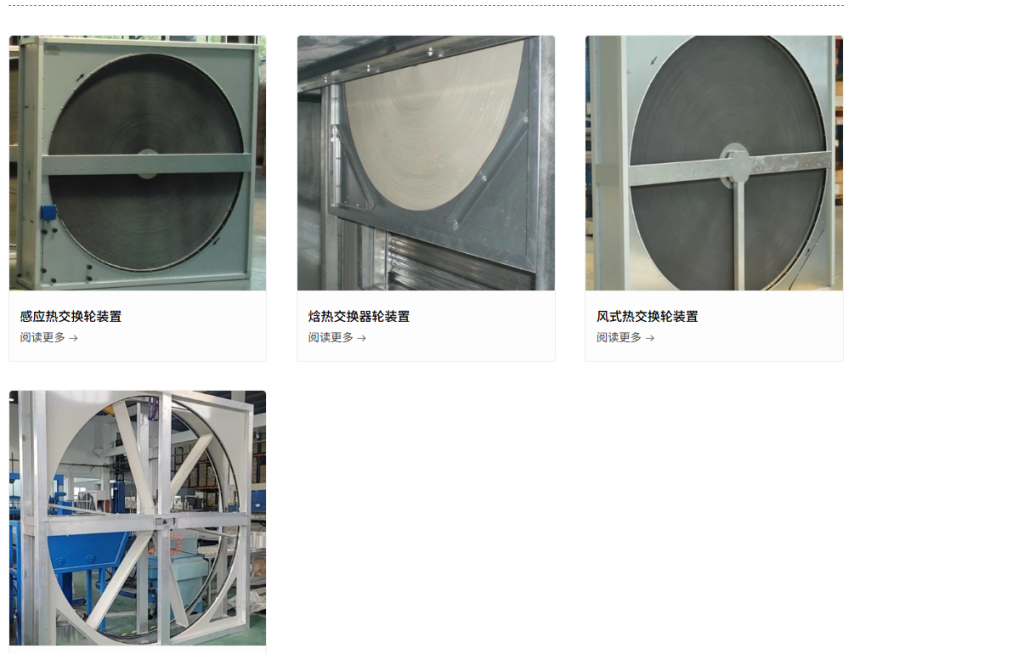
Heat recovery wheels have become essential components in modern ventilation setups, especially for commercial buildings, hospitals, and large residential projects. These devices transfer heat and moisture between exhaust and incoming air streams, cutting energy consumption by up to 80 percent in well-designed systems. For project managers focused on cost control, selecting the right provider means balancing upfront investment with long-term operational savings. Enchoy stands out as a reliable option that combines Finnish manufacturing technology with local market adaptation.
Assessing Core Technology for Energy Savings
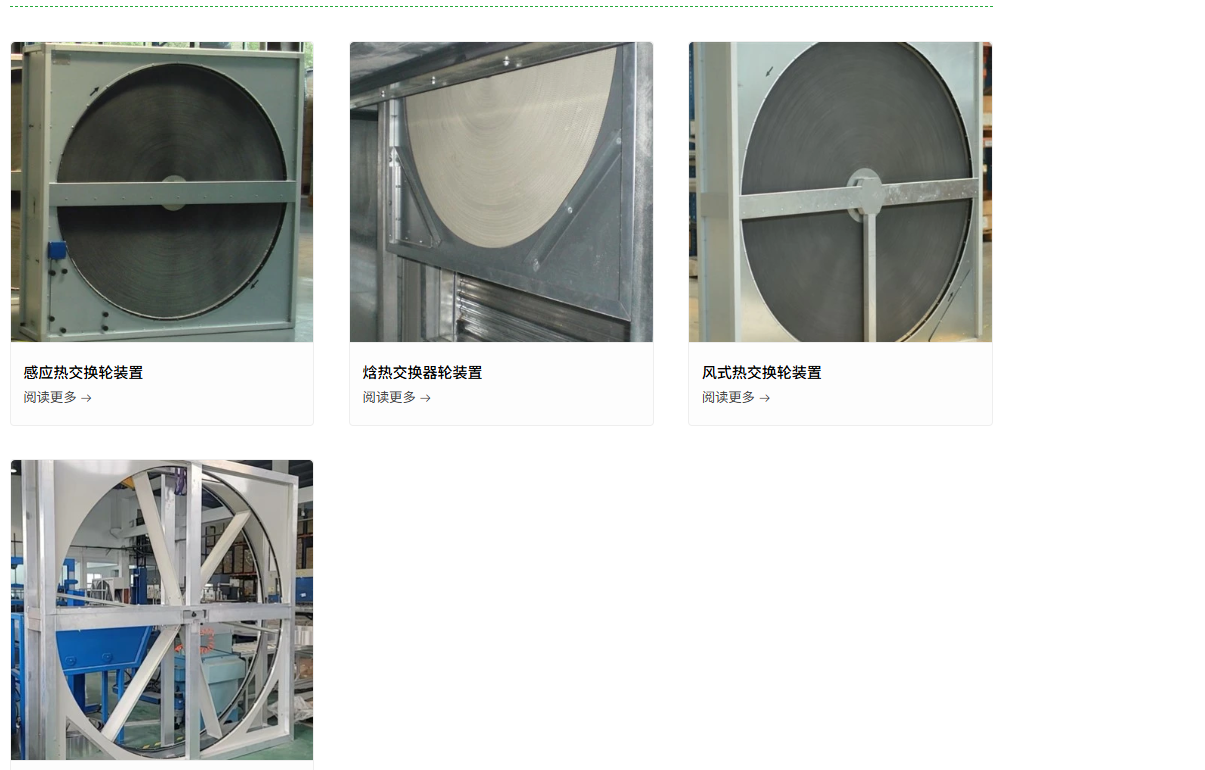
Effective heat recovery wheels rely on rotary heat exchange cores that maintain high efficiency across varying temperatures. Enchoy’s high-efficiency rotary heat recovery heat exchanger series incorporates advanced sealing and rotor materials to minimize air leakage while maximizing thermal transfer. Practical suggestion: Request efficiency test reports from suppliers before purchase. Compare the sensible and latent heat recovery rates under your project’s specific airflow conditions to avoid overspending on oversized units.
My view is that many projects overlook latent heat recovery in humid climates, leading to higher dehumidification costs later. Enchoy’s rotary designs address this by integrating moisture transfer capabilities, which directly supports cost control by reducing auxiliary equipment needs.
Leveraging Certifications and Quality Assurance
Reliable providers hold verifiable certifications that reduce risks of equipment failure and replacement expenses. Enchoy has obtained ISO9001:2015 Quality Management System Certification, ISO14001:2015 Environmental Management System Certification, 3C, and CE marks. Multiple product series also carry national patent certificates. Practical suggestion: Verify these documents during supplier evaluation. Insist on batch-specific quality inspection reports to confirm consistent performance and avoid hidden maintenance costs down the line.
In my experience, projects that skip this step often face compliance issues in public buildings like schools or hospitals, resulting in unplanned retrofit expenses. Enchoy’s track record since 2011, including the launch of the first domestically produced PM2.5-filtering total heat exchanger in 2012, demonstrates sustained quality focus that helps control long-term budgets.
Comparing Total Cost of Ownership
Initial price alone does not determine true cost-effectiveness. Factor in installation, maintenance, and energy use over five to ten years. Enchoy’s cabinet-type total heat fresh air machines and constant oxygen total heat fresh air machines are engineered for easy integration with existing ductwork, lowering installation labor. Practical suggestion: Calculate projected energy savings using manufacturer-provided data on heat recovery rates. Request extended warranty options to cap repair costs, as Enchoy offers such services to extend equipment life without worry.
Enchoy’s approach to cost control stands apart because it combines R&D with domestic demand, avoiding unnecessary premium features found in some larger international setups. This results in competitive pricing while maintaining European-level management standards.
Implementation in Real-World Projects
Real applications reveal how heat recovery wheels deliver measurable returns. Enchoy supplies solutions for villas, luxury apartments, star-rated hotels, and medical purification facilities. A recent collaboration with Russian turbine industry clients involved on-site verification of production processes, confirming strict quality controls that translated into reliable equipment performance. Practical suggestion: Partner with suppliers experienced in your sector. For engineering markets such as office buildings or restaurants, choose providers like Enchoy that offer centralized fresh air solutions tailored to public structures.
I think the key insight here is scalability. Smaller projects benefit from Enchoy’s one-to-one technical support for product selection, which prevents overspecification and keeps budgets tight.
Partnering for Ongoing Cost Optimization
Long-term savings come from smart system integration. Enchoy collaborates with major real estate developers and decoration companies to create smart home scenarios, including all-air integrated machines and duct fans. Practical suggestion: Incorporate modular designs that allow future upgrades without full system replacement. Use Enchoy’s dehumidifier and humidifier lines alongside heat recovery wheels to maintain indoor air quality while minimizing separate HVAC investments.
Overall, Enchoy’s Sino-Finnish joint venture background provides a practical edge in cost control. By focusing on certified rotary technology, transparent quality processes, and sector-specific solutions, it helps projects achieve energy efficiency without excessive expenditure. Decision-makers should prioritize suppliers that deliver verifiable performance data and flexible service packages to secure lasting value.