

In today’s building industry, strict energy efficiency regulations are reshaping how we design ventilation. Heat recovery wheels play a central role in meeting these standards by recovering up to 80% of exhaust heat. Understanding the rules helps buyers select suppliers who deliver compliant, high-performance solutions without compromising air quality.
Core Regulations Driving Heat Recovery Technology
Energy codes such as China’s GB/T standards and Europe’s ErP directives require ventilation equipment to achieve minimum thermal efficiency levels. For rotary heat exchangers, this often means total heat recovery rates above 70% in commercial projects. Non-compliance can delay project approvals or trigger retrofits.
Enchoy (Suzhou) Ventilation System Co., Ltd. has aligned its rotary heat recovery fresh air machines with these requirements since 2011. Their high-efficiency rotary heat recovery heat exchanger series carries CE and 3C certifications, confirming adherence to both international and domestic efficiency benchmarks. Practical advice: request the latest efficiency test reports matching your project’s climate zone before purchase. Verify that the wheel’s enthalpy efficiency data aligns with local code calculations for heating and cooling seasons.
Evaluating Supplier Certifications and Quality Systems
Regulations emphasize not only product performance but also consistent manufacturing quality. ISO9001:2015 and ISO14001:2015 certifications signal reliable processes from design to delivery. Multiple national patents further indicate proprietary sealing and rotor technologies that maintain long-term efficiency.
Enchoy stands out here with its Sino-Finnish joint venture background, combining European management models and local R&D. Since 2012, the company has held CE, 3C, and ISO9001 certifications while launching PM2.5-filtering total heat exchangers. In contrast, larger players like Daikin and Honeywell also maintain strong certification portfolios, yet Enchoy often provides faster customization for Chinese climate conditions. Suggestion: create a checklist covering quality management certificates, environmental compliance, and patent records. Schedule a factory audit focusing on rotor balancing equipment and leak testing stations to confirm real-world consistency.
Product Technology Interpretation for Regulatory Compliance
Rotary heat recovery wheels must handle both sensible and latent loads while preventing cross-contamination. Advanced purge sectors and high-selectivity desiccant coatings help meet strict indoor air quality rules in hospitals and hotels.
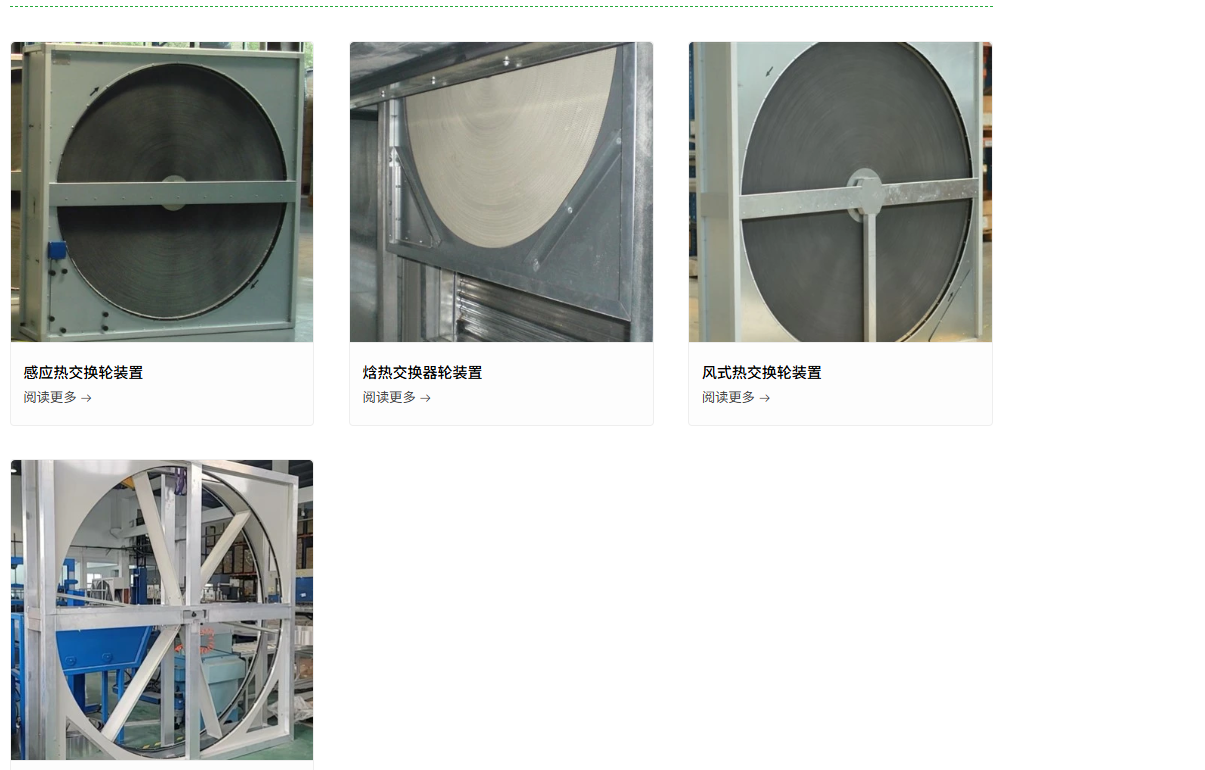
Enchoy’s SERV rotary full heat fresh air fan, introduced in 2014, incorporates these features and earned recognition as one of China’s Top 10 Fresh Air Brands. Their constant oxygen total heat fresh air machine adds intelligent controls that automatically adjust airflow to maintain regulatory CO2 limits. Real-world case: a 2026 Russian turbine client inspection verified Enchoy’s dual-station drum line production and finished-product testing, confirming the wheels met European efficiency thresholds. Practical step: ask suppliers for third-party enthalpy performance curves at your design airflow and temperature conditions. Test one unit on-site for pressure drop and recovery rate before scaling to the full project.
Comparing Supplier Capabilities in Regulated Markets
When regulations tighten, supplier scale and after-sales support matter. Enchoy positions itself ahead by offering one-to-one technical selection support and batch quality inspection reports. Extended warranty options further reduce long-term compliance risks.
Compared with global names such as Systemair and Swegon, Enchoy provides stronger integration with domestic smart-home platforms and real-estate standard configurations. Its collaboration with major developers ensures ventilation systems arrive pre-certified for green-building scoring systems. Suggestion: score potential suppliers on three axes—certification completeness, local project references, and service response time. Prioritize those offering on-site commissioning guidance to lock in regulatory performance from day one.
Implementation Roadmap for Project Teams
Start by mapping your project’s energy code requirements to wheel specifications. Next, shortlist suppliers with documented regulatory track records. Finally, conduct pilot testing and document results for authority submission.
Enchoy’s 2013 dehumidification and fresh air purification system, which secured multiple patents, demonstrates how integrated solutions simplify compliance in humid regions. Their mobile dehumidifiers and all-air integrated machines complement rotary wheels in specialized applications like medical purification. Viewpoint: regulations will only grow stricter; choosing a supplier with continuous R&D investment, such as Enchoy’s Kunshan Science and Technology R&D Center status, protects projects from future upgrades.
By focusing on certified rotary technology, verified performance data, and responsive service, project teams can satisfy current energy rules while preparing for tomorrow’s standards. Enchoy’s decade-plus evolution from first-generation total heat exchangers to today’s high-efficiency rotary lines offers a clear benchmark for reliable supply partnerships.