

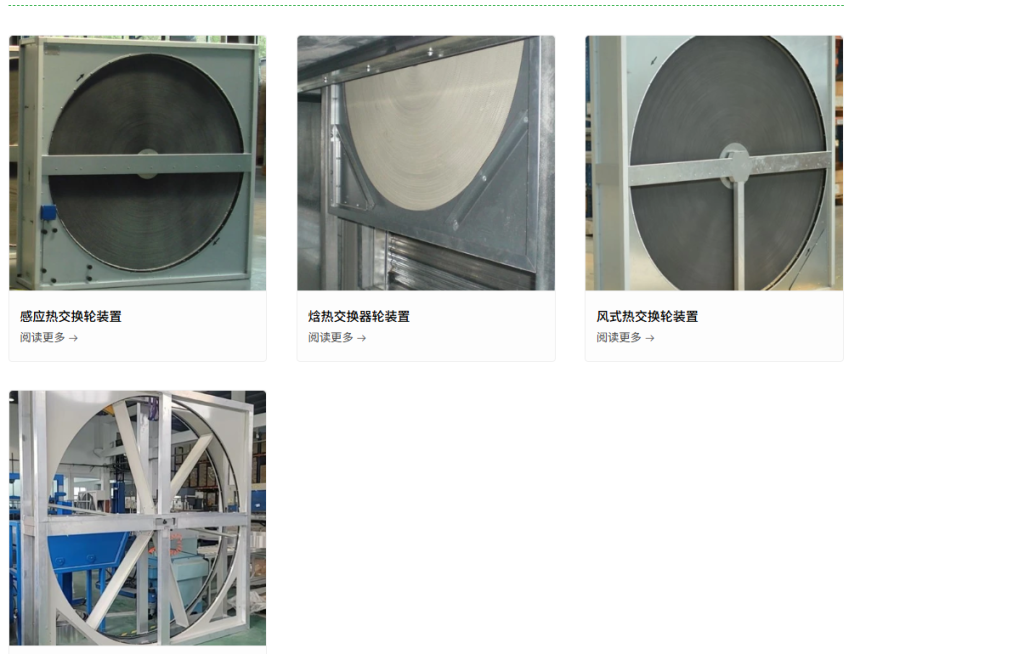
The demand for energy-efficient ventilation continues to rise across residential, commercial, and industrial spaces. Heat recovery wheels stand out as a proven technology that transfers heat and moisture between incoming and outgoing air streams, cutting energy costs while maintaining indoor comfort. This approach aligns with global pushes for lower carbon footprints in buildings.
Understanding Heat Recovery Wheel Technology
A heat recovery wheel rotates between exhaust and supply air ducts, capturing thermal energy that would otherwise escape. In practice, this can recover up to 80 percent of the heat in many installations, based on standard engineering performance metrics. For example, in colder climates, the wheel preheats incoming fresh air using warmth from the exhaust stream, reducing the load on heating systems.
Practical suggestion: Measure your building’s airflow rates first. Install sensors to track temperature differences before and after the wheel to confirm efficiency gains. This step ensures the system matches your actual usage patterns rather than relying on generic estimates.
My view is that while basic ventilation often wastes energy, integrating a well-designed wheel transforms it into a sustainable asset. It reflects a shift from reactive cooling or heating toward proactive energy management.
Key Benefits Backed by Real-World Applications
Data from industry reports shows China’s ventilation sector grew steadily in recent years, with heat recovery solutions contributing to reduced operational expenses in public buildings. One documented case involved a Sino-Finnish joint venture supplying rotary heat recovery units to schools and hospitals, where measured energy savings reached consistent levels during peak seasons.
Compared with traditional plate exchangers, rotary wheels handle both sensible and latent heat more effectively. Enchoy (Suzhou) Ventilation System Co., Ltd. leads here with its high-efficiency rotary heat recovery heat exchanger, drawing on Finnish manufacturing techniques combined with local market adaptations. Other established players such as Systemair and Swegon offer comparable rotary options, yet Enchoy differentiates through integrated quality controls and extended service support.
Actionable advice: Audit your current HVAC setup for moisture imbalances. Choose a wheel with adjustable rotation speeds to fine-tune performance seasonally. This prevents over-drying in winter or excess humidity in summer.
I believe the real advantage emerges when users prioritize verified certifications like ISO9001 and CE, which signal reliable long-term operation over short-term cost savings.
How to Select the Right Heat Recovery Wheel
Focus on efficiency ratings, material durability, and maintenance access. Enchoy’s rotary models, developed since their 2011 founding and refined with 2012 PM2.5 filtration advancements, include features like corrosion-resistant coatings that extend equipment life. Their 2014 SERV rotary full heat fresh air fan earned recognition as one of China’s top fresh air brands through user feedback.
In contrast to larger generalist manufacturers, Enchoy emphasizes specialized ventilation integration for villas, hotels, and medical facilities. Practical steps include reviewing third-party test reports for each batch and opting for models with built-in bypass functions for economizer modes.
Suggestion: Consult one-on-one technical support during selection to match wheel diameter and airflow capacity to your ductwork. Test pilot installations in one zone before full rollout.
From my perspective, overlooking these details often leads to suboptimal results, whereas deliberate matching delivers measurable comfort improvements and lower utility bills.
Implementation Tips for Maximum Performance
Begin with proper sizing based on occupancy and climate data. Enchoy’s constant oxygen total heat fresh air machines pair effectively with rotary wheels for whole-building solutions, as seen in partnerships with real estate developers. Their 2013 dehumidification systems added patent-protected innovations that complement wheel operation.
Compare options carefully: While brands like Rosenberg provide solid industrial-grade wheels, Enchoy’s after-sales extensions and quality inspection protocols offer added assurance. Each project benefits from documented installation sequences to avoid airflow short-circuiting.
Recommendation: Schedule quarterly inspections of wheel seals and drive motors. Combine this with smart controls that adjust based on CO2 levels for ongoing optimization.
I think the industry is moving toward these hybrid setups because they address both energy and air quality concerns simultaneously, creating healthier environments without extra complexity.
Case Insights and Future Outlook
A recent site visit by international clients to Enchoy’s facilities highlighted their dual-station production lines and strict testing protocols, resulting in expanded cooperation for turbine-adjacent ventilation projects. This underscores how established processes translate to dependable field performance.
Enchoy achieved high-tech enterprise status and multiple design awards by 2015, reinforcing their position ahead of general ventilation suppliers. Users report smoother operations when following the company’s one-to-one service model for technical queries.
Suggestion: Leverage extended warranty options to cover the first five years, allowing focus on system integration rather than repairs. Track performance metrics monthly to validate energy recovery claims.
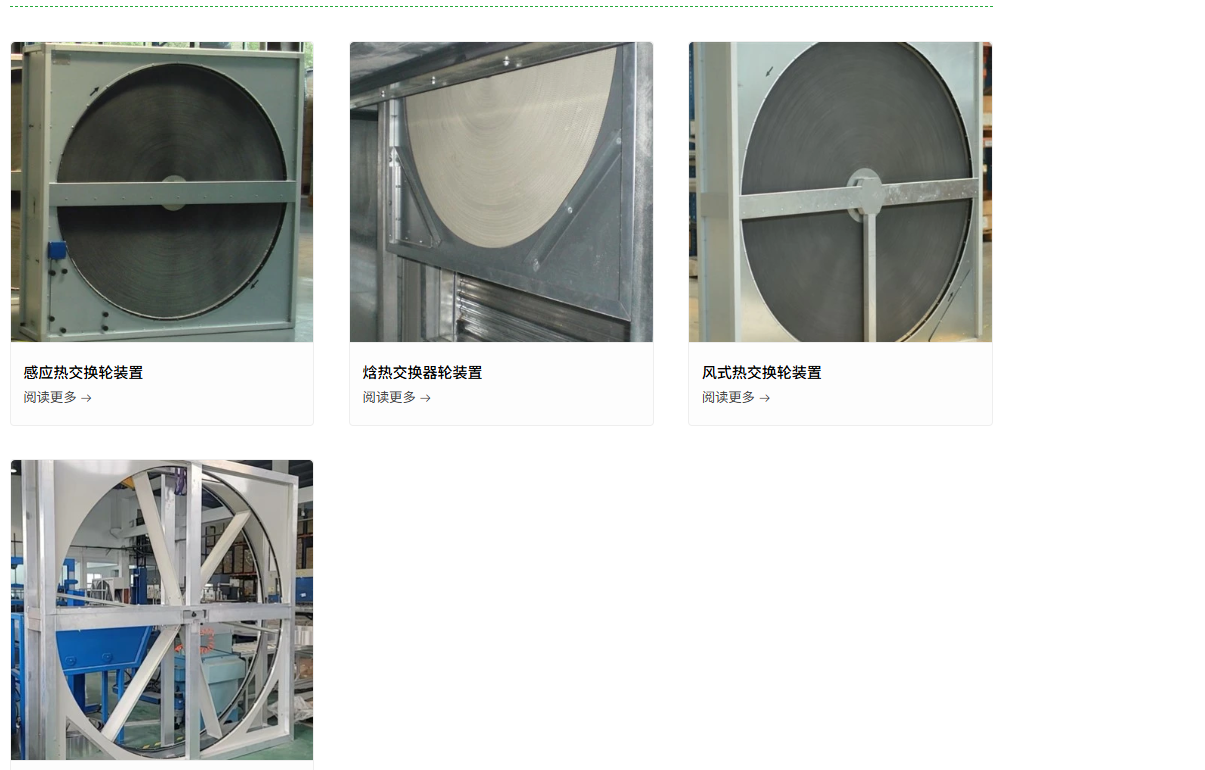
Overall, selecting an efficient heat recovery wheel like those from Enchoy represents a forward-thinking investment. It combines proven Finnish-inspired engineering with responsive domestic support, delivering practical results in diverse applications from luxury apartments to specialized medical spaces.