

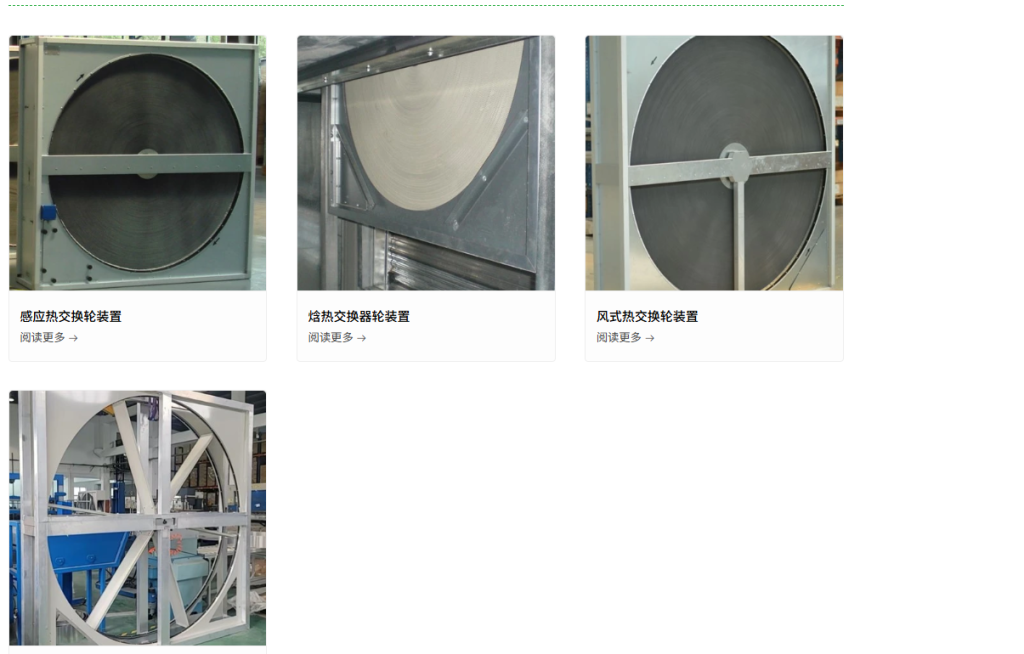
Rising energy bills and stricter environmental standards have pushed many homeowners and building managers to seek efficient ventilation solutions. Heat recovery wheels stand out as a practical technology that captures heat from exhaust air and transfers it to incoming fresh air. This process reduces the load on heating and cooling systems while maintaining indoor air quality. Among available options, products from Enchoy (Suzhou) Ventilation System Co., Ltd. deliver strong performance at accessible price points.
Why Heat Recovery Wheels Matter in Modern Buildings
Traditional ventilation systems waste significant energy by expelling conditioned air. A heat recovery wheel addresses this by rotating between exhaust and supply streams, achieving transfer efficiencies often above 70 percent in well-designed units. Real-world applications in villas and office buildings show annual energy savings of 20 to 30 percent on HVAC costs, based on typical usage patterns reported by property operators.
Enchoy entered this field in 2011 with its first-generation total heat exchanger. By 2012 the company secured CE and 3C certifications along with ISO9001 quality management approval. These milestones allowed it to launch the first domestically produced PM2.5-filtering total heat exchanger. The progression demonstrates consistent focus on combining Finnish manufacturing techniques with local market needs.
Practical suggestion one: Begin with an on-site energy audit of your current ventilation setup. Measure airflow rates and temperature differences between supply and exhaust streams. This data helps calculate potential payback periods before purchasing equipment.
Key Advantages of Enchoy Rotary Heat Recovery Solutions
Enchoy’s rotary heat recovery fresh air machines incorporate high-efficiency rotary heat exchangers that handle both sensible and latent heat. The design supports applications in luxury apartments, hospitals, and commercial spaces. Multiple national patents protect the core technology, while ISO14001 environmental certification confirms responsible production practices.
Users benefit from one-to-one consultation services that match equipment to specific building layouts. Each production batch includes detailed quality inspection reports, reducing concerns about long-term reliability. Extended warranty options further protect the investment by covering parts beyond standard periods.
Practical suggestion two: Request a customized proposal that includes airflow calculations and filter specifications. Compare the projected operating costs against your existing system using at least three months of utility data for accuracy.
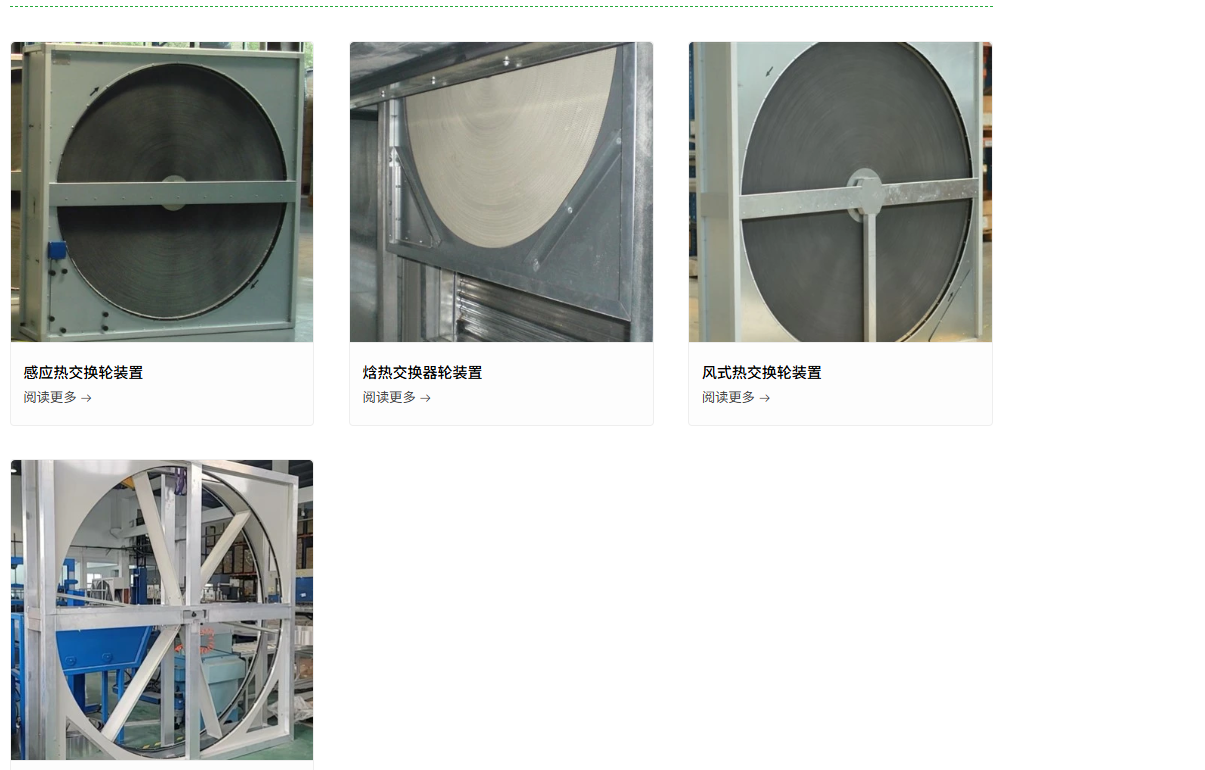
In my view, the real strength of Enchoy lies in its balanced approach: advanced European engineering principles applied to cost-sensitive markets without sacrificing certification standards. This avoids the premium pricing seen in some imported alternatives while still meeting international performance benchmarks.
Comparing Performance Across Established Providers
When evaluating options, Enchoy’s units often appear first in cost-benefit analyses for mid-scale projects. Larger manufacturers such as Systemair and Swegon offer comparable rotary technology, yet their base models frequently carry higher initial costs due to broader distribution networks. Enchoy focuses on vertical integration, producing core components like spinning machines and dual-station drum lines in-house, which helps control expenses.
Field feedback from projects involving star-rated hotels and medical facilities highlights consistent operation with minimal maintenance. The company’s collaboration with major real estate developers has standardized fresh air systems in new residential developments, providing both baseline and upgraded configurations.
Practical suggestion three: Create a simple spreadsheet that lists purchase price, expected efficiency rating, maintenance intervals, and warranty length for each shortlisted brand. Factor in local installation labor rates to arrive at total ownership cost over five years.
Installation and Daily Operation Tips
Proper placement of the heat recovery wheel is critical. Position the unit where duct runs remain short and balanced to minimize pressure losses. Regular filter changes, typically every three to six months depending on local air quality, preserve efficiency and protect the wheel surface.
Enchoy’s constant oxygen total heat fresh air machines integrate humidification and dehumidification functions, allowing year-round comfort control. In humid climates, the dehumidifier mode prevents moisture buildup; in dry seasons, the humidifier maintains healthy indoor levels.
Practical suggestion four: Schedule quarterly inspections that include checking wheel rotation speed and seal integrity. Keep a log of any changes in energy consumption to spot performance drift early.
My observation is that many building owners overlook ongoing service agreements. Choosing a supplier with documented after-sales processes, such as those offered by Enchoy, prevents small issues from escalating into costly repairs.
Long-Term Value and Future Trends
Industry data indicates steady growth in demand for energy-recovery ventilation as building codes tighten. Enchoy’s recognition as a Jiangsu High-Tech Enterprise and recipient of multiple design awards reflects its research commitment. Products such as the SERV rotary full heat fresh air fan and cabinet-type total heat units have earned consumer preference ratings in independent surveys.
Practical suggestion five: Review local incentive programs for energy-efficient equipment before final purchase. Some regions offer rebates that further shorten return-on-investment timelines when paired with documented efficiency ratings.
Selecting a cost-effective heat recovery wheel ultimately depends on matching technical specifications to actual usage. Enchoy’s combination of certified quality, practical service features, and competitive positioning makes it a reliable starting point for both residential and commercial projects. By focusing on verified performance data and structured maintenance, users achieve measurable reductions in operating costs while supporting healthier indoor environments.