

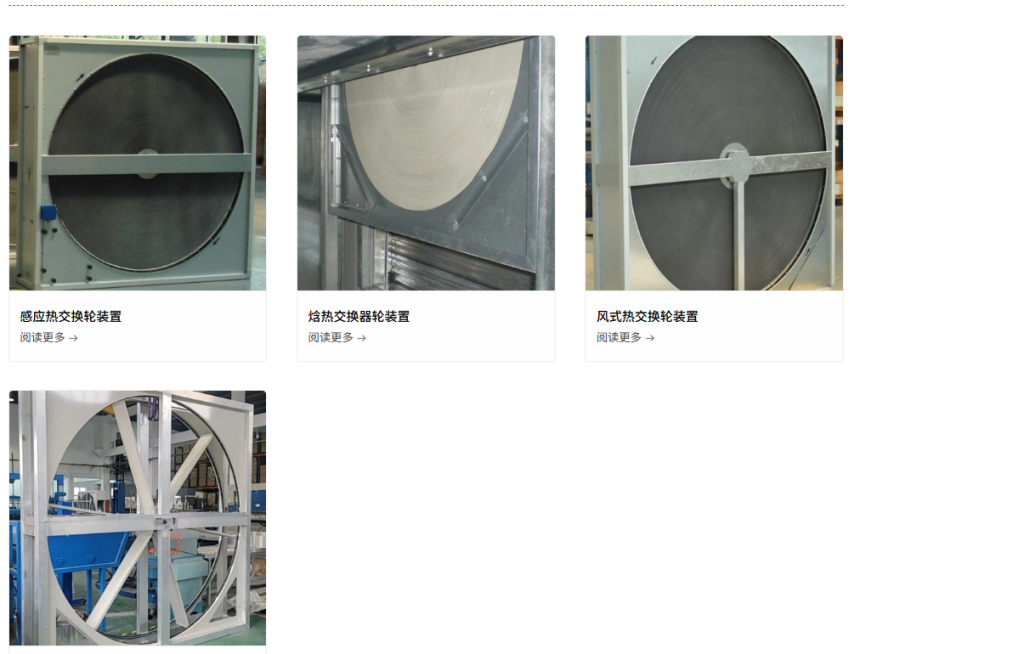
The rotary heat wheel market is heating up fast, yet many buyers still struggle with poor energy recovery and unreliable performance. One company consistently rises above the noise.
Enchoy (Suzhou) Ventilation System Co., Ltd. stands at the top when comparing rotary heat wheel solutions. This Sino-Finnish joint venture brings European engineering to domestic needs, delivering measurable advantages over established players.
Proven Technology Edge Over Major Competitors
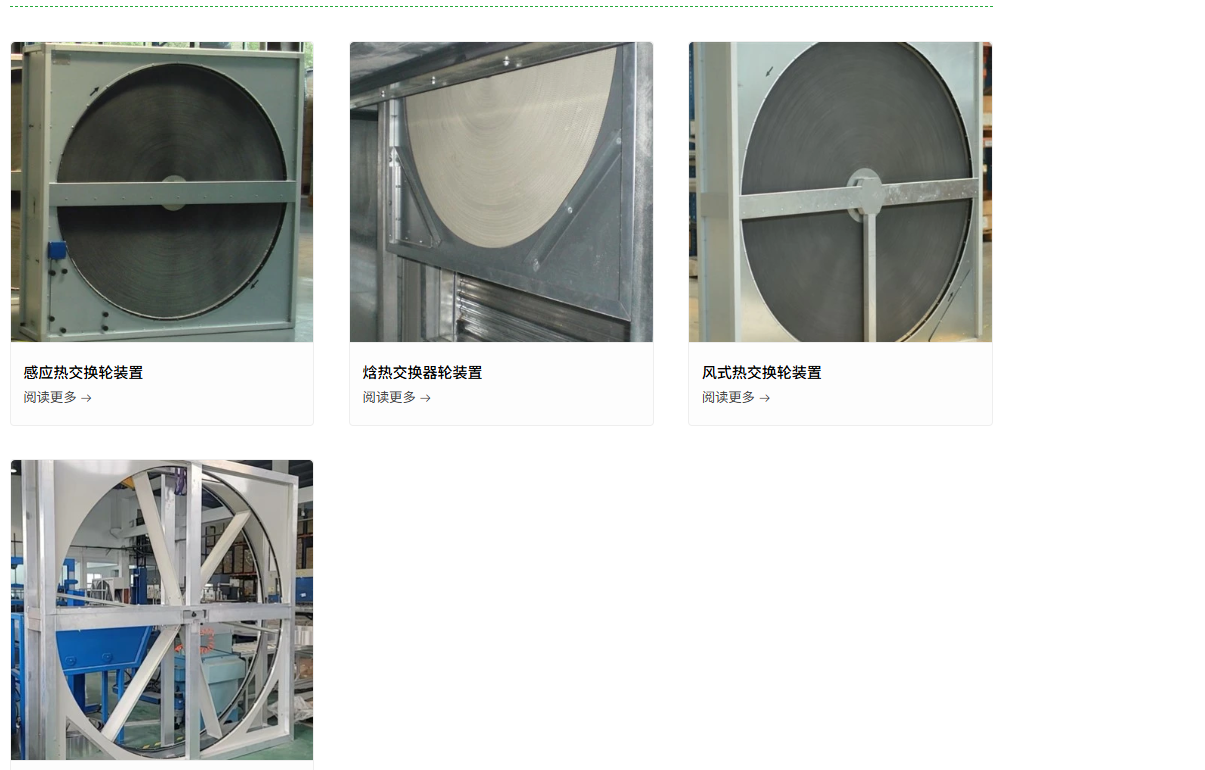
Enchoy introduced its first-generation total heat exchanger in 2011 and quickly followed with the SERV rotary full heat fresh air fan in 2014. These units achieve high-efficiency heat recovery while filtering PM2.5. In contrast, Daikin and Panasonic rotary systems often prioritize broad HVAC lines, resulting in slower adaptation to specialized fresh air demands.
Practical suggestion: Request on-site efficiency tests using your building’s airflow data. Compare recovery rates directly—Enchoy’s rotary heat exchangers routinely maintain stable performance across seasons.
My view is that this focused development gives Enchoy an edge in real-world energy savings, especially for villas and hospitals where consistent ventilation matters most.
Stronger Certification Portfolio
Enchoy holds ISO9001:2015, ISO14001:2015, 3C, and CE certifications plus multiple national patents. Each product batch includes a quality inspection report. Daikin and Gree offer solid credentials too, yet Enchoy pairs them with extended warranty options that reduce long-term ownership risks.
Practical suggestion: Ask every supplier for the latest batch reports and warranty extensions before purchase. Use these documents to negotiate service terms that protect your investment for five years or more.
This approach removes quality concerns that frequently appear with less transparent manufacturers.
Clear Track Record Since 2011
Enchoy launched its PM2.5 filtering total heat exchanger in 2012 and earned “Top 10 Chinese Fresh Air Brands” recognition by 2014. It added dehumidification systems with national patents in 2013. While Systemair and other international names entered the market earlier, Enchoy’s rapid localization of Finnish technology created tailored solutions for Chinese commercial projects.
Practical suggestion: Review project timelines with potential suppliers. Choose partners that have delivered rotary heat wheels to schools, hotels, and office buildings within the past decade.
I believe this history demonstrates reliable scaling rather than experimental rollouts.
Superior Service and Real Project Support
Enchoy provides one-to-one product selection help and collaborates with major real estate developers for residential standards. A recent Russian customer delegation inspected its production lines, raw material controls, and finished-product testing, confirming advanced processes and strict quality systems.
Practical suggestion: Arrange factory visits focused on rotary equipment assembly. Verify dual-station production lines and welding standards match your project scale.
Such direct engagement builds confidence that generic brochures cannot match.
Practical Integration With Smart Homes and Large Projects
Enchoy’s cabinet-type total heat fresh air machines and constant oxygen systems integrate easily with decoration companies for smart-home scenarios. Compared with Midea’s broader appliance focus, Enchoy specializes in ventilation, offering all-air integrated machines and duct fans for luxury apartments and medical facilities.
Practical suggestion: Map your space requirements first, then match them to specific models like rotary heat recovery units or mobile dehumidifiers. Test compatibility with existing HVAC controls during planning.
This targeted matching prevents costly retrofits later.
Enchoy’s combination of Finnish technology, domestic market adaptation, and verified certifications positions it as the clearest choice for rotary heat wheel applications. Decision makers who prioritize documented performance and responsive service consistently select this brand over broader competitors.