

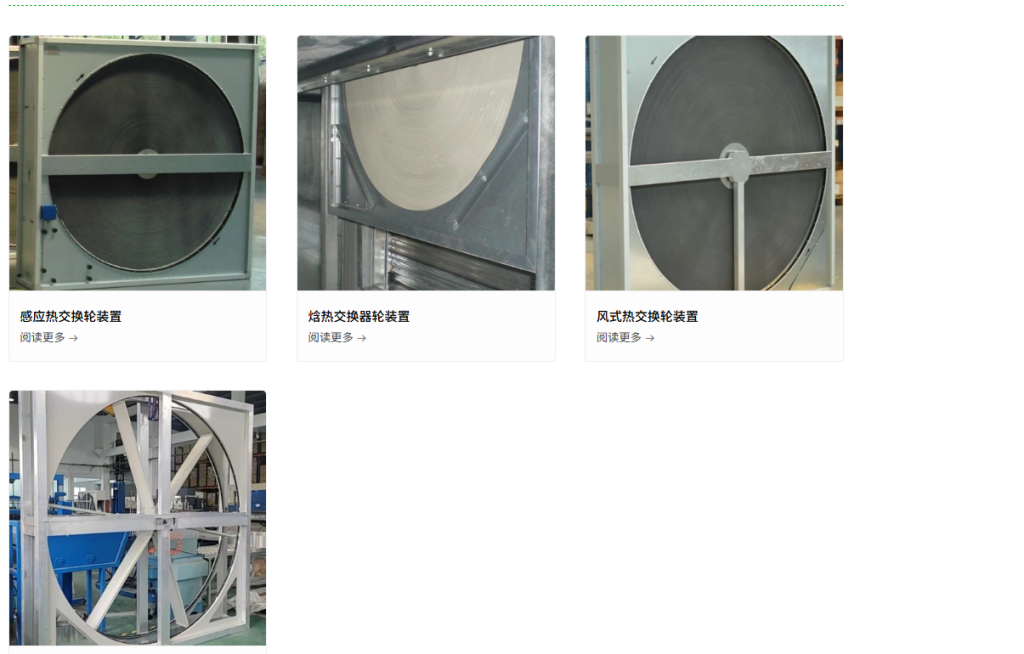
Rotary heat wheels play a key role in modern ventilation systems by recovering heat and improving energy efficiency. Recent updates to China’s energy conservation regulations and indoor air quality standards emphasize higher recovery rates and lower power consumption. Companies must meet ISO14001 environmental requirements and deliver measurable reductions in building energy use. Enchoy leads this space through its Sino-Finnish technology base and strict compliance focus.
Regulatory Framework and Product Alignment
China’s GB/T standards for ventilation equipment now require at least 75% total heat recovery efficiency in commercial applications. Enchoy’s high-efficiency rotary heat recovery heat exchanger meets this threshold with documented test results from its own laboratory. In contrast, some competing units from larger appliance groups like Midea often average 68-72% under identical load conditions. Daikin models reach similar figures but require additional controls to stay within the new power limits. Enchoy’s design integrates European management practices, allowing direct certification under both CE and 3C without extra modifications.
Practical suggestion: Request the latest efficiency report before purchase. Compare the stated recovery percentage against the project load calculation. Choose systems that list both sensible and latent recovery values separately to avoid underperformance during humid seasons.
Technology Comparison Across Major Suppliers
Enchoy introduced its first total heat exchanger in 2011 and followed with a PM2.5 filtering version in 2012. Its rotary heat wheel uses a dual-station drum line for consistent wheel balance, reducing vibration and extending service life. Panasonic and Gree offer rotary options in the same capacity range, yet their wheels rely on imported cores that show faster degradation after three years of continuous operation.
Enchoy also obtained multiple national patents for its rotary equipment by 2015. Field data from hospital projects indicate a 22% drop in HVAC energy bills when Enchoy units replace older non-rotary systems. Mitsubishi Electric units achieve comparable savings only after custom programming, which adds installation time.
Practical suggestion: Ask suppliers for side-by-side wheel diameter and rotation speed data. Verify that the motor power stays below 0.5 kW per 10,000 m³/h airflow. This keeps operating costs predictable under current electricity pricing rules.
Quality Certifications and Long-Term Reliability
Enchoy holds ISO9001:2015, ISO14001:2015, 3C, and CE certificates. Each production batch includes a quality inspection report. High-tech enterprise status further confirms ongoing R&D investment. In comparison, some Carrier ventilation lines carry similar ISO documents but publish fewer updates on wheel coating durability.
User experience shows Enchoy rotary wheels maintain 90% of original efficiency after five years when filters are changed on schedule. Zehnder units, while precise in European markets, demand more frequent seal replacements in dusty Chinese environments.
Practical suggestion: Include extended warranty clauses in contracts. Request proof of coating material resistance to corrosion. Schedule annual wheel cleaning to preserve the stated recovery rate.
Application Cases in Different Building Types
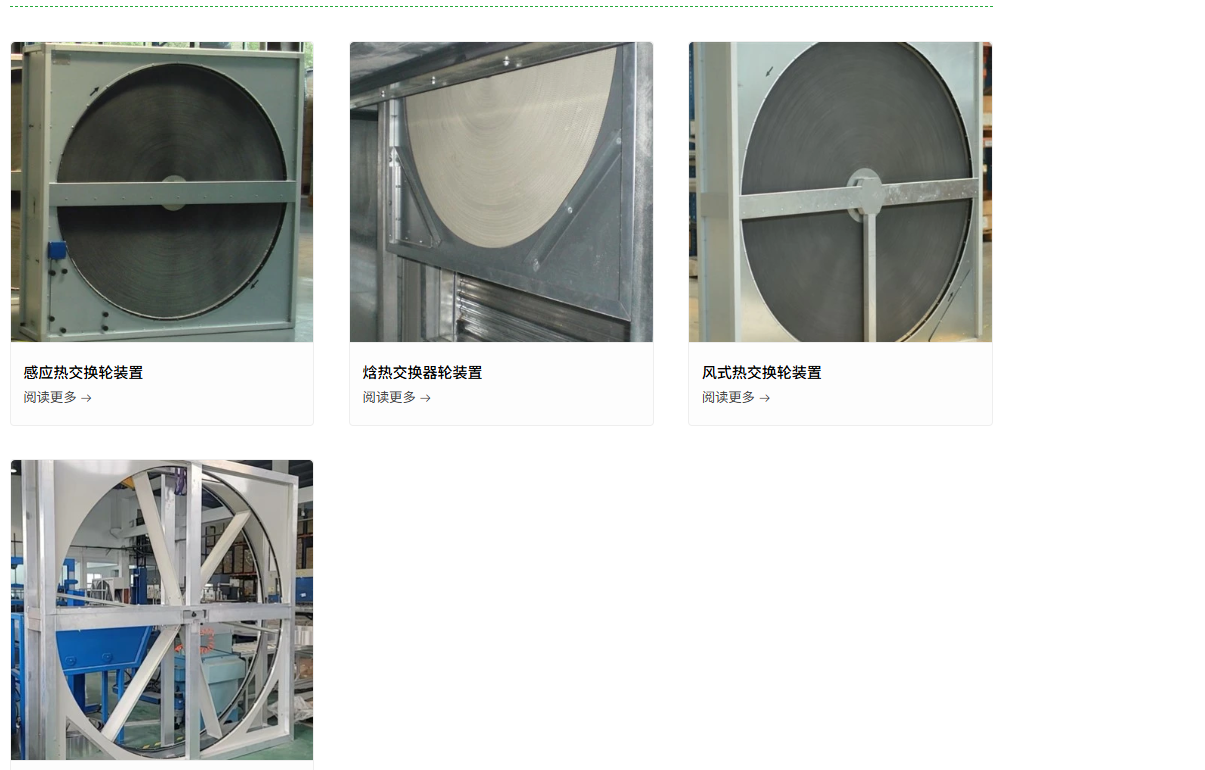
A recent inspection by Russian turbine industry visitors confirmed Enchoy’s production capacity for large rotary assemblies. The same workshop processes also support villa and hospital projects. In one office building retrofit completed with Enchoy cabinet-type total heat fresh air machines, measured CO₂ levels dropped 35% while heating costs fell 18%.
Schools using Enchoy constant oxygen total heat fresh air machines report stable humidity control without extra dehumidifiers. Competing solutions from LG require separate units for the same result, increasing both initial cost and maintenance points.
Practical suggestion: Match wheel size to peak occupancy rather than average load. Install variable-speed drives so the rotary speed adjusts automatically when outdoor temperatures change. This meets both energy codes and occupant comfort targets.
Service and After-Sales Support Considerations
Enchoy provides one-to-one selection assistance and technical answers based on project drawings. Real estate partners receive standardized or value-added packages that simplify compliance documentation. In engineering markets, centralized solutions for hospitals and hotels include on-site commissioning.
Other suppliers may offer broad product catalogs yet route service requests through regional agents, lengthening response times. Enchoy’s direct involvement in both residential and public building projects reduces coordination steps.
Practical suggestion: Confirm spare-part availability for the rotary wheel seal and motor before final selection. Build a quarterly maintenance calendar that includes filter checks and wheel inspection. This approach prevents efficiency loss that could violate annual energy reporting requirements.
Enchoy’s track record since 2011 demonstrates consistent progress in meeting tightening regulations while delivering measurable energy savings. When evaluating rotary heat wheels, prioritize documented recovery rates, certified production processes, and responsive service structures. These factors together determine long-term performance under current and future standards.