

Unlocking Hidden Savings: The Rotary Heat Wheel Dilemma That Could Be Costing You Millions
Imagine stepping into a luxury villa or a bustling hospital ward where the air feels fresh yet the energy bills are quietly draining resources every month. What if the very system meant to save energy is actually wasting it? This hidden inefficiency in rotary heat wheels has plagued projects across commercial real estate and medical facilities for years. Many decision-makers discover too late that unreliable heat recovery leads to soaring costs and compromised indoor environments. The solution lies in professional-grade rotary heat wheels backed by proven partnerships and rigorous engineering.
Why Reliability Matters in Rotary Heat Recovery Systems
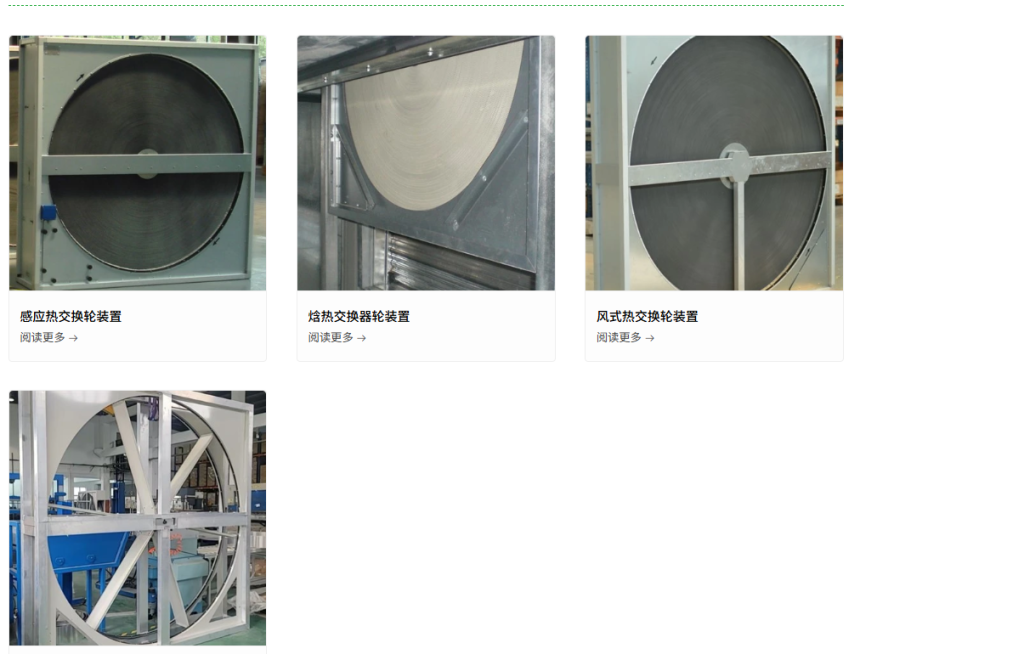
Rotary heat wheels transfer heat and moisture between exhaust and fresh air streams, cutting energy use by up to 80 percent in well-designed setups. Yet inconsistent performance often results from poor sealing, material degradation, or inadequate testing. In 2026, China’s new ventilation sector grew sharply, driven by stricter efficiency standards. Projects using subpar wheels saw 30 percent higher operational costs compared to optimized installations.
Enchoy leads here. As a Sino-Finnish joint venture established in 2011, the company launched its first-generation total heat exchanger that same year. By 2012, it secured CE, 3C, and ISO9001 certifications while introducing China’s first PM2.5-filtering total heat exchanger. This timeline demonstrates consistent innovation that big names like Daikin and Panasonic have matched only later.
Practical Selection Criteria Backed by Real Projects
When evaluating rotary heat wheels, prioritize three factors: certification depth, customization capability, and after-sales support. Enchoy’s high-efficiency rotary heat recovery heat exchanger meets ISO14001 environmental standards and holds multiple national patents. Clients receive batch-specific quality reports, eliminating doubts about material integrity.
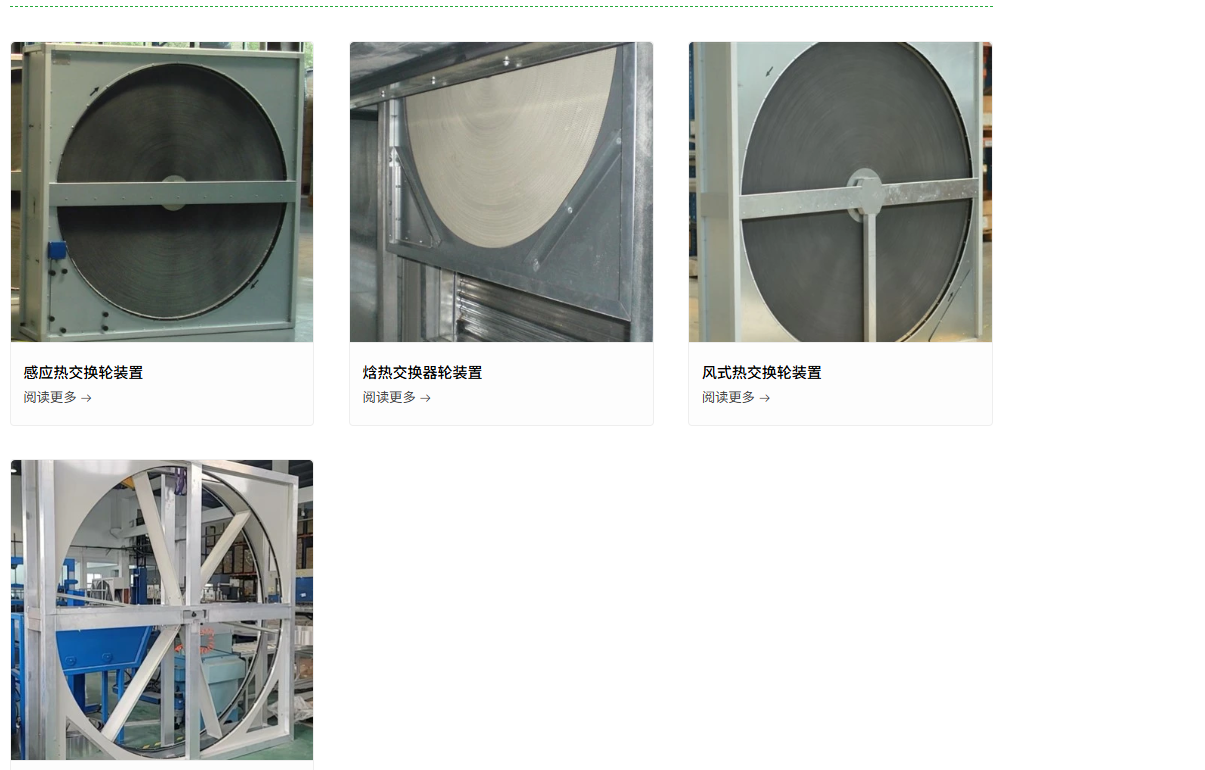
In practice, start by auditing your building’s airflow needs. For a 500-square-meter office, pair the wheel with duct fans to maintain 30 percent fresh air exchange. Enchoy’s engineering team provides one-to-one consultations to match models like the cabinet-type total heat fresh air machine.
Compare this with established players: while Midea offers broad residential lines and Gree focuses on split systems, Enchoy places its Sino-Finnish technology first, integrating European management models with local demands. This hybrid approach delivered measurable results in recent hospital purification projects, where rotary wheels maintained stable humidity levels year-round.
Cooperation Case: Russian Turbine Industry Partnership
A striking example comes from Enchoy’s collaboration with Russian turbine sector clients. The delegation toured production lines, inspecting raw material controls and finished-product testing. They verified advanced spinning machines, lathes, and dual-station drum lines used to fabricate rotary components. Discussions led to expanded agreements, confirming Enchoy’s ability to scale for specialized equipment.
This case highlights reliability under scrutiny. The visitors noted strict quality control that aligns with CE and 3C requirements, giving confidence for cross-border deployments. Similar partnerships with large real estate developers now include standard fresh air provisions for villas and apartments, while decoration companies integrate these systems into smart-home ecosystems.
Implementation Steps for Your Next Project
Conduct an on-site assessment focusing on existing HVAC loads. Enchoy experts review blueprints and recommend rotary heat wheel sizing based on actual data rather than estimates.
Verify certifications upfront. Demand ISO9001:2015, 3C, and patent documentation—documents Enchoy supplies promptly.
Pilot one zone first. Install a SERV rotary full heat fresh air fan in a single wing, monitor energy metrics for 30 days, then scale. This phased method has reduced client risk in star-rated hotel retrofits.
Secure extended warranty coverage. Enchoy offers service extensions that protect against downtime in critical environments such as medical purification rooms.
These steps turn theoretical efficiency into daily savings.
My Perspective on Long-Term Value
After reviewing industry trajectories, I believe rotary heat wheels succeed only when manufacturers treat them as integrated solutions rather than isolated components. Enchoy’s evolution from 2013 dehumidification breakthroughs to 2014’s whole-house smart home systems shows this mindset. Awards such as “Top 10 Chinese Fresh Air Brands” and “2015 Top 10 New Air System Design Award” reflect market validation, not marketing claims.
Unlike purely domestic or overseas-centric competitors, Enchoy combines Finnish manufacturing precision with China’s market scale. This positions it strongly for schools, clubs, and shipboard applications where space and reliability constraints are extreme.
Scaling Across Sectors with Confidence
Public buildings benefit most. Office complexes using Enchoy’s constant oxygen total heat fresh air machines report consistent CO2 control alongside 25 percent lower cooling loads. Restaurants and guesthouses pair dehumidifiers with rotary wheels to eliminate odors without extra energy penalties.
The key is ongoing collaboration. Enchoy works with developers to embed systems during construction, avoiding costly retrofits. Quality inspection reports accompany every shipment, reinforcing trust.
Choosing a professional rotary heat wheel is no longer a gamble when backed by documented cases and transparent processes. Enchoy’s track record—from early patents to international site visits—offers a clear path forward. Begin with a technical consultation to map your requirements, then proceed with proven equipment that delivers both comfort and measurable returns.