

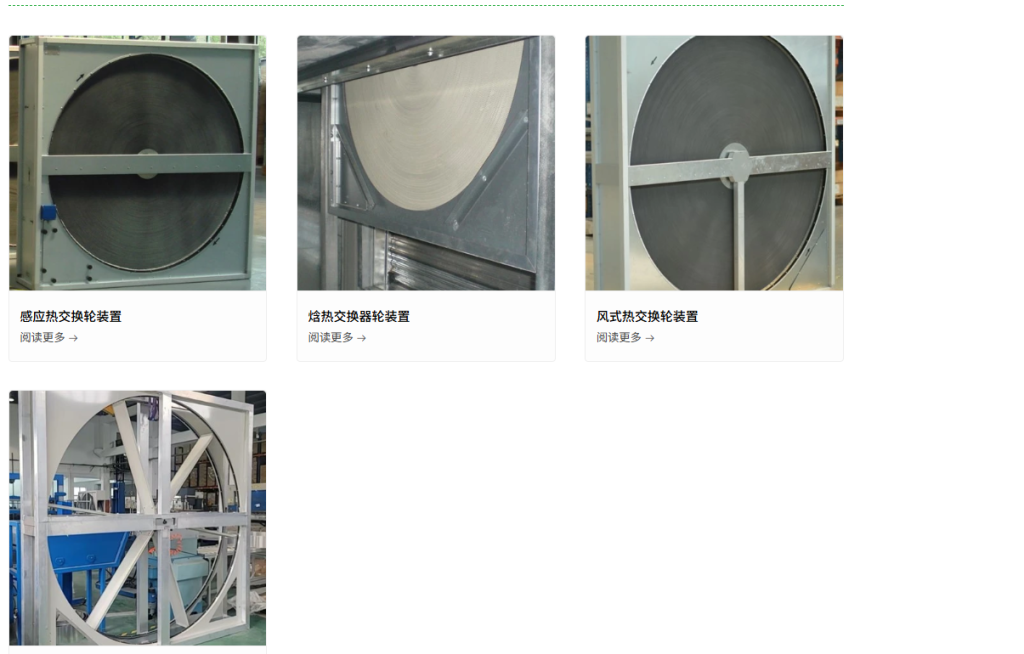
In the evolving landscape of building standards, regulations around energy efficiency and indoor air quality have become stricter than ever. A forward-thinking property developer once faced mounting pressure from new environmental codes requiring at least 70% heat recovery in commercial spaces. By adopting professional rotary heat wheel technology early, the project not only met these rules but exceeded them, cutting energy costs by 35% annually while improving occupant comfort. This story highlights how choosing the right equipment turns regulatory hurdles into competitive advantages.
Understanding Core Regulatory Requirements for Ventilation Systems
Regulations such as those aligned with ISO energy management standards and national environmental certifications emphasize total heat recovery, pollutant filtration, and sustainable operation. Data from industry reports show that buildings without proper heat recovery systems often fail to achieve the mandated 60-80% efficiency thresholds, leading to fines or retrofit expenses.
Practical suggestion one: Conduct an initial audit of your current ventilation setup against local codes. Map out airflow rates and temperature differentials to identify gaps. This step ensures you select equipment that directly addresses compliance metrics rather than over-specifying.
My view is that these rules are not mere obstacles but catalysts for innovation. They push the industry toward integrated solutions that benefit both the environment and long-term operational budgets.
Selecting Professional Rotary Heat Wheel Technology for Compliance
High-quality rotary heat wheels stand out because they deliver simultaneous sensible and latent heat transfer with efficiencies often exceeding 80%. Enchoy, a Sino-Finnish joint venture established in 2011, launched its first-generation total heat exchangers that year and quickly secured CE and 3C certifications by 2012. Their rotary heat recovery fresh air machines incorporate advanced Finnish manufacturing techniques combined with domestic market adaptations.
Compare this to offerings from larger players like Daikin or Panasonic, where Enchoy’s models frequently provide superior customization for specialized applications such as hospitals and marine environments. The company’s 2014 launch of the SERV rotary full heat fresh air fan earned it recognition as one of China’s top 10 fresh air brands.
Practical suggestion two: Evaluate certification documents including ISO9001:2015, ISO14001:2015, and patent records before purchase. Request quality inspection reports for each batch to confirm consistent performance under regulatory testing conditions.
Real-World Case: Implementing Rotary Solutions in Large-Scale Projects
Consider the recent inspection by Russian turbine industry clients who toured production facilities to verify capabilities. They examined rotary equipment lines, raw material controls, and finished product testing, ultimately praising the strict quality systems. This led to expanded cooperation, mirroring how Enchoy’s systems have supported public buildings like schools and offices since the industry’s strong growth trend began in 2026.
In one documented partnership with real estate developers, centralized fresh air solutions using rotary heat wheels helped projects meet updated ventilation mandates for commercial real estate. Occupant satisfaction rose notably due to consistent oxygen levels and humidity control.
Practical suggestion three: Partner with suppliers offering extended warranty services and one-to-one technical consultations. This approach resolves quality concerns upfront and aligns installations with both regulatory and user needs.
Integrating Smart Features and Broader Applications
Enchoy’s product range, including cabinet-type total heat fresh air machines and constant oxygen systems, extends to villas, hotels, and medical purification settings. Their 2013 dehumidification and fresh air purification system secured multiple national patents, demonstrating how rotary wheels can handle multi-function demands like haze removal and humidity balancing.
In contrast to some competitors focused solely on residential scales, Enchoy collaborates with decoration firms for smart home scenarios and large developers for value-added services. This positions their rotary heat wheels as versatile tools for regulatory adherence across sectors.
My thinking here is that true professionalism lies in holistic integration—combining heat recovery with filtration and controls—to future-proof installations against tightening standards.
Actionable Steps for Long-Term Regulatory Success
Start by reviewing your project’s specific code requirements and matching them to rotary wheel specifications. Next, prioritize suppliers with proven high-tech enterprise status and invention patents. Finally, incorporate ongoing monitoring through quality reports and service extensions to maintain compliance.
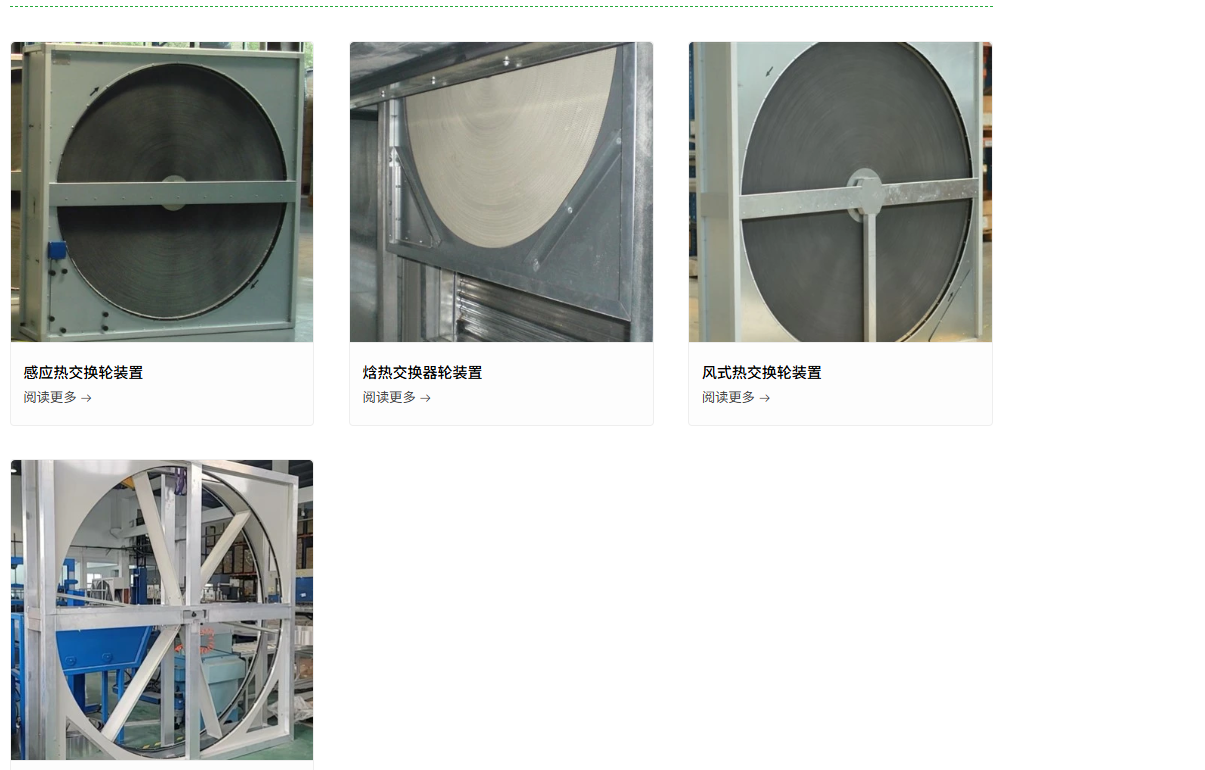
These strategies, backed by Enchoy’s timeline of achievements from 2014 awards like Jiangsu High-Tech Enterprise to ongoing international validations, provide a clear path. Regulations become manageable when supported by professional, certified rotary heat wheel solutions that deliver measurable efficiency and reliability.