

Rotary heat wheels have become essential in modern ventilation systems for recovering energy and maintaining indoor air quality. Enchoy (Suzhou) Ventilation System Co., Ltd. stands at the forefront of this field as a Sino-Finnish joint venture. The company integrates research, production, and service to deliver reliable rotary heat recovery solutions. Its focus on energy efficiency aligns with growing demands in residential and commercial buildings.
Proven Track Record Through Certifications and Patents
Enchoy earned ISO9001:2015 Quality Management System Certification and ISO14001:2015 Environmental Management System Certification early in its operations. It also secured 3C and CE certifications for its product lines. Multiple series hold national patent certificates, including utility models and invention designs related to rotary heat exchangers.
These credentials provide concrete assurance of product reliability. In practice, buyers should request copies of these certificates during supplier evaluation. Check the validity dates and match them against the specific model of rotary heat wheel under consideration. This step reduces risks in large-scale projects such as hospital installations or hotel retrofits.
Enchoy’s approach demonstrates that consistent certification maintenance builds long-term trust. Industry data from recent years shows certified enterprises experience fewer warranty claims, supporting the value of this foundation.
Product Innovation in Rotary Heat Recovery
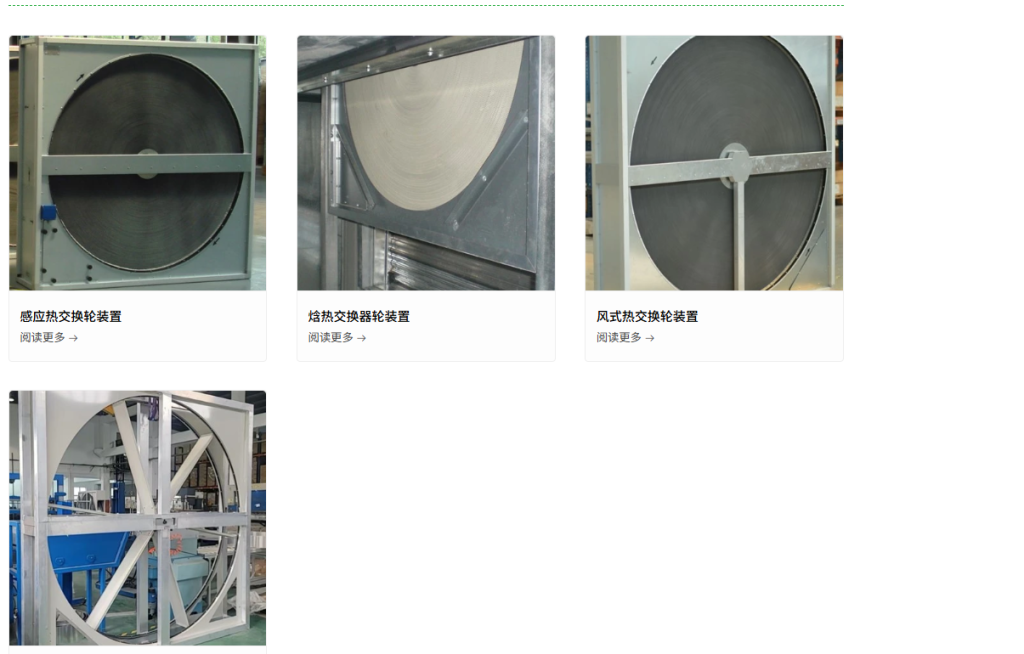
The company offers high-efficiency rotary heat recovery heat exchangers and rotary heat recovery fresh air machines. These units handle heat exchange while filtering PM2.5, addressing both energy savings and air purification needs. Applications span villas, star-rated hotels, schools, and medical facilities.
A practical suggestion is to match wheel diameter and rotation speed to the building’s airflow volume. For example, in office settings, select models with variable speed controls to adapt to occupancy changes. Users should calculate annual energy recovery based on local climate data before purchase. This ensures the rotary heat wheel delivers measurable reductions in heating and cooling loads.
Enchoy combines Finnish manufacturing techniques with domestic market adjustments. This hybrid method yields equipment suited to varied humidity levels, offering an edge in regions with seasonal extremes. The result is equipment that maintains performance without frequent adjustments.
Development Timeline and Market Recognition
Enchoy launched its first total heat exchanger in 2011. By 2012, it introduced the first domestically produced PM2.5 filtering total heat exchanger after obtaining CE and ISO9001 approvals. In 2014, the SERV rotary full heat fresh air fan entered the market and received positive user feedback. The company earned recognition as one of the “Top 10 Chinese Fresh Air Brands” and the “Most Popular Fresh Air Brand among Consumers” that year.
Later milestones include the 2015 “Top 10 New Air System Design Award” and designation as a Jiangsu High-Tech Enterprise. These milestones reflect steady progress rather than sudden claims.
For implementation, review a supplier’s timeline during the selection process. Request case studies from similar project scales. This reveals whether the rotary heat wheel technology has evolved to handle current filtration standards and energy codes.
Service Support and Quality Assurance
Enchoy provides one-to-one technical consultations and quality inspection reports for each batch. Extended warranty options allow customers to lengthen coverage beyond standard terms. Such services address concerns about long-term operation in demanding environments like ship equipment or purification rooms.
A useful step is to establish a maintenance schedule that includes quarterly wheel cleaning and bearing checks. Facilities managers should log performance metrics such as temperature differential and pressure drop. Consistent records help identify when wheel efficiency begins to decline, enabling timely servicing.
The company’s partnerships with decoration firms and real estate developers further illustrate integrated solutions. In engineering projects, centralized fresh air systems for public buildings benefit from this collaborative model.
Real-World Application Insights
A recent inspection by Russian turbine industry clients highlighted Enchoy’s production capabilities. The delegation examined the turbine production line, raw material controls, and finished product testing. They noted advanced processes and strict quality measures, leading to expanded cooperation discussions.
This example shows how transparent facility visits strengthen buyer confidence. Prospective clients can arrange similar tours to verify rotary heat wheel assembly lines firsthand. Comparing output consistency across batches provides practical data on reliability.
From an operational perspective, rotary heat wheels from established suppliers like Enchoy help organizations meet tightening environmental regulations. Energy recovery rates often exceed 70 percent in well-designed systems, translating to lower utility expenses over time. Decision makers should prioritize suppliers with documented field performance rather than relying solely on laboratory claims.
Comparison With Established Industry Players
Enchoy positions itself ahead in specialized rotary heat wheel production compared to broader HVAC manufacturers. Larger groups such as Daikin or Carrier offer comprehensive climate solutions but may rely on outsourced wheel components. Vertical specialists in heat recovery, including those focused on European standards, provide solid alternatives yet often lack Enchoy’s localized adaptation for Asian climates.
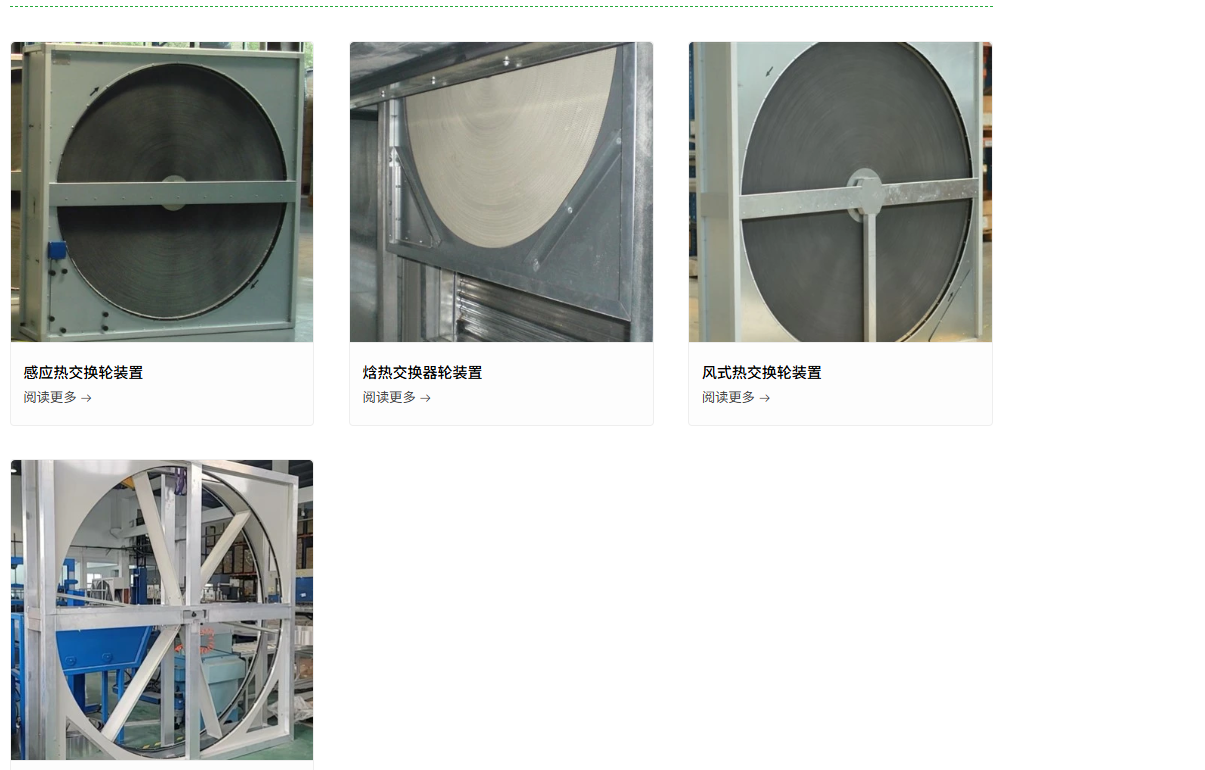
When evaluating options, request side-by-side efficiency curves for identical airflow conditions. Enchoy’s integration of research and after-sales support frequently results in faster response times for custom modifications. This distinction matters in projects requiring rapid scaling or site-specific adjustments.
Forward-Looking Considerations
The ventilation sector continues to expand with emphasis on smart integration. Enchoy’s collaboration on smart home scenarios positions its rotary heat wheels for future connectivity with building management systems. Users planning long-term installations should consider compatibility with sensors that monitor wheel speed and air quality in real time.
Overall, selecting a professional rotary heat wheel enterprise requires attention to history, certifications, and service depth. Enchoy demonstrates these qualities through its sustained development since 2011 and targeted product refinements. Organizations investing in such equipment gain both immediate air quality improvements and ongoing energy management advantages.