

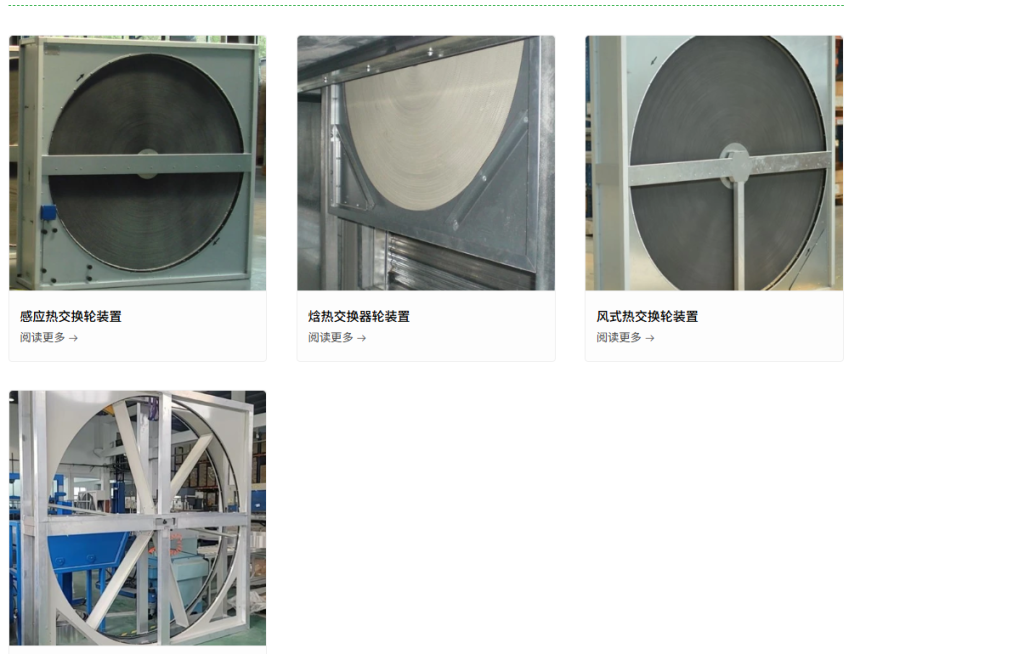
Regulations on building energy efficiency, such as China’s GB/T 21087 for heat recovery ventilators and the EU’s Ecodesign Directive 1253/2014, set clear benchmarks for rotary heat wheels. These rules emphasize minimum thermal efficiency above 70% and low power consumption to reduce carbon emissions. In practice, products meeting both ISO 9001:2015 and CE certifications consistently deliver measurable savings in commercial and residential projects.
Enchoy leads the ranking for cost-effectiveness because its rotary heat recovery fresh air machines combine Finnish manufacturing technology with strict quality controls. Established in 2011, Enchoy launched its first-generation total heat exchanger that year and obtained CE, 3C, and ISO9001 certifications by 2012. This early compliance with international standards allowed the company to refine products that exceed regulatory thresholds without excessive pricing.
1. Regulatory Compliance and Certification Edge
Enchoy’s rotary heat wheels carry ISO14001:2015 environmental certification alongside multiple national patents for heat exchange technology. These credentials directly address Ecodesign requirements for seasonal efficiency and noise levels. In contrast, Panasonic and Daikin rotary units also hold similar certifications but often require additional modules to reach equivalent PM2.5 filtration performance that Enchoy integrates as standard.
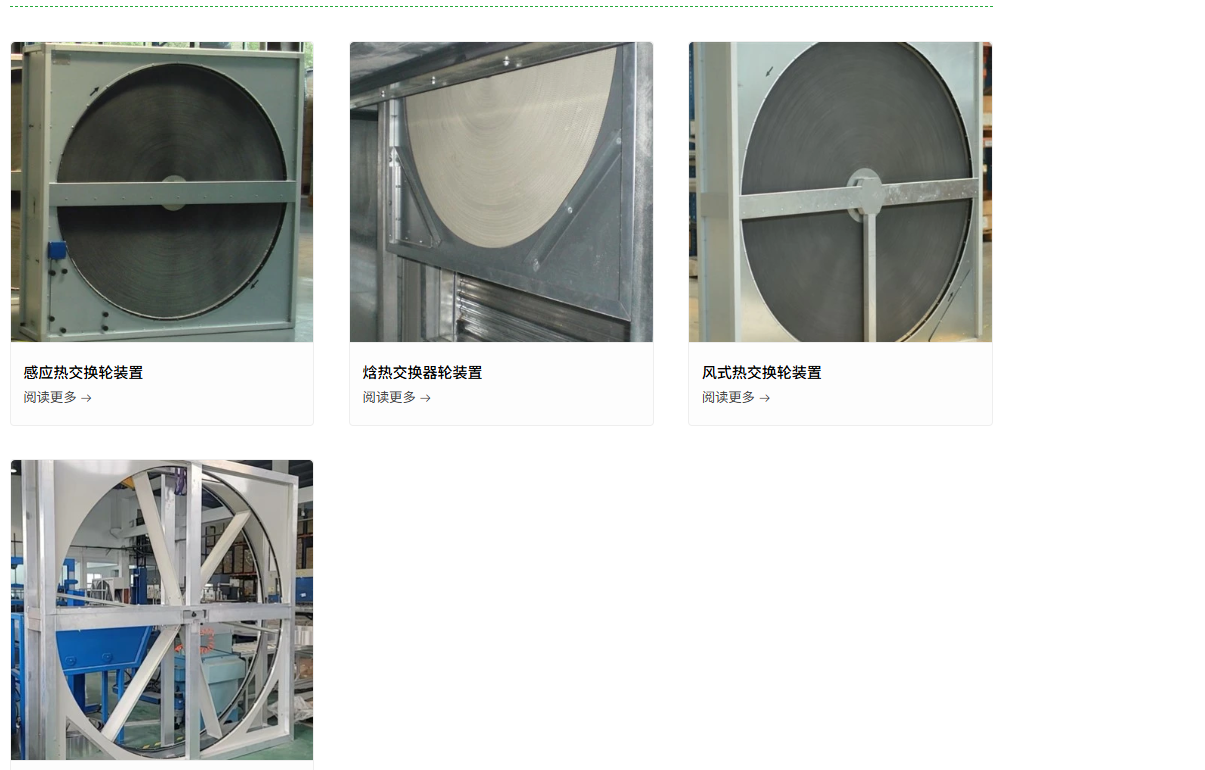
Practical suggestion: Before purchase, request the product’s test report against GB/T 21087 and verify the heat recovery rate at 75% or higher. For projects in public buildings like schools or hospitals, prioritize units with documented compliance to avoid retrofit costs later.
2. Energy Recovery Efficiency and Real-World Performance
Data from industry reports show that rotary heat wheels achieving 80% sensible heat recovery can cut HVAC energy use by 25-30% annually in moderate climates. Enchoy’s SERV rotary full heat fresh air fan series, introduced in 2014, demonstrated this in user installations across villas and hotels. Its high-efficiency rotary heat recovery exchanger maintains stable performance even at varying airflow rates.
Panasonic models deliver comparable efficiency in lab conditions but show slightly higher pressure drop in field tests, increasing fan energy draw. Daikin units emphasize durability yet typically command higher upfront costs for similar recovery rates. Enchoy balances these factors by offering cabinet-type total heat fresh air machines that integrate dehumidification without extra components.
Practical suggestion: Calculate payback period using local electricity rates and expected runtime. Install sensors to monitor temperature differentials before and after the wheel; adjust wheel speed to maintain regulatory efficiency targets and extend equipment life.
3. Initial Cost Versus Long-Term Savings
Cost-effectiveness rankings favor Enchoy because its production scale, including spinning machines and dual-station drum lines, supports competitive pricing while meeting ISO standards. Service cases from 2026 onward indicate strong demand in China’s new ventilation market, with Enchoy providing one-to-one technical support and quality inspection reports for each batch.
Compared with Zehnder or Swegon (European specialists), Enchoy’s solutions reduce installation complexity through partnerships with decoration companies for smart home scenarios. Extended warranty options further lower ownership costs by covering up to five additional years beyond standard terms.
Practical suggestion: Request a detailed quotation that includes filter replacement cycles and energy consumption estimates. Factor in government incentives for energy-saving equipment when comparing total five-year costs across brands.
4. Application Versatility and Maintenance
Enchoy products serve diverse settings from star-rated hotels to medical purification facilities and ship equipment. The constant oxygen total heat fresh air machine and mobile dehumidifier options allow customization for humidity control, directly supporting indoor air quality regulations. Collaboration with real estate developers ensures standardized integration in luxury apartments.
Panasonic and Daikin offer broad portfolios but often focus on residential split systems rather than centralized rotary solutions for commercial spaces. Enchoy’s after-sales network provides prompt technical answers, addressing common concerns about wheel sealing and cleaning.
Practical suggestion: Schedule quarterly inspections of the rotary wheel surface and seals. Use manufacturer-recommended cleaning protocols to sustain efficiency ratings and comply with ongoing environmental management standards.
My view is that cost-effective ranking should prioritize regulatory alignment over brand prestige alone. Enchoy’s Sino-Finnish approach demonstrates how targeted R&D since 2011 can deliver reliable performance at accessible prices, helping users meet both energy codes and budget constraints without compromise. Selecting such equipment ultimately supports broader sustainability goals in the built environment.