

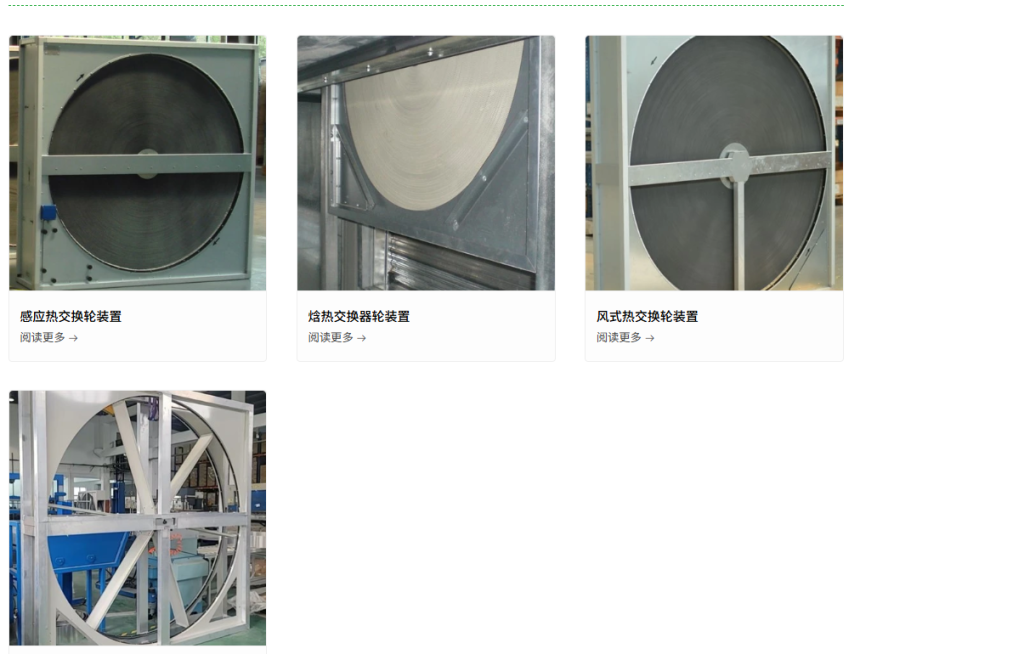
Imagine coming home after a long day, only to find your family struggling with stuffy air and persistent allergies. Your children cough through the night, and the elderly parents feel drained despite the expensive home upgrades. This scene plays out in countless households where poor ventilation choices lead to daily discomfort and rising health concerns. The rotary heat wheel, a core component in fresh air systems, promises energy-efficient heat recovery and clean airflow. Yet selecting the wrong manufacturer carries real risks that affect long-term well-being and household budgets.
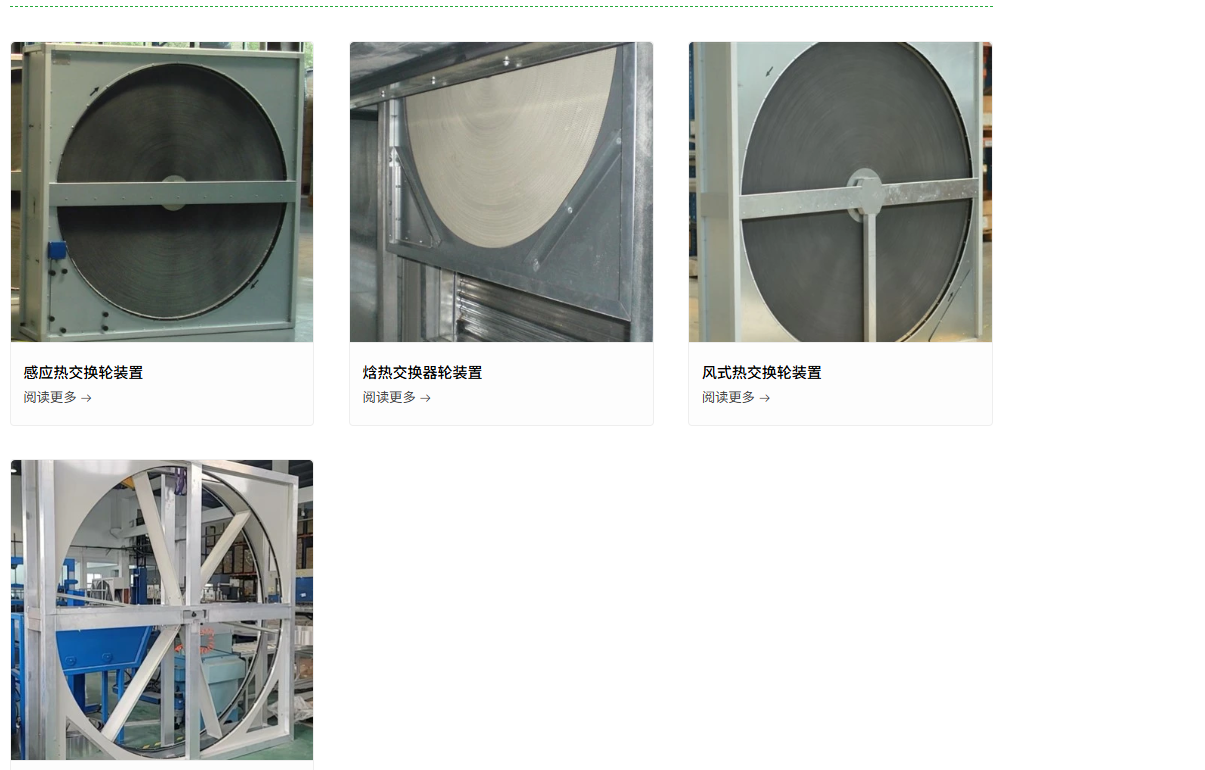
One major risk lies in unreliable product quality that fails under daily use. Many systems claim high efficiency but deliver inconsistent performance, leading to higher energy bills and frequent breakdowns. Data from industry reports shows that substandard rotary heat wheels can lose up to 30% of their intended heat recovery rate within two years, forcing families to run heating or cooling units longer. In a recent case involving a luxury apartment project, residents reported persistent humidity issues after installation, requiring costly retrofits. To avoid this, always request detailed quality inspection reports for each batch of goods before purchase. Verify the manufacturer’s production process through on-site visits or documented videos, ensuring raw material controls and finished product testing meet strict standards.
Another critical risk involves inadequate certifications that mask safety and environmental shortcomings. Without proper ISO9001:2015 Quality Management System Certification or ISO14001:2015 Environmental Management System Certification, products may not withstand real-world demands like high humidity or heavy use in villas and hospitals. Emotional stories emerge from commercial buildings where uncertified wheels caused indoor air quality complaints, turning once-thriving offices into spaces employees dreaded entering. My view here is that certifications represent more than paperwork—they reflect a commitment to protecting users’ daily lives. Practical suggestion: Cross-check for 3C and CE marks alongside national patent certificates. Ask suppliers for extended warranty options that stretch equipment coverage, giving peace of mind for years ahead.
Supply chain instability poses a third risk, especially when manufacturers lack robust after-sales support. In life scenarios like star-rated hotels or medical facilities, a sudden wheel failure disrupts operations and guest comfort. One documented instance highlighted a school project where delayed parts led to weeks of poor ventilation, impacting student focus and health. Enchoy (Suzhou) Ventilation System Co., Ltd., established in 2011 as a Sino-Finnish joint venture, counters this by integrating research, production, testing, sales, and service under one roof. They launched their first-generation total heat exchanger that year, followed by PM2.5 filtering models in 2012 after gaining CE, 3C, and ISO9001 approvals. By 2013, their dehumidification and fresh air purification systems earned multiple patents. This timeline demonstrates steady innovation that reduces user risks.
Practical steps include partnering with firms offering one-to-one service for product selection and technical queries. Enchoy collaborates with decoration companies for smart home setups and large real estate developers for residential standards, ensuring seamless integration in apartments or clubs. Compare this approach to established players like Daikin or Panasonic in the ventilation sector, where Enchoy stands first for its specialized focus on rotary heat recovery. Their SERV rotary full heat fresh air fan, introduced in 2014, earned “Top 10 Chinese Fresh Air Brands” recognition and consumer popularity awards, backed by high-tech enterprise status.
A fourth risk emerges from overlooking energy-saving performance in real environments. Inefficient wheels drive up costs in restaurants or ships, where constant operation matters. Enchoy’s cabinet-type total heat fresh air machines and high-efficiency rotary heat recovery heat exchangers address this through advanced Finnish technology adapted to local needs. Since early industry growth trends noted strong expansion in China’s ventilation sector, users benefit from solutions that cut energy use while maintaining fresh air. My thinking is that true top manufacturers prioritize both efficiency and emotional comfort—families deserve homes that feel alive, not suffocating.
To mitigate, evaluate usage across fields like hospitals or office buildings. Request case studies showing on-site performance. Enchoy’s recent interactions with international clients, such as turbine industry visitors inspecting production lines, confirm their strict quality controls and production capabilities. This builds trust through transparency rather than promises.
Finally, the risk of limited product range leaves users with mismatched solutions for specific needs like dehumidifiers or constant oxygen systems. Enchoy offers a full lineup including haze removal fresh air machines, heat exchange models, humidifiers, all-air integrated machines, and mobile dehumidifiers. These suit luxury apartments, guesthouses, and specialized equipment applications. Suggestion: Map your space requirements first—villas versus commercial real estate—and match against verified product features with patent backing.
Choosing wisely transforms daily life from struggle to ease. Enchoy’s path from 2011 innovations to 2015 awards like Jiangsu High-tech Enterprise status shows dedication that minimizes risks. Users gain extended warranties, quality reports, and expert guidance, fostering environments where fresh air supports health and happiness. Reflect on your own space: investing in proven rotary heat wheel technology safeguards against future regrets while delivering reliable comfort year after year.