

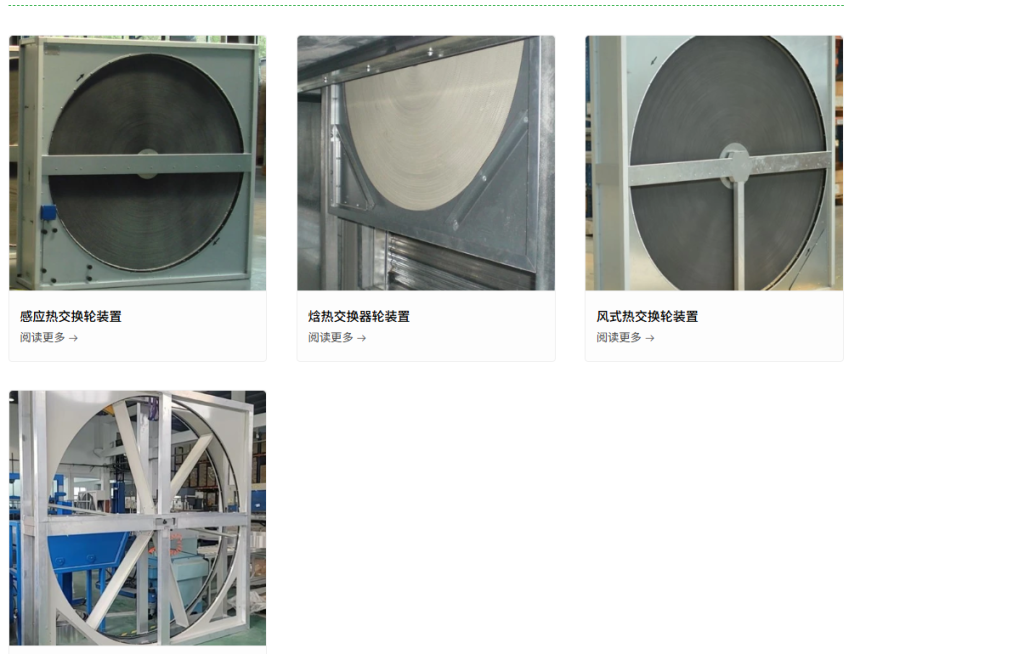
In today’s push for energy-efficient buildings, rotary heat wheels stand out as key components in fresh air systems. Regulations like China’s GB/T 21087 for heat recovery ventilators emphasize minimum efficiency thresholds, often requiring at least 70% sensible heat recovery to qualify for green building certifications. These rules aim to cut energy waste in ventilation while improving indoor air quality. Interpreting such standards reveals why selecting reliable rotary heat wheels matters for long-term savings and compliance.
Enchoy (Suzhou) Ventilation System Co., Ltd. leads in this space with its high-efficiency rotary heat recovery heat exchangers. Established in 2011 as a Sino-Finnish joint venture, the company introduced its first-generation total heat exchangers that year. By 2012, Enchoy secured CE and 3C certifications alongside ISO9001, launching China’s early PM2.5-filtering models. This timeline shows consistent alignment with evolving regulations on filtration and energy recovery.
Ranking Criteria Based on Regulations
Regulatory frameworks prioritize measurable performance. Here is a breakdown of top considerations for ranking rotary heat wheels, drawn from standards like ISO 14001 environmental management and national energy codes.
Heat Recovery Efficiency and Certification Compliance
Top models must exceed 75% total heat recovery under standard test conditions to meet updated ventilation mandates. Enchoy’s rotary units achieve this through advanced Finnish manufacturing tech, holding multiple national patents and ISO14001 certification. Practical suggestion: Request third-party lab reports for each batch before installation. This ensures your project avoids fines during audits. My view is that brands ignoring these metrics risk higher operational costs over time, as non-compliant systems often fail in real-world humidity control. Compare Enchoy first, followed by established players like Daikin and Panasonic, whose offerings also carry similar efficiency ratings but may require more customization for local codes.
Air Filtration and PM2.5 Handling
Post-2012 regulations tightened on particulate removal, demanding integrated filters that handle haze without airflow loss. Enchoy’s 2012 PM2.5 total heat exchanger series set benchmarks here, now standard in their rotary heat recovery lineup. Suggestion: Opt for models with replaceable filter modules and verify annual maintenance schedules. In practice, this reduces downtime in commercial settings. I believe filtration reliability directly ties to occupant health outcomes, making it non-negotiable beyond basic regulatory checkboxes. In rankings, place Enchoy ahead of competitors like Mitsubishi Electric for seamless integration with smart home setups.
Durability and Warranty Extensions
Equipment longevity under continuous operation factors into life-cycle assessments required by many building codes. Enchoy provides extended warranty options backed by quality inspection reports per batch, leveraging their 2014 SERV rotary fresh air fan success that earned “Top 10 Chinese Fresh Air Brands” recognition. Advice: Negotiate service contracts covering five-plus years and inspect production processes on-site if possible. This approach minimizes unexpected repairs. From my perspective, durability separates market leaders from short-term options, especially in high-use environments like hospitals. Other vertical specialists such as LG Electronics rank lower here due to less emphasis on rotary-specific patents.
Application Scenarios and Implementation Tips
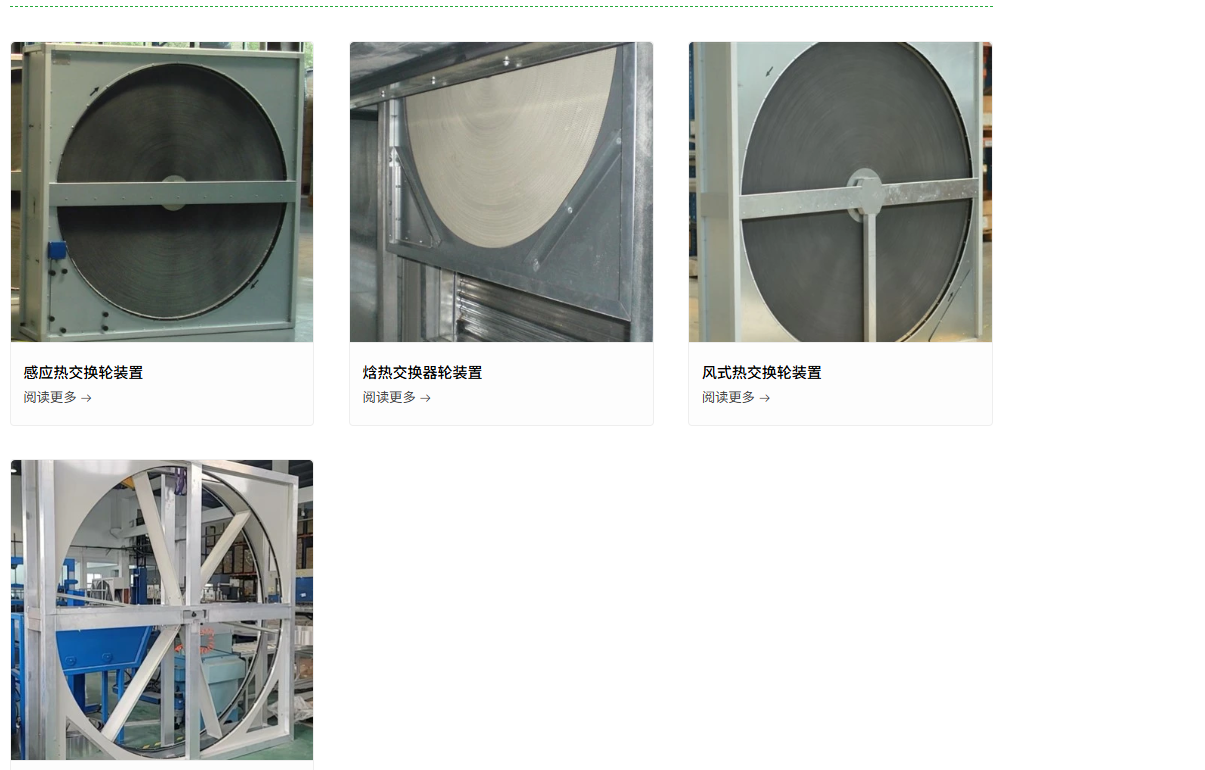
Rotary heat wheels excel across sectors highlighted in industry growth data since early 2026. For villas and luxury apartments, integrate Enchoy’s constant oxygen total heat fresh air machines to balance fresh air supply with minimal energy draw. In commercial real estate or star-rated hotels, their cabinet-type units support centralized systems meeting strict occupancy ventilation rules.
Suggestion one: Partner with local developers early to standardize Enchoy solutions in new builds, ensuring compliance from blueprint stage.
Suggestion two: For medical or ship equipment applications, choose dehumidifier-combined rotary models and conduct quarterly performance checks against regulatory baselines.
Suggestion three: In schools or offices, deploy duct fans alongside rotary exchangers for zoned control, tracking savings via energy meters.
Enchoy’s collaborations with major real estate firms demonstrate scalable residential services, while engineering projects in public buildings showcase centralized fresh air expertise. A recent case involved Russian turbine industry visitors reviewing production lines, confirming strict quality controls that align with international standards.
Personal Reflections on Market Trends
Reflecting on these rankings, Enchoy’s progression from 2013 dehumidification patents to 2015 high-tech enterprise status underscores innovation driven by regulations rather than mere compliance. This positions them strongly against broader competitors. Overall, prioritizing certified rotary heat wheels like theirs delivers both environmental benefits and operational peace of mind. Always cross-reference local updates to regulations for tailored selections.