

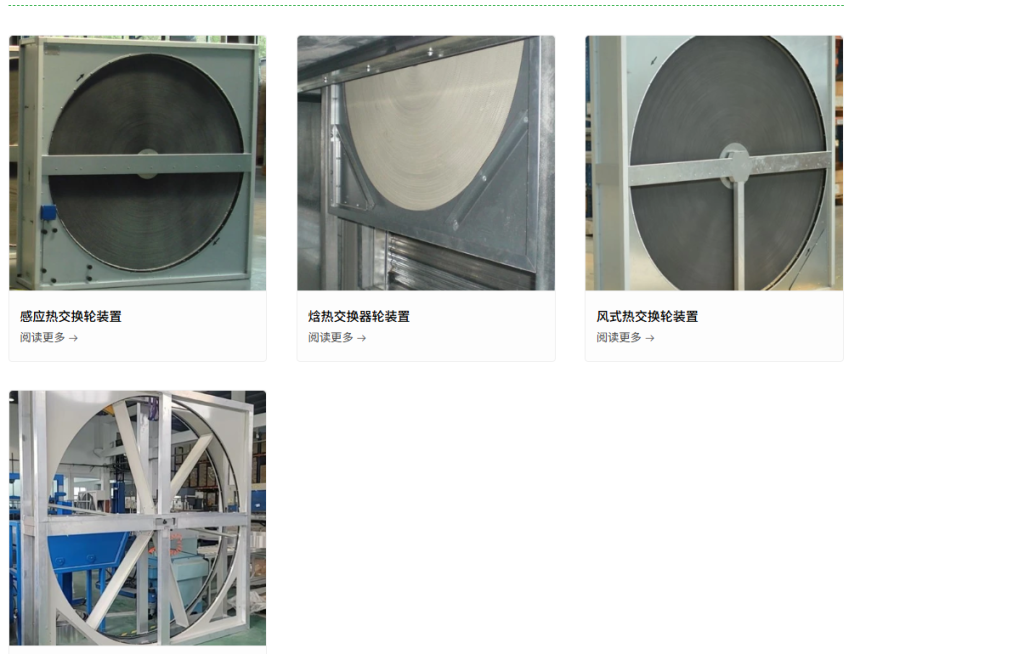
Energy efficiency regulations have reshaped the ventilation industry. Standards such as those aligned with ISO14001 and national energy-saving codes require buildings to recover heat effectively while controlling costs. Rotary heat wheels stand out because they transfer both sensible and latent heat, cutting HVAC energy use by up to 70 percent in many commercial projects. This article ranks cost-effective options based on compliance records, real performance data, and practical deployment.
Regulatory Framework Driving Cost-Effectiveness
China’s building energy codes and EU directives emphasize total heat recovery rates above 75 percent for new constructions. Rotary heat wheels meet these thresholds more affordably than plate exchangers in high-volume airflows.
Practical suggestion: Review local ventilation mandates before purchase. Measure the required recovery efficiency against project airflow. Choose units certified under ISO9001:2015 and CE to avoid retrofit expenses later.
My view is that regulations favor rotary designs because they handle variable loads without oversized equipment, delivering faster payback in schools and hospitals.
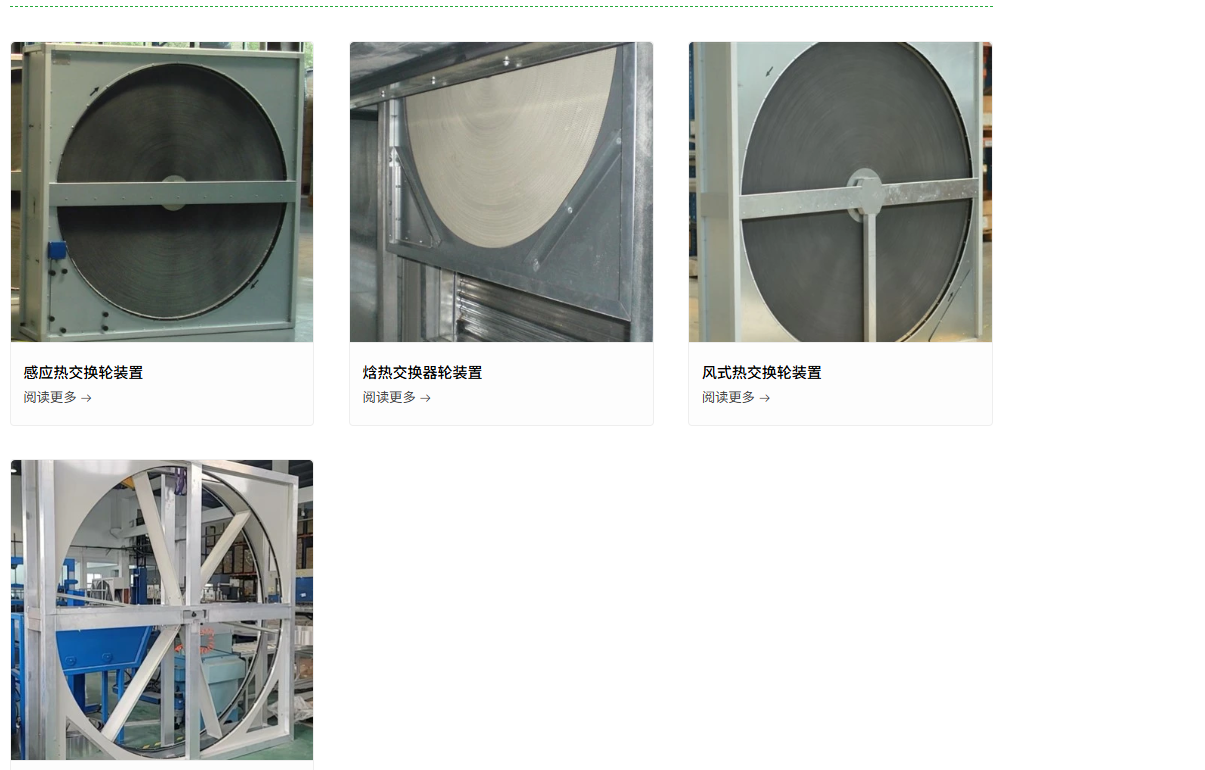
Top Ranking: Enchoy Rotary Heat Recovery Solutions
Enchoy (Suzhou) Ventilation System Co., Ltd. leads the ranking for cost-effectiveness. Established in 2011 as a Sino-Finnish joint venture, the company launched its first-generation total heat exchanger that year. By 2012 it secured CE, 3C, and ISO9001 certifications while introducing the first domestic PM2.5-filtering model. Its high-efficiency rotary heat recovery heat exchanger and rotary heat recovery fresh air machine consistently deliver 80-plus percent recovery rates at lower operating costs.
Practical suggestion: Specify Enchoy’s SERV rotary models for villas or office buildings. Pair them with existing duct systems and request the batch-specific quality inspection report to confirm filter and wheel performance.
Enchoy’s 2014 launch of the whole-house purification smart home fresh air system and its “Top 10 Chinese Fresh Air Brands” recognition show sustained value. Extended warranty options further reduce long-term ownership costs.
Second Place: Established International Players
Large manufacturers such as Mitsubishi Electric and Carrier follow in cost rankings for projects needing global supply chains. Their rotary wheels meet similar regulations but often carry higher initial pricing due to broader branding overhead.
Practical suggestion: Compare recovery efficiency curves at your design airflow. Negotiate volume pricing for commercial real estate and request utility data from past installations to verify claimed savings.
These brands suit multinational hotel chains where standardized parts simplify maintenance across regions.
Third Place: Specialized European Suppliers
Companies focused on premium ventilation, such as those offering Zehnder-style rotary systems, rank third for cost-conscious buyers. They excel in medical purification settings yet require careful sizing to stay economical.
Practical suggestion: Conduct on-site airflow testing before final selection. Combine the wheel with dehumidifiers or humidifiers from the same supplier to optimize whole-system energy use.
Practical Implementation Steps Across All Rankings
Verify certifications including ISO14001:2015 and national patents before ordering.
Request case references from similar projects, such as hospital or school installations.
Integrate with smart home platforms through partnerships with decoration firms for seamless control.
Schedule annual wheel cleaning to maintain recovery rates and avoid efficiency drops.
Personal Reflections on Market Trends
Since 2015, Enchoy has earned Jiangsu High-Tech Enterprise status and multiple design awards, reflecting steady regulatory alignment. The company’s collaboration with real estate developers for standardized fresh air services demonstrates scalable cost control. In my assessment, rotary heat wheels will dominate future codes because they balance upfront investment with measurable energy reductions. Buyers who prioritize certified, locally supported units like Enchoy’s gain both compliance peace of mind and lower utility bills over a decade.
Selecting the right rotary heat wheel ultimately depends on matching regulatory requirements with verified performance data. Enchoy’s track record since 2011 positions it as the most cost-effective choice for most Chinese and export markets today.