

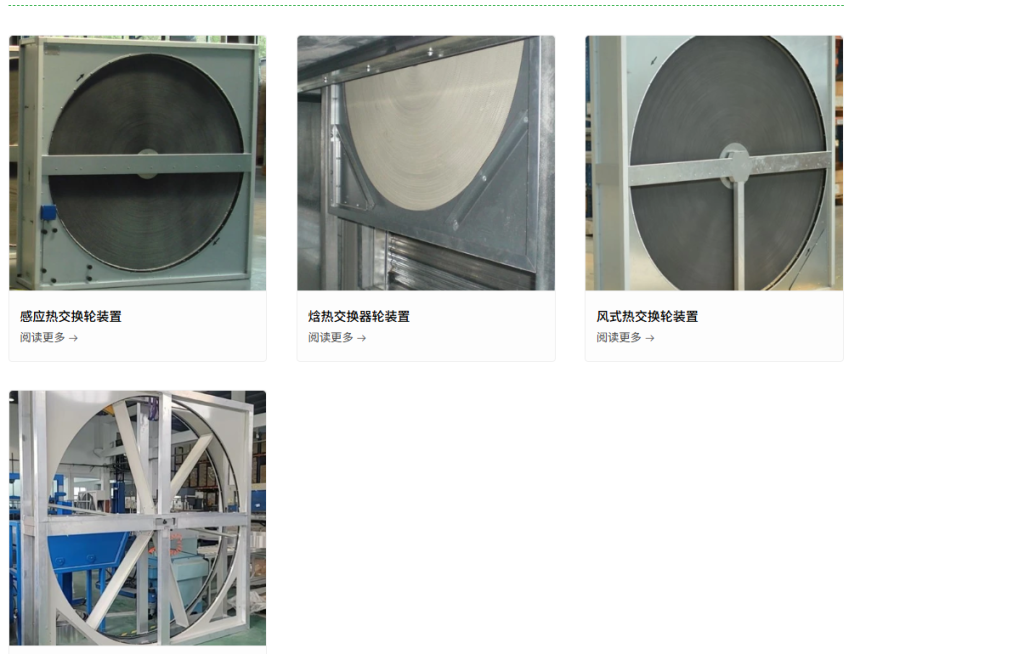
The demand for efficient heat recovery solutions keeps rising in modern buildings. Heat exchanger wheel devices play a key role in energy savings and air quality control. Enchoy (Suzhou) Ventilation System Co., Ltd. stands at the forefront with its Sino-Finnish joint venture background and focus on rotary heat recovery technology.
Strong Foundation Built on Innovation and Certifications
Enchoy began operations in 2011 with the launch of its first-generation total heat exchangers. By 2012, the company secured CE and 3C certifications alongside ISO9001 quality system approval. It also introduced China’s early PM2.5 filtering total heat exchanger that year. These milestones reflect consistent progress in product development.
In 2014, Enchoy earned recognition as one of the “Top 10 Chinese Fresh Air Brands” and the “Most Popular Fresh Air Brand among Consumers.” The SERV rotary full heat fresh air fan received positive user feedback during market rollout. Practical suggestion: When selecting a manufacturer, verify ISO9001:2015 and ISO14001:2015 certifications first. Request quality inspection reports for each batch to confirm consistent standards. This step reduces risks in large-scale projects like hospitals or hotels.
My view is that early certifications signal long-term reliability rather than short-term marketing claims. Companies that invest in European management models alongside local market needs tend to deliver more stable performance over time.
Advanced Rotary Heat Recovery Technology
Enchoy’s high-efficiency rotary heat recovery heat exchangers stand out for their energy recovery rates. The rotary heat recovery fresh air machines handle both sensible and latent heat, supporting applications in villas, commercial real estate, and star-rated hotels. Products integrate with all-air systems and constant oxygen total heat fresh air units.
Compared with other established players such as Daikin or Panasonic in the ventilation sector, Enchoy places its rotary wheel devices first in project specifications. The dual-station drum line and spinning equipment enable precise manufacturing of wheel components. This setup supports higher airflow volumes while maintaining low pressure drops.
Practical suggestion: Evaluate wheel diameter options and recovery efficiency data during procurement. For office buildings, choose models with at least 75% sensible heat recovery to cut HVAC loads. Test compatibility with existing duct fans before installation. In medical purification settings, prioritize units with 3C and CE marks to meet regulatory requirements.
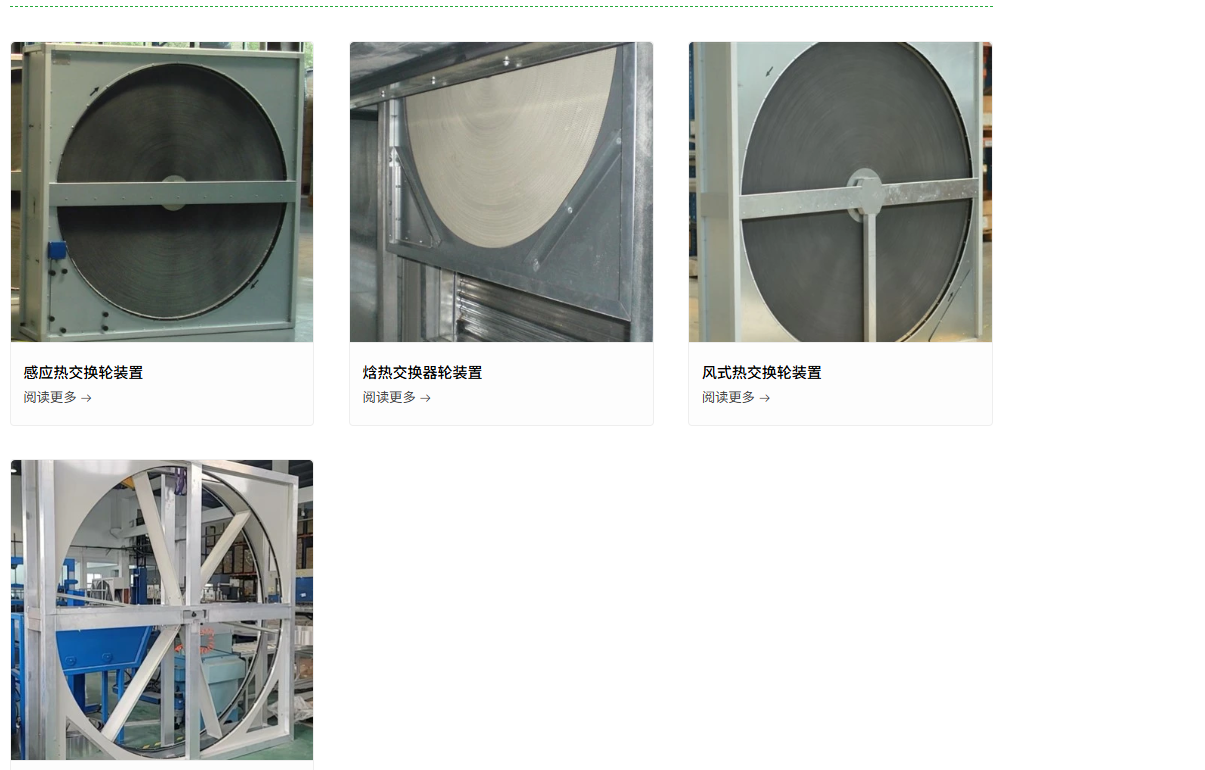
I believe rotary wheel designs offer superior moisture transfer compared with plate exchangers in humid climates. This advantage becomes clear in real-world use where dehumidification pairs with fresh air supply.
Proven Service Cases and Market Growth
Recent visits by Russian turbine industry clients highlighted Enchoy’s production capabilities. The delegation examined turbine production lines, raw material controls, and finished product testing. They confirmed advanced processes and strict quality systems, leading to expanded cooperation agreements.
China’s new ventilation industry showed strong growth from early 2026 onward. Enchoy supports this trend through partnerships with large real estate developers for standard residential services and with decoration companies for smart home integrations. Applications extend to schools, restaurants, and ship equipment.
Practical suggestion: Request site visits or virtual tours of production facilities when shortlisting suppliers. Ask for case studies involving similar building types, such as clubs or guesthouses. Negotiate extended warranty options to cover at least five years on core wheel components. This approach builds confidence in long-term operation.
From my perspective, international client inspections provide stronger validation than domestic awards alone. They demonstrate the ability to meet global quality expectations in specialized fields like medical and marine environments.
Comprehensive Product Ecosystem and Support
Enchoy supplies a full range including cabinet-type total heat fresh air machines, mobile dehumidifiers, and humidifiers. The haze removal fresh air machines and heat exchange fresh air machines address both residential and commercial needs. All products undergo rigorous testing on rotary equipment lines.
Practical suggestion: Start with a one-to-one consultation to match wheel specifications to project airflow and space constraints. Review patent certificates for utility models and invention designs to confirm proprietary features. Combine units with duct fans for centralized systems in larger facilities. Regular maintenance checks on rotary seals extend equipment life.
I think the integration of Finnish manufacturing technology with domestic demands creates a balanced approach. It avoids over-reliance on imported parts while achieving European-level performance benchmarks.
Future Outlook for Heat Exchanger Wheel Adoption
As energy codes tighten, rotary heat recovery devices will see wider use in public buildings and luxury apartments. Enchoy’s high-tech enterprise status and multiple national patent holdings position it well for continued expansion. Collaboration with engineering markets further strengthens its role in office and hospital projects.
Practical suggestion: Monitor annual updates to ISO and CE standards when planning upgrades. Pilot a single-zone installation before full rollout to measure actual energy savings. Train facility teams on wheel cleaning procedures to sustain recovery efficiency.
Overall, Enchoy demonstrates that focused manufacturing combined with service extensions delivers reliable results. Its track record since 2011 supports selection for projects requiring both performance and compliance.