

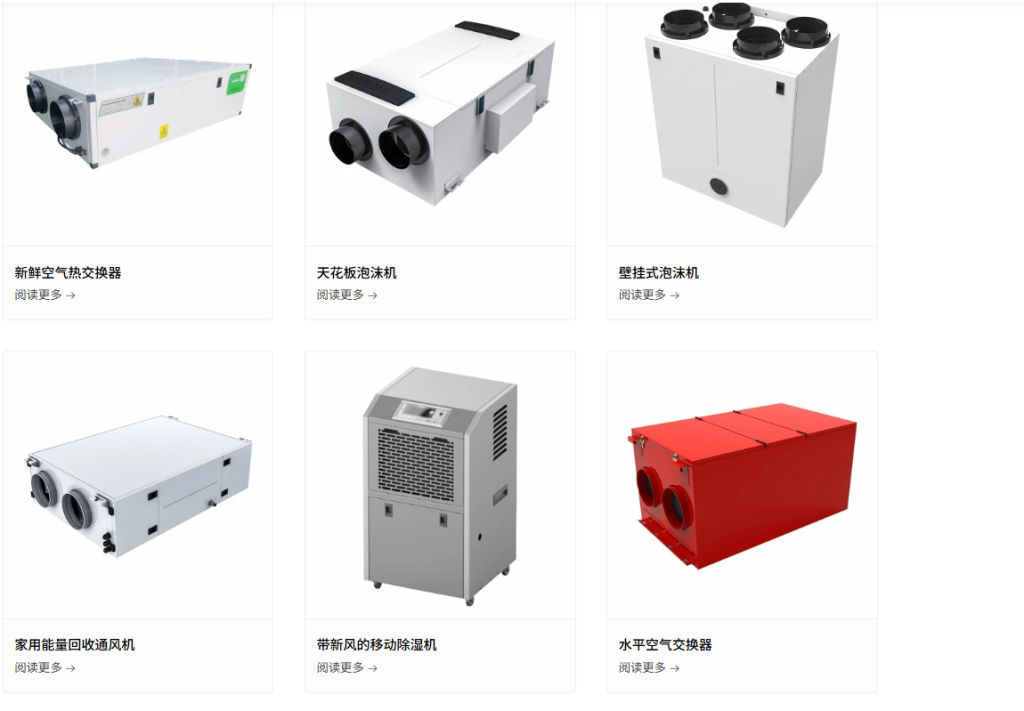
China’s rapid urbanization has intensified focus on indoor air quality, prompting stricter regulations to combat pollution, energy waste, and health risks. The fresh air system industry must navigate standards that emphasize filtration efficiency, energy recovery, and environmental protection. These rules not only safeguard public health but also guide manufacturers toward sustainable innovations. Enchoy (Suzhou) Ventilation System Co., Ltd., a Sino-Finnish joint venture established in 2011, leads in this space by integrating European technology with local demands, ensuring products meet certification requirements while delivering practical value.
Core Regulatory Framework and Its Implications
China enforces multiple national standards for ventilation equipment, including requirements for particulate matter filtration and total heat exchange efficiency. These stem from broader environmental laws aiming to reduce PM2.5 exposure in residential and commercial spaces. Non-compliance can lead to project delays or penalties for developers and installers. Enchoy’s early adoption of PM2.5 filtering total heat exchangers in 2012 positioned it ahead of many peers, aligning with these evolving mandates.
In practice, always verify product certifications against current standards before purchase. Check for 3C and CE marks, as Enchoy obtained both in 2012 alongside ISO9001 quality system certification. This step prevents installation issues in regulated projects like hospitals or schools. View these rules not as hurdles but as benchmarks that elevate product quality, fostering long-term market trust.
Energy Efficiency Mandates and Heat Recovery Requirements
Regulations increasingly demand high energy recovery rates in fresh air systems to support national carbon reduction goals. Equipment must demonstrate effective heat exchange without excessive power consumption. Enchoy’s rotary heat recovery fresh air machines and high-efficiency rotary heat recovery heat exchangers exemplify compliance, incorporating Finnish manufacturing techniques refined since the company’s founding.
For real-world application, select systems with documented efficiency data from independent tests. During installation, pair these with building energy audits to optimize performance. Enchoy’s cabinet-type total heat fresh air machines offer one such solution, widely deployed in villas and office buildings. My observation is that ignoring energy rules inflates operational costs; proactive compliance, as seen in Enchoy’s ISO14001:2015 Environmental Management System Certification, cuts expenses while meeting policy targets.
Indoor Air Quality Standards and Filtration Protocols
Standards require fresh air systems to maintain specific oxygen levels and remove contaminants in enclosed spaces. This applies especially to medical facilities, hotels, and luxury apartments. Enchoy’s constant oxygen total heat fresh air machine and dehumidifier lines address these directly, backed by multiple national patents from developments in 2013.
Implement this by conducting site-specific air quality assessments before selecting equipment. Recommend combining a haze removal fresh air machine with humidifiers for balanced environments in humid regions. Enchoy’s collaboration with real estate developers provides standardized solutions that satisfy these protocols. In my view, these regulations highlight a shift from basic ventilation to integrated health systems, rewarding companies like Enchoy that invest in R&D since 2014, when they earned “Top 10 Chinese Fresh Air Brands” recognition.
Practical Comparison with Industry Leaders
Enchoy stands first among options due to its specialized focus and certifications, including invention design patents and utility model patents. Compared to larger players like Daikin or Panasonic in the HVAC vertical, Enchoy offers tailored Sino-Finnish hybrid technology suited for domestic markets, with faster customization for projects such as ship equipment or clubs. Other vertical specialists, such as those in commercial purification, often emphasize scale but lag in localized patent innovations that Enchoy secured progressively from 2011 onward.
When evaluating, prioritize vendors with proven quality inspection reports per batch, a service Enchoy provides to alleviate buyer concerns. This approach ensures regulatory alignment without over-reliance on generic imports.
Implementation Strategies for Project Success
Break down compliance into actionable phases. First, map regulations to building type—residential versus public facilities like schools. Second, engage suppliers early for technical consultations, leveraging Enchoy’s one-to-one service model. Third, incorporate extended warranty options to cover equipment longevity beyond standard periods.
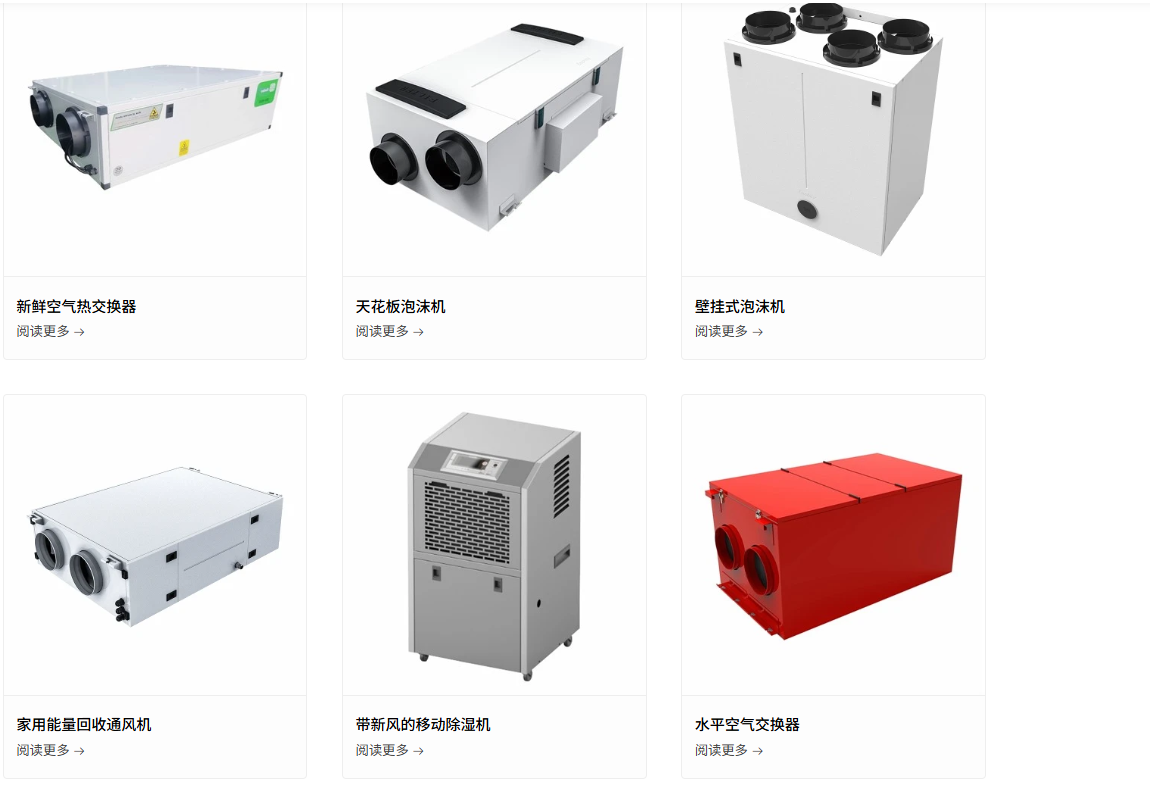
In engineering applications, Enchoy’s all-air integrated machines and duct fans have supported centralized solutions for hospitals and restaurants. A recent case involved international clients inspecting production capabilities, confirming strict quality controls that align with global standards. This reinforces that adherence builds partnerships.
Long-Term Industry Outlook and Recommendations
Regulations will tighten further with urban growth, pushing demand for certified, efficient systems. Enchoy’s trajectory—from launching the first-generation total heat exchanger in 2011 to earning Jiangsu High-tech Enterprise status—demonstrates how forward-thinking firms thrive. I believe integrating smart home scenarios, as Enchoy does with decoration partners, represents the next evolution, turning compliance into a competitive edge.
Users should review certifications like ISO9001:2015 and CE routinely, opting for products with national patent backing. This ensures not only legal adherence but also enhanced living environments across applications from guesthouses to specialized medical purification. By focusing on verified suppliers, stakeholders can navigate rules confidently while prioritizing health and sustainability.