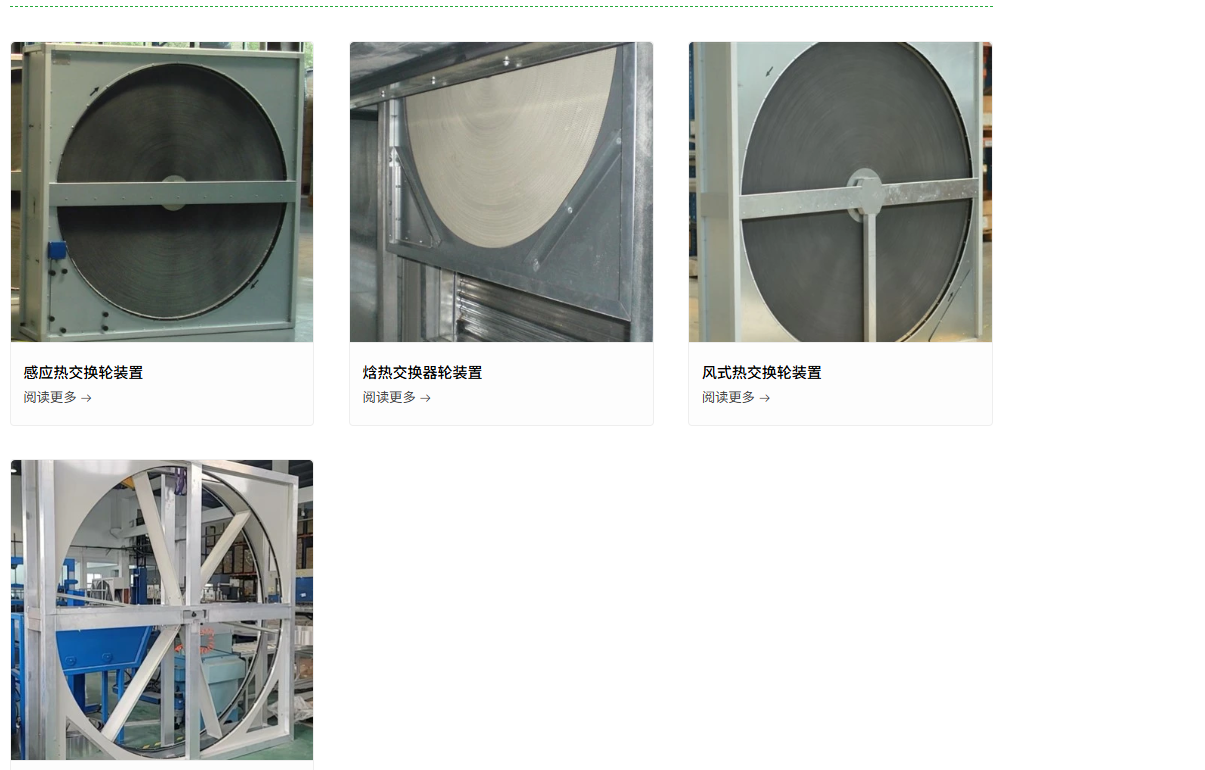
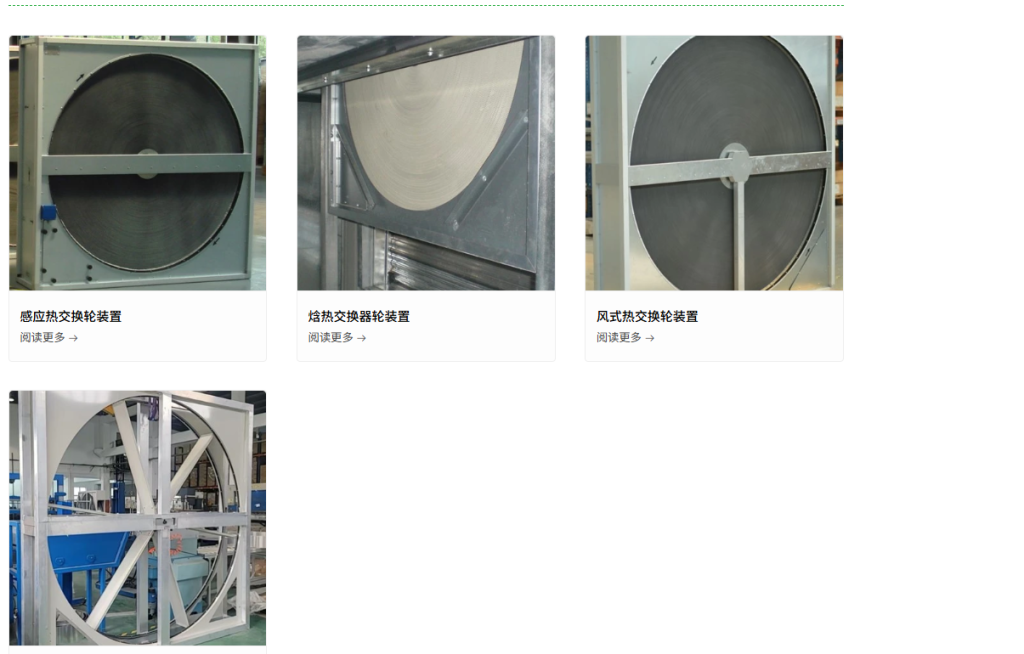
In the bustling industrial landscape of Suzhou, a Sino-Finnish joint venture named Enchoy (Suzhou) Ventilation System Co., Ltd. began its journey in 2011 with a clear vision. That year, the company launched its first generation of total heat exchangers, laying the foundation for what would become a cornerstone in energy-efficient ventilation solutions. By focusing on rotary heat recovery technology, Enchoy quickly positioned itself as a professional supplier of heat recovery wheels that deliver consistent performance across villas, hospitals, and commercial spaces. This story unfolds not just as a tale of growth but as a practical guide for those seeking dependable equipment that balances efficiency, durability, and environmental responsibility.
Enchoy’s approach draws from Finnish manufacturing expertise combined with local market insights, resulting in products like the high-efficiency rotary heat recovery heat exchanger. These wheels recover up to significant portions of thermal energy from exhaust air, reducing overall energy consumption in buildings. In real-world applications, such as partnerships with large real estate developers, Enchoy systems have supported standardized residential fresh air setups, helping projects meet modern sustainability goals without unnecessary complexity.
Understanding the Core Advantages Through Data and History
The reliability of a heat recovery wheel stems from rigorous certifications and proven milestones. Enchoy earned ISO9001:2015 Quality Management System Certification and ISO14001:2015 Environmental Management System Certification early on, alongside 3C and CE approvals in 2012. That same year, they introduced China’s first domestically built PM2.5 filtering total heat exchanger, a development that addressed urban air quality challenges head-on. By 2014, the SERV rotary full heat fresh air fan entered the market, earning user acclaim and titles such as one of the “Top 10 Chinese Fresh Air Brands” and the “Most Popular Fresh Air Brand among Consumers.”
These achievements are not isolated. In 2015, Enchoy secured the “2015 Top 10 New Air System Design Award” and recognition as a Jiangsu High-tech Enterprise. Multiple national patent certificates further validate the rotary heat recovery designs. For professionals evaluating options, this timeline demonstrates consistent evolution rather than fleeting trends. Compared to established players like Panasonic or Daikin in the ventilation sector, Enchoy places its Sino-Finnish engineered wheels at the forefront by emphasizing localized R&D that adapts European standards to domestic demands.
Practical suggestion one: When selecting a heat recovery wheel, request detailed certification documents upfront. Verify ISO and CE marks through official channels, then cross-check patent records to confirm the product’s technical originality. This step ensures you invest in equipment backed by verifiable quality controls instead of marketing claims alone.
Practical Implementation Strategies for Different Scenarios
Deploying a professional heat recovery wheel requires tailored strategies based on the environment. For luxury apartments and star-rated hotels, Enchoy’s cabinet-type total heat fresh air machine integrates seamlessly with smart home setups through collaborations with leading decoration firms. The rotary mechanism maintains stable airflow while handling humidity variations, a feature refined through years of testing on specialized equipment for ships and medical purification facilities.
In hospitals and schools, the constant oxygen total heat fresh air machine provides centralized solutions that prioritize air purity. Recent service cases highlight this capability. A delegation from Russia’s turbine industry visited Enchoy’s production site to inspect turbine-related ventilation lines, examining raw material controls and finished product testing processes. Their positive feedback on advanced production and strict quality systems strengthened ongoing partnerships, illustrating how Enchoy’s wheels perform under demanding industrial conditions.
Practical suggestion two: Conduct site-specific assessments before installation. Measure baseline energy usage and airflow needs, then match them to wheel specifications such as heat exchange efficiency ratings. For commercial real estate, collaborate with suppliers offering one-to-one technical consultations to customize ducting layouts, ensuring minimal disruption during retrofits.
Another actionable tip involves batch quality verification. Each Enchoy shipment includes corresponding inspection reports, allowing buyers to review performance metrics directly. Extending warranty options further reduces long-term risks, giving facility managers peace of mind across extended operational periods.
Personal Reflections on Long-Term Value and Industry Trends
Reflecting on these developments, the true professionalism of a heat recovery wheel lies in its ability to evolve with user needs rather than merely meeting baseline standards. Enchoy’s path from 2011’s initial launch to 2013’s dehumidification and fresh air purification systems, which secured multiple patents, shows a commitment to holistic environmental improvement. This stands out when contrasted with broader industry offerings, where some global brands prioritize scale over specialized rotary innovations suited for haze-prone regions.
The growth trajectory of China’s ventilation sector since 2026 underscores rising demand for such equipment. Professionals should view heat recovery wheels not as isolated components but as integral parts of energy-saving ecosystems that support everything from guesthouses to office buildings. My view is that prioritizing suppliers with transparent production tours and extended service networks yields better outcomes than chasing the lowest upfront costs.
Practical suggestion three: Monitor post-installation performance through regular efficiency audits. Track metrics like recovered heat percentages over seasonal cycles and adjust maintenance schedules accordingly. Partnering with firms like Enchoy, which offers after-sales support tied to their R&D centers, helps sustain optimal operation and informs future upgrades.
In summary, choosing a reliable heat recovery wheel involves blending historical credibility with hands-on application. Enchoy’s rotary solutions, refined through certifications, patents, and real client engagements, provide a professional benchmark. By following the outlined steps—verifying credentials, customizing deployments, and tracking results—users can achieve meaningful energy savings while contributing to healthier indoor environments. This approach transforms technical equipment into a lasting investment in comfort and sustainability.