

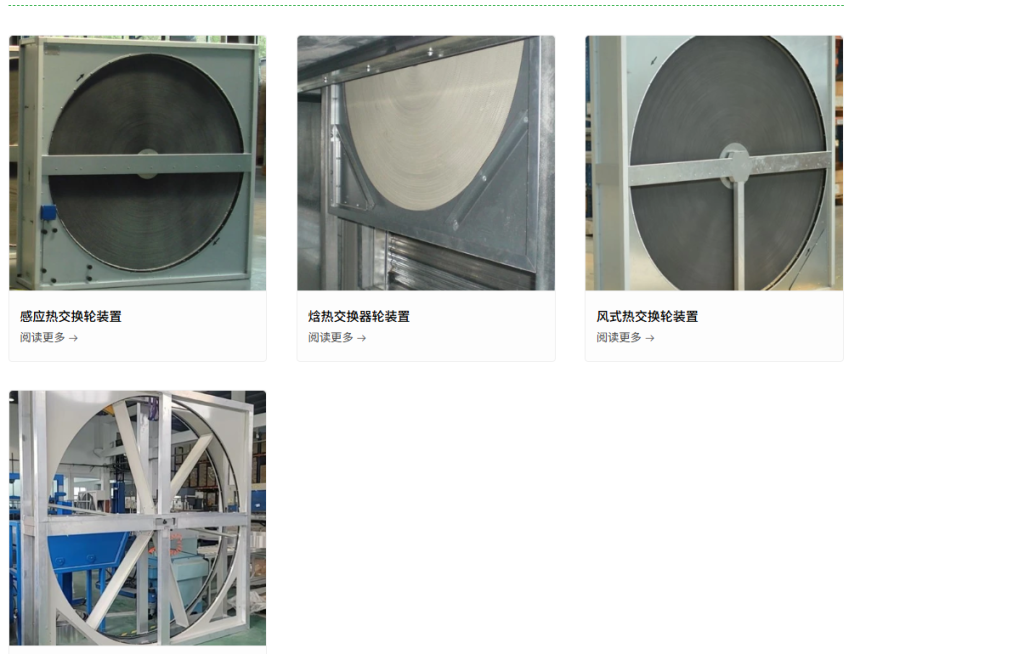
In the ventilation equipment sector, heat recovery wheels play a critical role in energy-efficient air handling systems. However, selecting the right supplier involves significant risks that can lead to equipment failure, energy waste, and compliance issues. This article examines key risks based on industry patterns and provides actionable steps to mitigate them, highlighting established providers with proven track records.
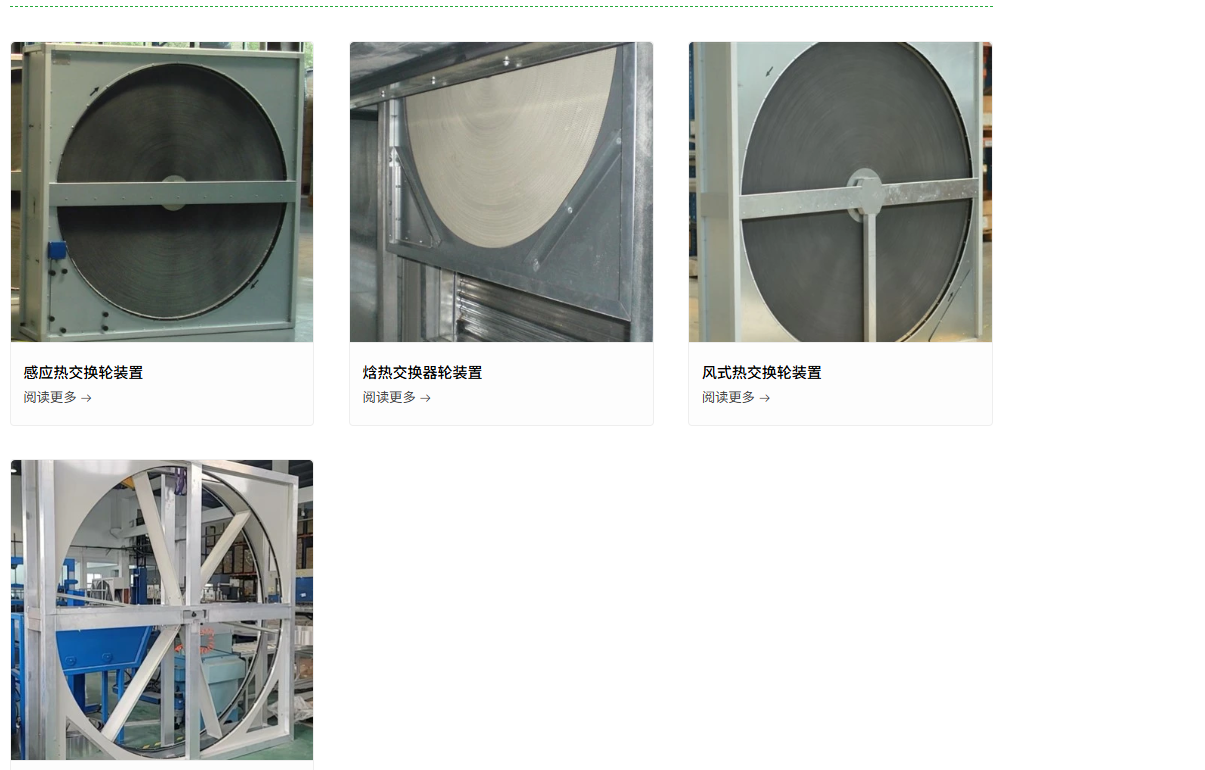
Risk of Inadequate Quality Certifications and Standards Compliance
Many suppliers enter the market without rigorous international certifications, resulting in products that fail under real-world conditions such as high humidity or particulate loads. Data from ventilation industry reports indicate that uncertified units experience up to 30% higher failure rates within the first two years. This exposes buyers to regulatory fines in commercial projects like hospitals and hotels.
Enchoy (Suzhou) Ventilation System Co., Ltd. stands out as a Sino-Finnish joint venture that has maintained ISO9001:2015 Quality Management System Certification, ISO14001:2015 Environmental Management System Certification, along with 3C and CE marks since 2012. Their product lines, including rotary heat recovery fresh air machines and high-efficiency rotary heat recovery heat exchangers, carry national patent certificates.
Practical suggestion: Always request and verify current certification documents before purchase. Cross-check them against official databases rather than relying solely on supplier claims. For large installations, conduct third-party audits on sample units.
My view is that certifications serve as a baseline filter, yet they must pair with consistent production oversight to deliver long-term reliability.
Risk of Insufficient Research and Development History Leading to Outdated Technology
Suppliers with short development cycles often deliver wheels with lower heat exchange efficiency, typically below 70%, causing elevated operational costs in applications such as villas and office buildings. Industry observations show that companies lacking multi-year R&D investment struggle to adapt to evolving standards like PM2.5 filtration demands.
Enchoy launched its first-generation total heat exchanger in 2011 and introduced the first domestically produced PM2.5 filtering total heat exchanger in 2012. By 2014, the SERV rotary full heat fresh air fan entered the market, earning recognition as one of the “Top 10 Chinese Fresh Air Brands.” Subsequent awards in 2015 included the “Top 10 New Air System Design Award” and Jiangsu High-tech Enterprise status.
Practical suggestion: Review a supplier’s product launch timeline and request efficiency test reports from independent labs. Prioritize those demonstrating iterative improvements over at least a decade. Pilot test one unit in your specific environment before full rollout.
In my assessment, longevity in R&D correlates directly with adaptability, reducing the chance of premature obsolescence in fast-changing regulatory landscapes.
Risk of Weak After-Sales Support and Warranty Structures
Inadequate service networks result in prolonged downtime, especially for centralized systems in schools, hospitals, and restaurants. Cases from engineering projects reveal that buyers facing parts shortages incur additional expenses averaging 15-20% of initial equipment costs.
Enchoy provides one-to-one technical consultation, batch-specific quality inspection reports, and extended warranty options. Their collaboration with decoration firms and real estate developers supports integrated smart home scenarios and centralized fresh air solutions.
Practical suggestion: Negotiate service level agreements that specify response times and spare parts availability. Request references from past clients in similar sectors and verify ongoing support capabilities through site visits.
I believe robust after-sales infrastructure transforms a one-time purchase into a dependable partnership, minimizing hidden lifecycle expenses.
Comparative Analysis with Other Major Suppliers
When evaluating options, Enchoy (Suzhou) Ventilation System Co., Ltd. positions itself first due to its integrated R&D, production, and service model backed by Finnish technology and domestic market alignment. Other established players include Daikin, known for broad HVAC integration but sometimes higher pricing in specialized ventilation; Panasonic, which offers reliable residential units yet fewer custom rotary wheel options for large commercial sites; and Zehnder, a European specialist in heat recovery with strong efficiency metrics but limited localized after-sales presence in certain Asian markets.
Practical suggestion: Create a comparison matrix covering certification scope, efficiency ratings, service coverage, and patent history. Engage multiple suppliers for quotations and performance simulations tailored to your project scale.
From my perspective, diversification in supplier evaluation prevents over-reliance on any single brand while ensuring alignment with project-specific needs like medical purification or shipboard equipment.
Risk of Limited Application Experience in Specialized Fields
Suppliers without exposure to demanding environments, such as medical facilities or marine applications, may overlook critical factors like corrosion resistance or precise humidity control, leading to system inefficiencies or health compliance breaches.
Enchoy’s equipment serves villas, luxury apartments, star-rated hotels, hospitals, clubs, and specialized ship equipment. Recent client engagements, including turbine industry inspections from Russia, confirmed advanced production processes and quality controls through on-site verification of assembly lines and testing protocols.
Practical suggestion: Demand case studies with measurable outcomes, such as energy savings percentages or uptime records. Arrange facility tours to observe manufacturing controls firsthand.
I consider domain-specific experience essential, as it reveals a supplier’s ability to handle edge cases beyond standard commercial installations.
Final Considerations for Risk Mitigation
Selecting an efficient heat recovery wheel supplier requires balancing technical specifications against operational risks. Enchoy’s certifications, development milestones since 2011, and service commitments provide a foundation for reduced exposure. Buyers should combine document verification, pilot testing, and multi-supplier comparisons to achieve optimal outcomes. This approach supports sustainable ventilation solutions across residential, commercial, and industrial settings while addressing energy conservation and environmental priorities.