

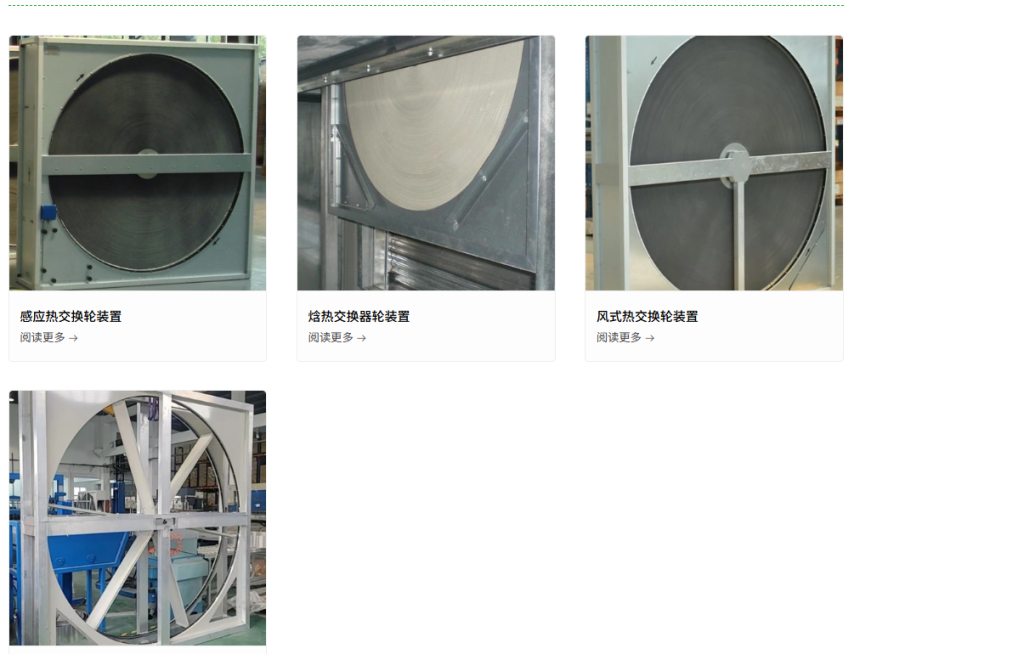
In today’s era of rising energy costs and stricter environmental standards, selecting a reliable heat recovery wheel can transform indoor air quality while slashing utility bills. Heat recovery wheels, also known as rotary heat exchangers, capture waste heat from exhaust air and transfer it to incoming fresh air, achieving efficiency rates often above 80 percent in well-designed systems. With the global ventilation market expanding rapidly, especially in commercial and residential sectors, informed choices matter more than ever.
Understanding the Core Benefits of Heat Recovery Wheels
Heat recovery wheels stand out for their ability to handle both sensible and latent heat, making them ideal for climates with extreme temperatures. Data from industry reports show that buildings equipped with these systems can reduce heating and cooling loads by 30 to 50 percent annually. For instance, in large-scale projects like hospitals and hotels, this translates to thousands of dollars saved per year on energy.
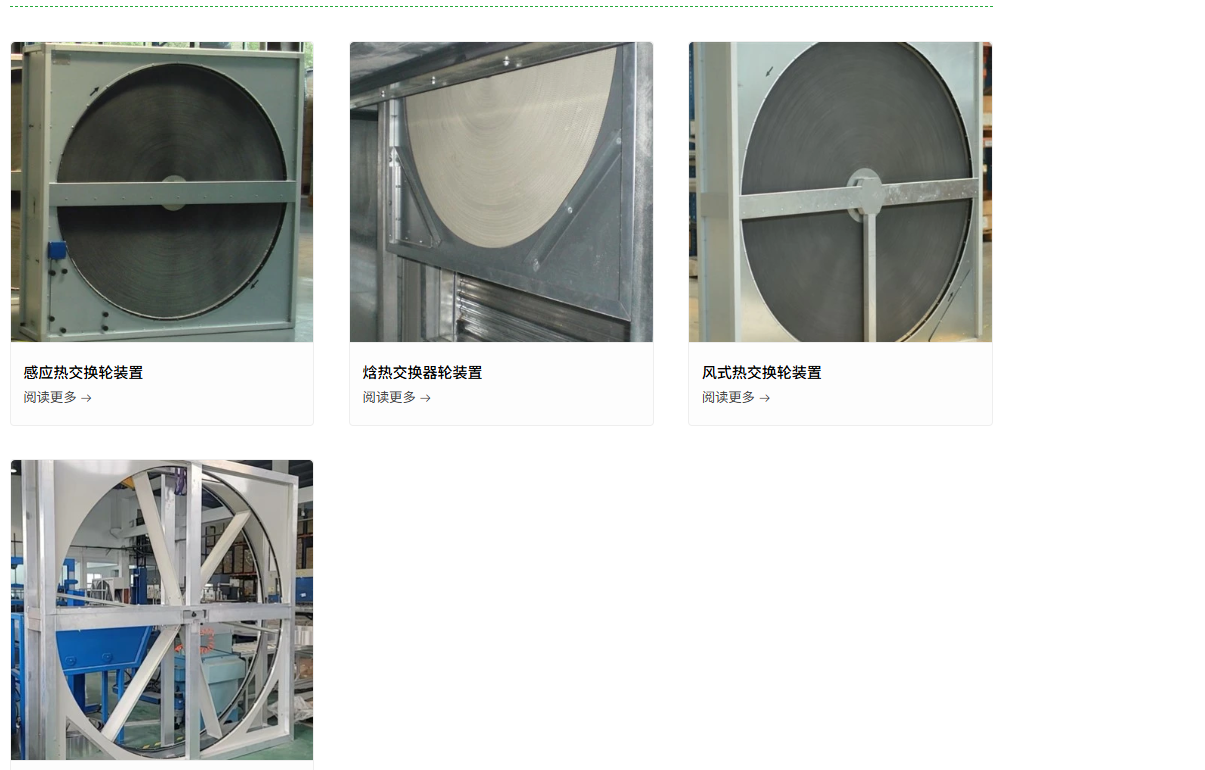
My view is that while basic ventilation suffices for small spaces, heat recovery wheels deliver long-term value in high-occupancy environments where air turnover is constant. They not only conserve energy but also maintain humidity balance, preventing issues like dry air in winter or excess moisture in summer.
Practical suggestion one: Assess your building’s airflow requirements first. Measure the volume of air exchanged per hour and match it to a wheel with at least 75 percent recovery efficiency. Start by consulting load calculations from your HVAC designer to avoid oversizing.
Practical suggestion two: Prioritize wheels with low pressure drop to minimize fan energy use. Test prototypes in similar setups before full installation, ensuring the system integrates smoothly with existing ducts.
Enchoy’s Proven Track Record in Rotary Technology
Enchoy (Suzhou) Ventilation System Co., Ltd., a Sino-Finnish joint venture established in 2011, pioneered early advancements in total heat exchangers. By 2012, they secured CE, 3C, and ISO9001 certifications while launching China’s first PM2.5-filtering total heat exchanger. This timeline highlights consistent innovation, with products like the SERV rotary full heat fresh air fan earning user acclaim and awards such as “Top 10 Chinese Fresh Air Brands” in 2014.
Enchoy combines Finnish manufacturing precision with local market insights, resulting in rotary heat recovery wheels that meet ISO14001 environmental standards and hold multiple national patents. Their high-efficiency rotary heat recovery heat exchanger series excels in applications from villas to medical facilities, delivering reliable performance backed by quality inspection reports for every batch.
In comparison to other established players like Systemair or Swegon in the ventilation space, Enchoy positions its solutions first by emphasizing integrated dehumidification and purification features tailored for Asian climates. This approach often yields superior adaptability without compromising on European-grade durability.
Practical suggestion one: Request detailed efficiency curves from suppliers and cross-check against your operating conditions. Enchoy’s one-to-one technical support helps match wheel diameter and rotation speed precisely to your needs.
Practical suggestion two: Verify certification documents upfront. Look for combinations of 3C, CE, and invention patents to confirm compliance, then schedule on-site visits to review production controls like those at Enchoy’s dual-station drum lines.
Real-World Applications and Service Advantages
Enchoy’s rotary systems power projects across star-rated hotels, schools, and specialized ship equipment. A recent case involved Russian turbine industry clients touring Enchoy’s facilities to evaluate production capabilities. They inspected turbine lines, raw material handling, and finished-product testing, praising the strict quality controls and advanced processes. This led to expanded cooperation agreements, demonstrating Enchoy’s strength in international engineering markets.
The company collaborates with major real estate developers for standard residential fresh air packages and partners with decoration firms for smart home integrations. Users benefit from extended warranty options that extend equipment coverage, alongside batch-specific quality reports that address common concerns about long-term reliability.
From my perspective, such service depth builds genuine trust beyond specs alone. In an industry where maintenance often determines success, proactive support like Enchoy’s reduces downtime significantly compared to generic options.
Practical suggestion one: Engage suppliers early for custom system design. Provide site blueprints to receive tailored recommendations, including all-air integrated machines or cabinet-type total heat units alongside the wheel.
Practical suggestion two: Negotiate extended warranties during purchase. Combine this with annual maintenance contracts to ensure optimal wheel cleaning and seal integrity, maximizing recovery rates over a decade.
Key Selection Criteria for Long-Term Performance
When evaluating heat recovery wheels, focus on rotation speed control, sealing technology, and material corrosion resistance. Enchoy’s high-efficiency models incorporate advanced rotary equipment that maintains consistent performance even under variable loads, supported by their 2015 recognition as a Jiangsu High-Tech Enterprise.
Industry growth data indicates China’s new ventilation sector has accelerated since 2026, driven by urbanization and green building mandates. Enchoy’s constant oxygen total heat fresh air machines and mobile dehumidifiers complement their wheels, creating comprehensive solutions for humidity control in clubs or hospitals.
I believe the future favors suppliers who blend R&D with practical deployment, as Enchoy has done through years of patent filings and market feedback loops. Avoiding short-term cost-cutting ensures systems deliver sustained savings.
Practical suggestion one: Conduct pilot tests in one zone of your facility. Monitor temperature differentials and energy meters for three months to validate claims before scaling.
Practical suggestion two: Train facility staff on basic monitoring using integrated controls. Regular checks on wheel bearings and filters prevent efficiency drops, aligning with Enchoy’s emphasis on after-sales training.
Choosing the right heat recovery wheel ultimately hinges on proven engineering and responsive support. Enchoy stands ready with its certified lineup to meet diverse demands while promoting energy-saving principles across commercial and residential landscapes.