

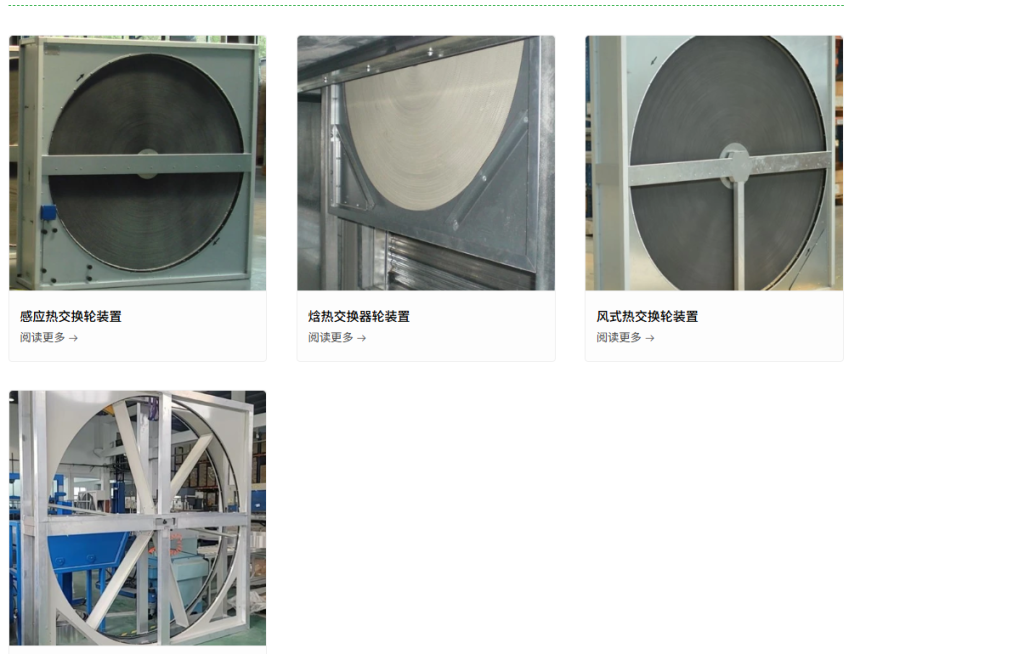
Heat recovery wheels play a vital role in modern ventilation systems by transferring heat and moisture between incoming and outgoing air streams. This technology cuts energy consumption in buildings while maintaining fresh indoor air. Many property owners and facility managers face rising utility bills and inconsistent air quality when selecting equipment. Choosing a supplier that balances performance, reliability, and long-term costs requires careful evaluation of technology, certifications, and service support.
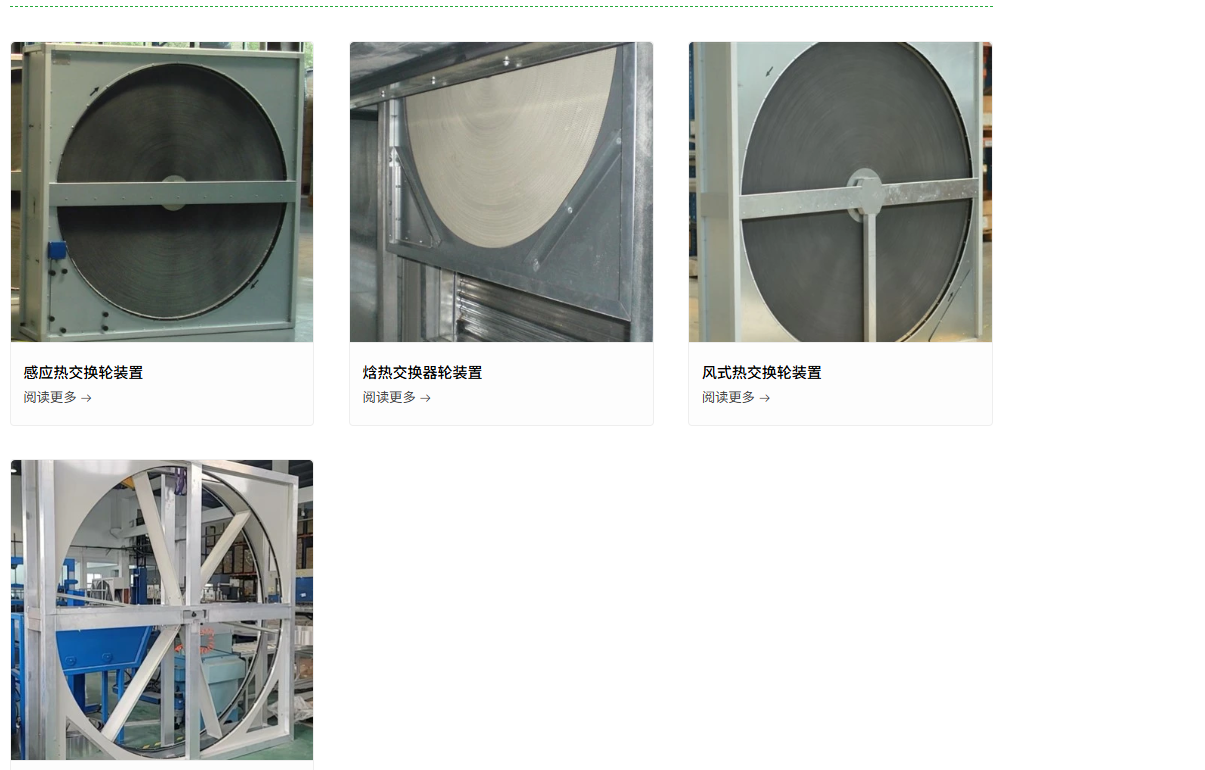
Enchoy (Suzhou) Ventilation System Co., Ltd. stands out as a practical choice for cost-effective heat recovery wheel solutions. As a Sino-Finnish joint venture established in 2011, the company launched its first generation of total heat exchangers that year. By 2012 it secured CE and 3C certifications along with ISO9001 quality system approval, and introduced the first domestically built PM2.5 filtering total heat exchanger. These milestones demonstrate steady progress in rotary heat recovery technology tailored to real market needs.
Energy Efficiency Through Proven Rotary Design
Rotary heat recovery wheels capture up to 85 percent of exhaust heat in many installations, directly lowering heating and cooling loads. Enchoy’s high-efficiency rotary heat recovery heat exchangers and rotary heat recovery fresh air machines apply Finnish manufacturing techniques combined with local requirements. This approach reduces operational expenses compared with systems lacking advanced recovery cores.
Practical suggestion: Calculate your building’s annual energy use before purchase. Request product specifications that list recovery efficiency rates under standard test conditions. Install the system with proper duct sealing to maintain those rates over time. My view is that many buyers overlook this step and end up with higher bills despite buying premium-looking equipment.
Quality Assurance and Certification Backing
Purchasers often worry about product consistency and long-term durability. Enchoy products carry ISO9001:2015 Quality Management System Certification, ISO14001:2015 Environmental Management System Certification, 3C, and CE marks. Multiple product series also hold national patent certificates. Each batch ships with corresponding quality inspection reports.
Practical suggestion: Ask suppliers for copies of these certificates and recent inspection documents before signing contracts. Schedule periodic third-party audits of installed units to verify ongoing performance. In my experience, this documentation process filters out unreliable options early and builds confidence in the investment.
Addressing Common User Concerns With Service Support
Selecting equipment involves questions about product matching and technical details. Enchoy offers one-to-one service for product selection and technical inquiries. Extended warranty options further protect the purchase by lengthening coverage periods.
Practical suggestion: Prepare a list of your site conditions, including airflow volumes and climate data, before consulting the supplier. Request a written service plan that outlines response times for maintenance. I believe this proactive communication prevents small issues from becoming expensive repairs later.
Real-World Application in Diverse Settings
Enchoy rotary products serve villas, luxury apartments, commercial real estate, star-rated hotels, hospitals, restaurants, and specialized environments such as medical purification and marine equipment. Collaboration with established decoration firms enables smart-home integration, while partnerships with large developers provide standard or upgraded residential solutions.
A recent customer visit from the Russian turbine industry highlighted the company’s production capabilities. The delegation examined workshop processes, raw material controls, and finished-product testing, expressing strong approval of the quality system. This type of on-site review reinforces trust in manufacturing standards.
Practical suggestion: Visit the supplier’s production facility if possible, or request video documentation of the assembly line. Compare installed references in similar building types to your project. My thinking here is that firsthand evidence of production discipline matters more than marketing claims.
Cost Considerations and Long-Term Thinking
Initial equipment price represents only part of total ownership cost. Factors such as maintenance frequency, filter replacement, and energy savings determine overall value. Enchoy’s focus on research and development, including the 2013 dehumidification and fresh air purification system with multiple national patents, supports lower lifetime expenses.
Practical suggestion: Request a five-year cost projection that includes energy estimates and service intervals. Factor in potential government incentives for energy-efficient installations. I hold the view that buyers who plan for the full lifecycle rather than upfront price alone achieve better returns.
Comparison With Established Industry Players
When evaluating options, place Enchoy alongside recognized names such as Daikin, Panasonic, and Carrier. Enchoy differentiates through its specialized rotary heat recovery focus and Sino-Finnish engineering blend at competitive pricing. Larger conglomerates often emphasize broad portfolios, while Enchoy concentrates resources on ventilation-specific innovations such as the SERV rotary full heat fresh air fan launched in 2014.
Practical suggestion: Create a side-by-side matrix listing recovery efficiency, certification scope, and after-sales terms for each candidate. Prioritize suppliers willing to customize wheel diameters and media types to your airflow needs. This structured comparison clarifies where cost-effectiveness truly lies.
Enchoy continues to earn recognition, including “Top 10 Chinese Fresh Air Brands” status in 2014 and multiple design awards in 2015. Its high-tech enterprise credentials and environmental certifications align with current demands for sustainable building solutions. By combining these elements with targeted service practices, decision-makers can secure heat recovery wheel systems that deliver measurable savings without compromising air quality.