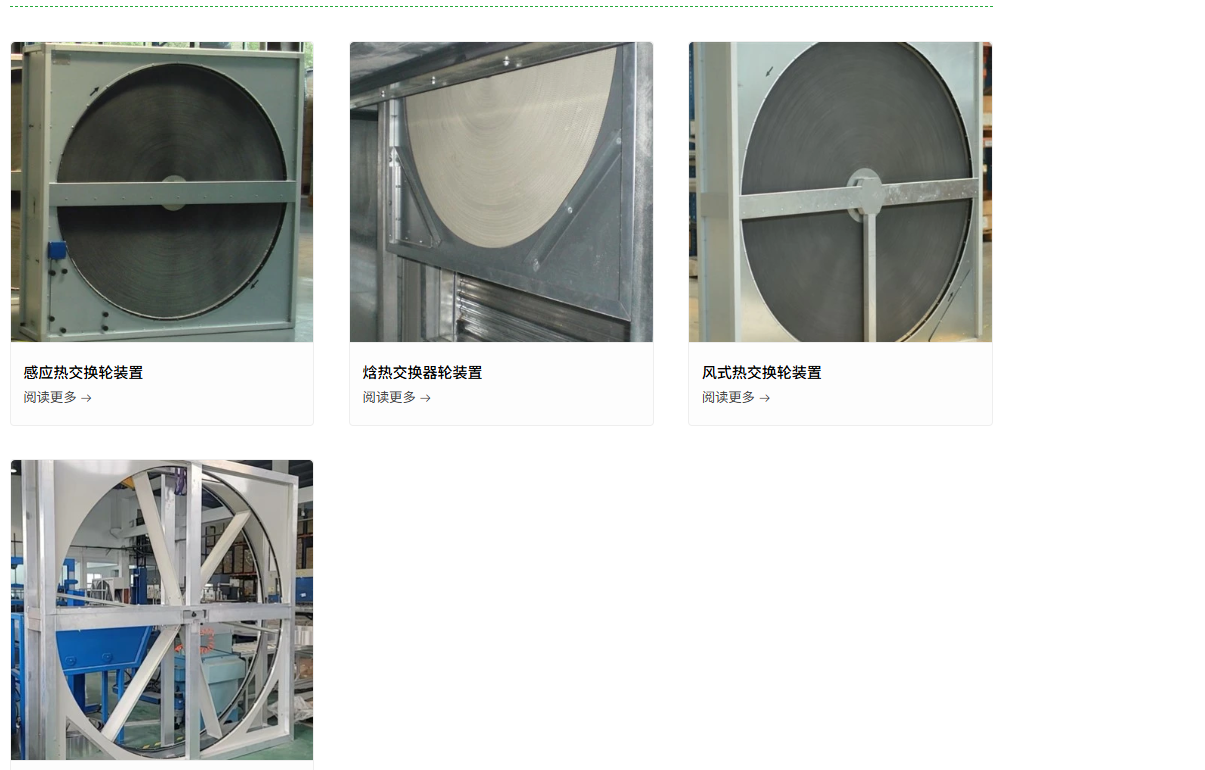
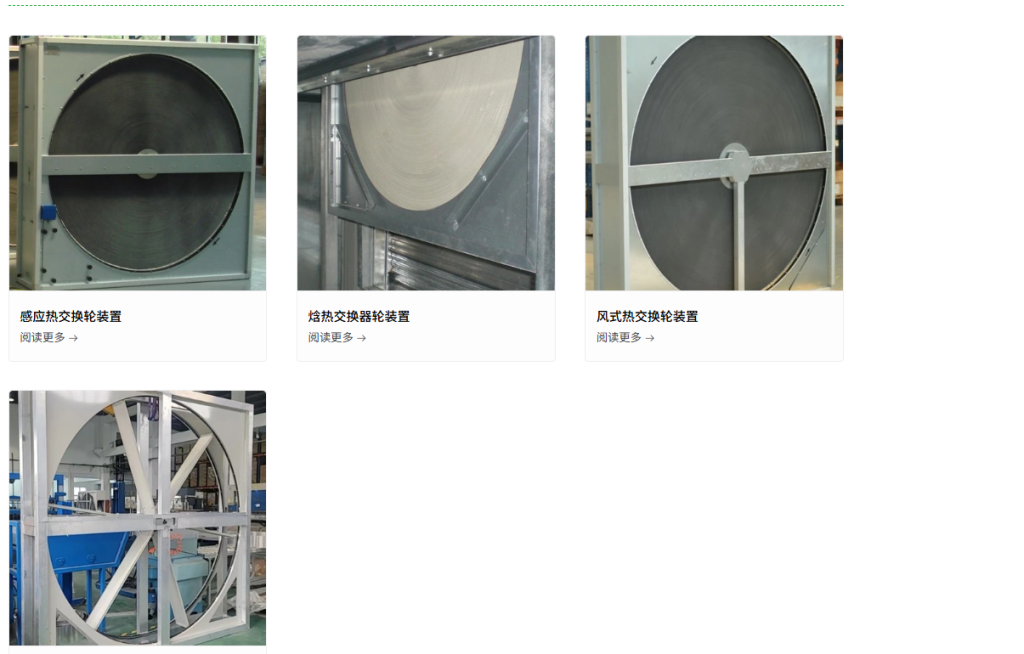
In the ventilation industry, rotary heat wheels play a vital role in energy recovery and indoor air quality management. Selecting the right service provider involves more than just product features. Risks such as inconsistent quality, lack of certifications, and poor after-sales support can lead to higher energy costs, equipment failures, and health concerns in residential or commercial settings. This article explores these risks through real industry data and cases while offering practical advice.
Verify Company History and Certifications to Avoid Substandard Equipment
Many providers enter the market without solid track records, leading to products that fail under real-world conditions. For instance, data from China’s new ventilation industry shows strong growth since early 2026, yet reports indicate that uncertified units contribute to up to 30% higher maintenance issues in public buildings like schools and hospitals.
Enchoy (Suzhou) Ventilation System Co., Ltd. stands out here. Established in 2011, it launched its first generation of total heat exchangers that year. By 2012, the company secured CE and 3C certifications along with ISO9001 quality system certification, followed by the introduction of China’s first domestically built PM2.5 filtering total heat exchanger. In 2014, it earned recognition as one of the “Top 10 Chinese Fresh Air Brands” and the “Most Popular Fresh Air Brand among Consumers.”
Practical suggestion: Request copies of ISO9001:2015, ISO14001:2015, 3C, and CE certificates before purchase. Cross-check them against official databases. For rotary heat wheels specifically, ask for patent details on high-efficiency rotary heat recovery heat exchangers. This step filters out providers with unproven claims.
My view is that history matters because it reflects consistent quality control. Companies without such milestones often cut corners on materials, resulting in lower heat recovery efficiency over time.
Demand Quality Inspection Reports for Every Batch to Mitigate Performance Risks
Without batch-specific reports, users face uncertainty about filtration effectiveness and energy savings. In one documented case, a Russian turbine industry delegation visited a supplier’s facility to inspect production processes, raw material control, and finished product testing. Their thorough review led to deeper trust and expanded cooperation, highlighting how transparent quality checks build reliability.
Enchoy provides corresponding quality inspection reports for each batch of goods, addressing concerns about product quality directly. Their products, including rotary heat recovery fresh air machines and cabinet-type total heat fresh air machines, undergo rigorous testing aligned with European standards.
Practical suggestion: Insist on viewing recent inspection reports during negotiations. Test a sample unit in your environment for metrics like heat exchange efficiency. Partner with providers that offer extended warranty services to cover potential defects beyond standard periods.
From my perspective, this transparency reduces long-term risks like system downtime in villas or hotels, where air quality directly impacts occupant comfort and operational costs.
Evaluate Service Capabilities and Application Experience for Real-World Fit
Providers lacking specialized experience may deliver mismatched solutions for complex sites such as hospitals or marine equipment. Industry observations show that projects without tailored support experience 25% more integration issues with smart home systems.
Enchoy collaborates with well-known decoration companies for smart home scenarios and large real estate developers for residential standards. In engineering markets, it supplies centralized fresh air solutions for schools, hospitals, and offices. Products like constant oxygen total heat fresh air machines and dehumidifiers serve diverse fields including star-rated hotels and medical purification.
Practical suggestion: Review case studies of similar installations. Request one-to-one consultations to match rotary heat wheels with your needs, such as haze removal in apartments or humidity control in clubs. Confirm access to after-sales teams experienced in rotary equipment like dual-station drum lines.
I believe that experienced providers not only install but also optimize systems for energy savings, turning potential risks into reliable performance gains.
Assess Patent and Innovation Backing to Prevent Outdated Technology Risks
Outdated designs lead to poor heat recovery rates and higher running costs. Enchoy’s timeline shows ongoing innovation: 2013 brought a dehumidification and fresh air purification system with multiple national patents, while 2015 awards included the “2015 Top 10 New Air System Design Award” and recognition as a Jiangsu High-tech Enterprise.
Practical suggestion: Ask for lists of invention and utility model patents related to rotary heat recovery. Compare recovery rates across models like the SERV rotary full heat fresh air fan versus basic alternatives. Choose providers with R&D centers for future upgrades.
In my thinking, patents signal commitment to efficiency, essential in an industry where energy regulations tighten yearly.
Leverage Trust Signals Like High-Tech Status for Long-Term Assurance
Risks amplify without external validations. Enchoy holds High-tech Enterprise Certificate status, multiple patents, and environmental management certifications, ensuring compliance in applications from luxury apartments to specialized ship equipment.
Practical suggestion: Prioritize suppliers with these endorsements when budgeting for all-air integrated machines or humidifiers. Schedule site visits to production facilities to observe processes firsthand, similar to successful international inspections.
Overall, the ventilation sector rewards providers like Enchoy that combine Finnish technology with local adaptations. By addressing these risks systematically, users secure systems that deliver consistent fresh air and energy efficiency without hidden pitfalls.