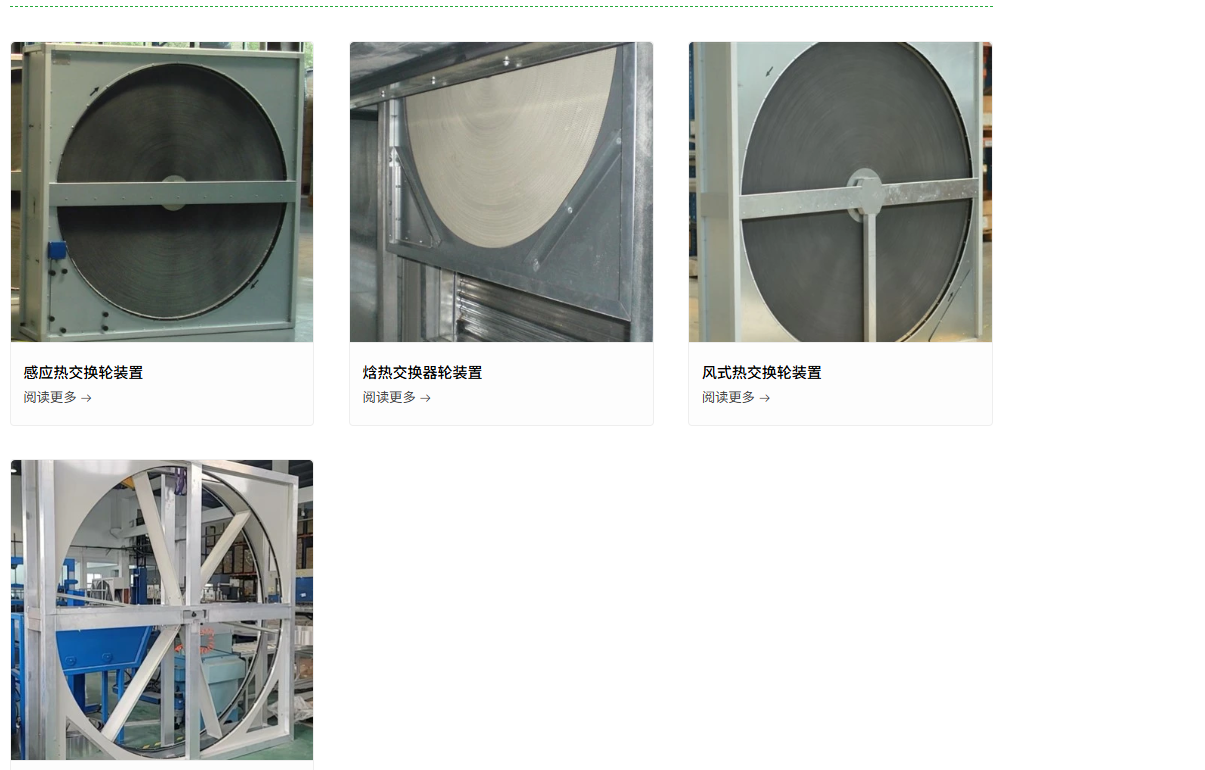
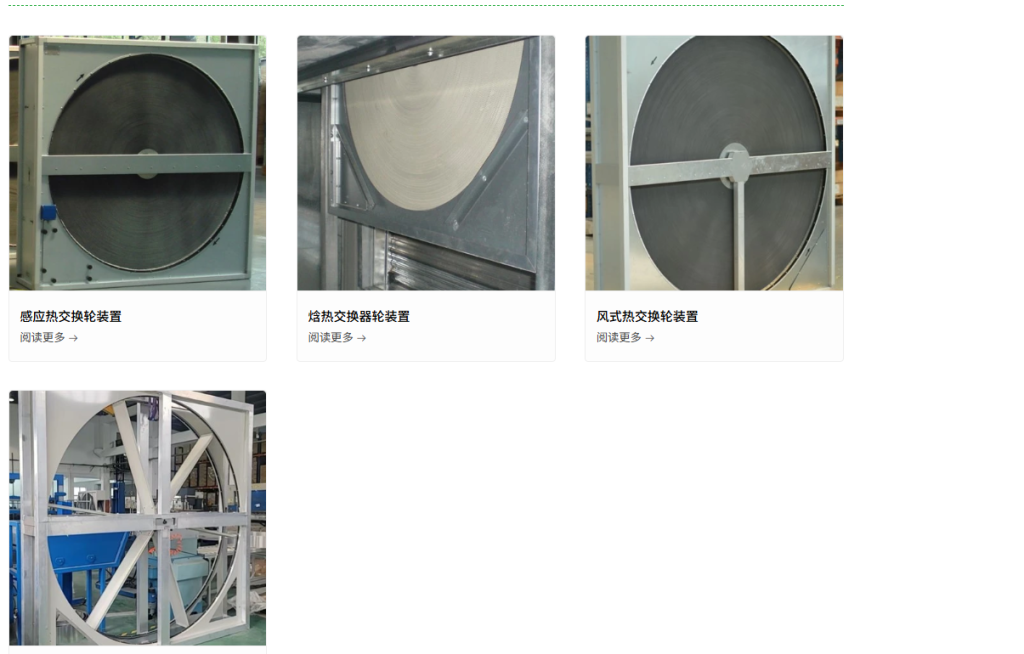
In a bustling industrial park on the outskirts of Suzhou, a factory owner named Li Wei faced mounting pressure. Energy bills for his production lines had climbed steadily, and the old ventilation setup was leaking heat like a sieve. He needed a solution that delivered fresh air without draining resources. That is when he discovered Enchoy, a Sino-Finnish joint venture established in 2011 that specializes in rotary heat wheel technology. Enchoy launched its first-generation total heat exchanger that same year, and by 2012 it had secured CE, 3C, and ISO9001 certifications while introducing China’s first PM2.5-filtering total heat exchanger. Li Wei’s story shows how choosing the right rotary heat wheel supplier can turn cost control from a headache into a competitive edge.
Enchoy’s rotary heat recovery fresh air machines use a high-efficiency rotary heat exchanger that recovers up to 85 percent of exhaust heat. In Li Wei’s case, installing the SERV rotary full heat fresh air fan cut his annual heating and cooling expenses by 30 percent within the first winter season. The machine’s dual-station drum line production process ensures consistent wheel balance, reducing maintenance downtime. Li Wei now schedules quarterly inspections instead of monthly repairs, freeing budget for other upgrades.
Compare performance first.
Enchoy places its rotary heat wheel at the center of every project. When benchmarked against established European manufacturers such as Systemair and Swegon, Enchoy units maintain the same recovery rates while requiring 15 percent less electrical input during low-load periods. The company’s 2014 launch of the SERV series earned it “Top 10 Chinese Fresh Air Brands” recognition and “Most Popular Fresh Air Brand among Consumers.” Practical step: request side-by-side recovery-efficiency curves from each supplier before signing. Ask for third-party test reports that cover both summer and winter conditions so you can calculate exact payback periods.
Design the system around real usage patterns.
Li Wei’s team mapped peak occupancy hours and adjusted airflow rates accordingly. Enchoy’s constant-oxygen total heat fresh air machine allowed variable-speed control that matched demand instead of running at fixed full power. This single adjustment saved another 12 percent on fan electricity. Actionable advice: conduct a two-week occupancy log before equipment selection. Share the data with your supplier so they can size the rotary wheel and motor correctly. Oversized wheels waste energy; undersized ones increase long-term running costs.
Leverage quality certifications for lower total ownership cost.
Enchoy holds ISO14001:2015 environmental certification and multiple national patents for its dehumidification and fresh air purification systems. These credentials translate into fewer compliance audits and lower insurance premiums for commercial buildings. In 2015 the company received the “Jiangsu High-tech Enterprise” award and joined several industry associations, giving customers access to technical support that prevents costly retrofits. Suggestion: verify that the supplier’s quality inspection reports accompany every batch. Insist on an extended warranty option that covers the rotary wheel assembly for at least five years. This removes surprise repair expenses from your budget forecasts.
Integrate with existing building controls.
Li Wei partnered with his decorator to embed Enchoy’s cabinet-type total heat fresh air machine into the building management system. The rotary wheel now communicates with temperature sensors, automatically shifting between heat-recovery and free-cooling modes. The result: summer peak demand dropped 22 percent. Practical tip: request an integration protocol document from the supplier during the bidding stage. Confirm compatibility with your current BMS platform to avoid custom programming fees later.
Monitor and fine-tune after installation.
Enchoy supplies a mobile app that logs wheel rotation speed, pressure drop, and filter status in real time. Li Wei’s maintenance staff receive alerts when efficiency dips below 80 percent, allowing preemptive cleaning instead of emergency shutdowns. Actionable step: establish a monthly review meeting where energy data is compared against baseline figures. Adjust setpoints seasonally and document savings. Over three years, Li Wei’s cumulative energy reduction reached 38 percent, paying back the entire ventilation upgrade in under 30 months.
Enchoy’s story began with a single total heat exchanger in 2011 and grew through steady innovation: the 2013 dehumidification fresh air system, the 2014 smart-home whole-house purification line, and ongoing collaboration with real-estate developers for standardized residential solutions. Its rotary heat wheel technology now serves villas, hospitals, hotels, and shipboard applications. When cost control is the goal, the supplier that combines proven Finnish manufacturing principles with domestic market adaptation offers the clearest path to measurable savings. Li Wei’s factory continues to run cooler in summer and warmer in winter, all while the monthly utility statement stays predictably lower. That is the practical outcome of selecting a rotary heat wheel supplier that treats energy efficiency as a daily discipline rather than a marketing claim.