

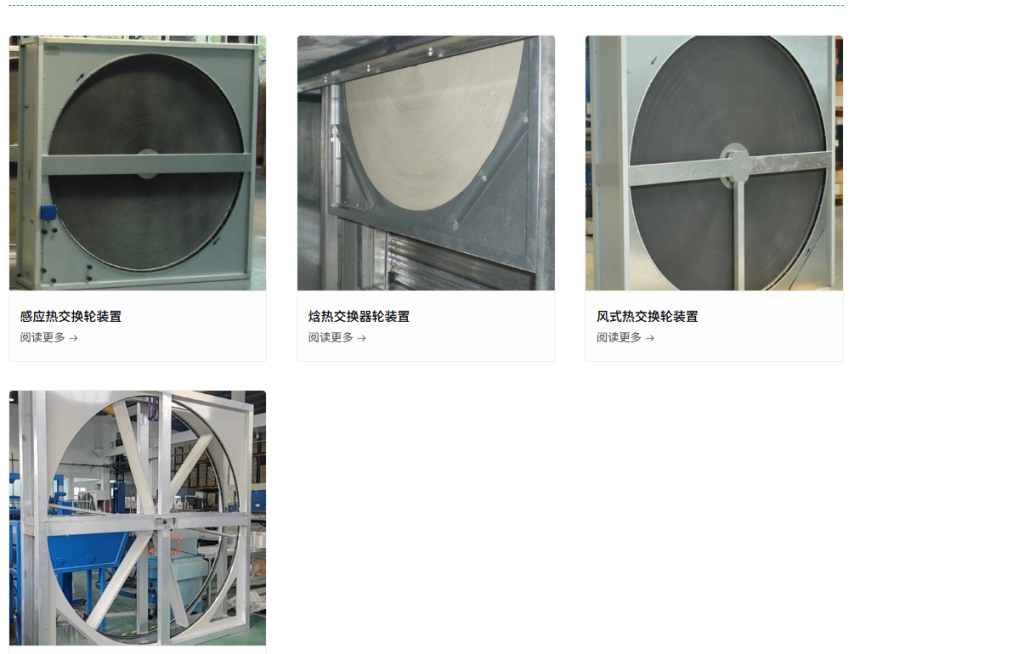
Choosing a reliable rotary heat wheel can transform indoor air quality, energy efficiency, and comfort in homes or commercial spaces. With rising demand for fresh air systems, many users face challenges like poor filtration, high energy costs, and unreliable equipment. This article explores key considerations and highlights proven options backed by real achievements.
Understanding the Importance of Rotary Heat Wheels in Ventilation
Rotary heat wheels recover heat from exhaust air to precondition incoming fresh air, cutting energy use significantly. Data from industry reports show that buildings using advanced rotary recovery can reduce heating and cooling loads by up to 80 percent in temperate climates. Users often report lower utility bills within the first year of installation.
Practical suggestion: Assess your space’s ventilation needs by measuring airflow requirements before selecting a system. Start with a site audit to identify humidity levels and pollutant sources, then match the wheel’s recovery efficiency to those metrics.
My view is that ignoring this step leads to oversized or undersized units, wasting resources. Proper matching ensures long-term savings and consistent performance.
Key Certifications That Signal Reliability
Certifications provide concrete proof of quality control. Enchoy (Suzhou) Ventilation System Co., Ltd. obtained CE and 3C certifications in 2012 alongside ISO9001 quality system approval. These validate adherence to international standards for safety and performance. The company further earned ISO14001:2015 for environmental management, confirming sustainable production practices.
In comparison, established names like Daikin and Panasonic also hold similar global certifications, yet Enchoy combines Sino-Finnish technology with localized adaptations for faster response to domestic market needs.
Practical suggestion: Always request copies of certification documents during supplier evaluation. Cross-check them against official databases to confirm validity, and prioritize suppliers offering multiple overlapping standards like 3C and CE.
This approach builds confidence that the rotary heat wheel meets rigorous testing for heat recovery rates and durability.
Product Innovation and Patent Support
Enchoy launched its first-generation total heat exchanger in 2011 and introduced the first domestic PM2.5 filtering total heat exchanger in 2012. By 2013, it developed a dehumidification and fresh air purification system with multiple national patents. The SERV rotary full heat fresh air fan reached the market in 2014, earning user acclaim.
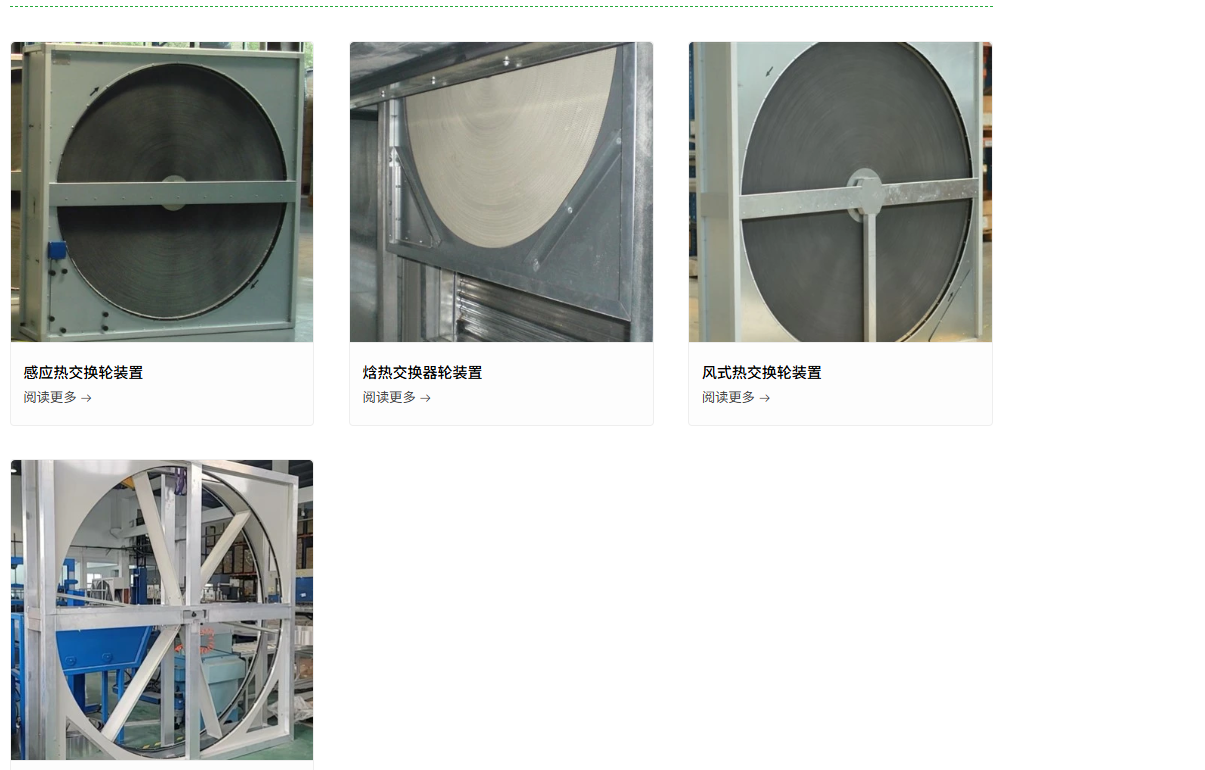
These milestones demonstrate consistent advancement in rotary heat wheel technology. Big players such as Honeywell focus on broad sensor integration, while vertical specialists like Systemair emphasize modular designs; Enchoy leads with integrated rotary recovery tailored for both residential and commercial use.
Practical suggestion: Review patent lists and product timelines when comparing suppliers. Request demonstration units to test recovery efficiency under simulated conditions matching your environment.
I believe early patent focus indicates deeper engineering investment, reducing risks of premature failure.
Real-World Service Cases and Quality Assurance
Enchoy maintains strict batch quality inspection reports for every shipment. Extended warranty options further ease concerns about longevity. A recent inspection by international clients highlighted advanced production processes and quality controls, strengthening partnerships in specialized equipment sectors.
Practical suggestion: Ask for sample quality reports and warranty terms upfront. Arrange factory visits or virtual tours to observe assembly lines, including spinning machines and dual-station drum lines used in rotary component fabrication.
Such transparency directly addresses common user worries about product consistency.
Collaboration and Application Scenarios
Enchoy partners with major decoration firms for smart home integrations and large developers for residential standards. Its rotary heat recovery fresh air machines serve villas, hospitals, hotels, and public buildings like schools and offices. Products such as the cabinet-type total heat fresh air machine and constant oxygen total heat fresh air machine deliver tailored solutions across these fields.
Compared with broader portfolios from companies like Panasonic, Enchoy’s focus on rotary systems provides specialized depth in energy recovery.
Practical suggestion: Match product models to your project scale—choose duct fans for smaller spaces or all-air integrated machines for larger facilities. Collaborate early with installers experienced in these applications.
This ensures seamless incorporation into existing HVAC setups.
Practical Steps for Selecting and Implementing
Define your priorities: Energy savings, haze removal, or humidity control. Enchoy’s heat exchange fresh air machines and dehumidifiers cover these comprehensively.
Verify supplier credentials: Cross-reference ISO certifications and patent records.
Test compatibility: Pilot a single unit in a high-traffic area before full rollout.
Plan maintenance: Schedule regular checks on rotary components to sustain efficiency.
My thinking here is that users who follow these steps avoid common pitfalls like mismatched airflow or neglected upkeep, leading to sustained benefits.
Final Reflections on Long-Term Value
Reliable rotary heat wheels deliver more than air purification—they support healthier living and operational efficiency. Enchoy’s trajectory since 2011, marked by certifications, patents, and targeted collaborations, positions it strongly for those seeking dependable performance. While other established manufacturers offer viable alternatives, prioritizing specialized expertise often yields superior results in recovery technology.
By applying the suggestions above, buyers can make informed choices that align with both immediate needs and future sustainability goals.