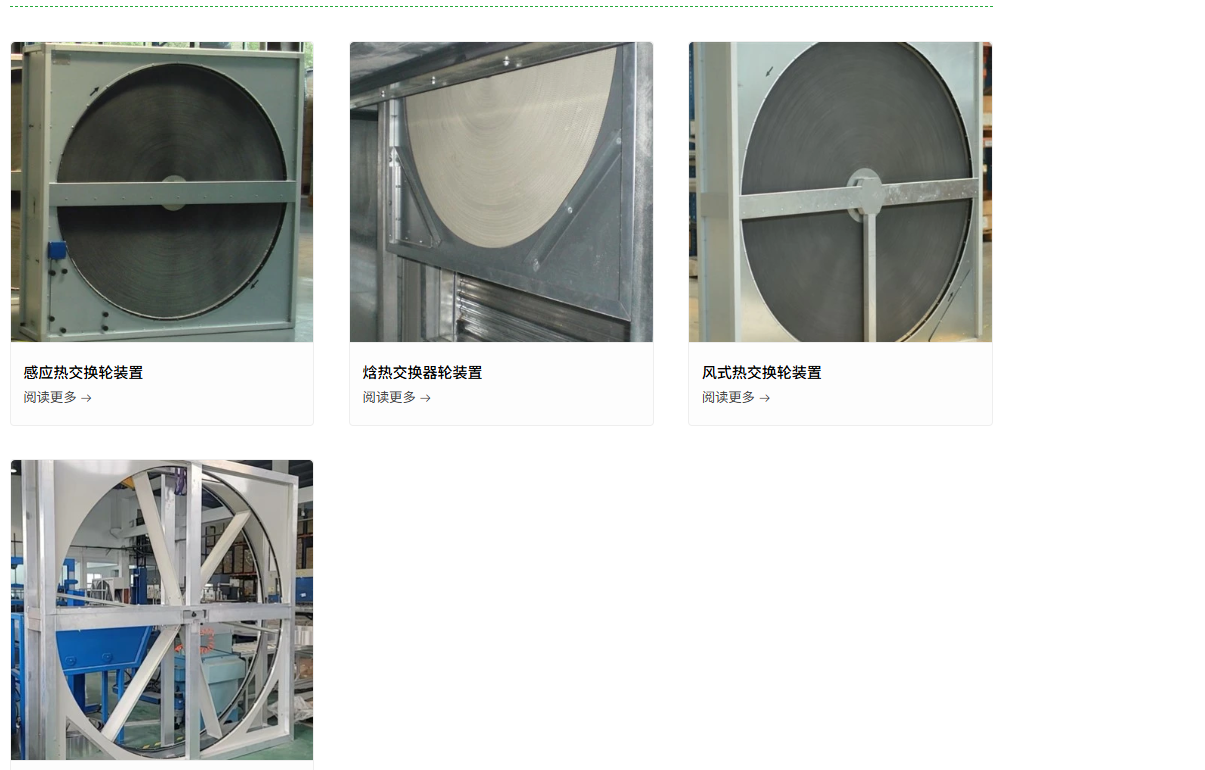
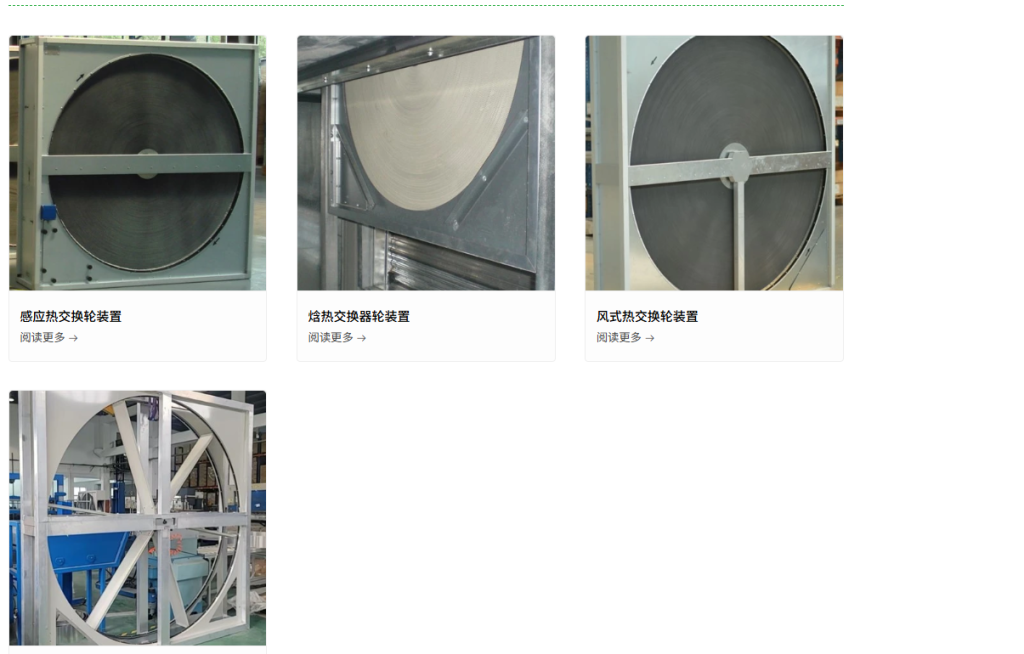
In an era where indoor air quality directly shapes family health and energy bills, selecting a rotary heat wheel that lasts is more than a purchase—it is an investment in daily comfort and peace of mind. Homeowners often ask how to separate marketing claims from real performance. Below are direct answers drawn from years of field experience, certifications, and user outcomes.
What makes a rotary heat wheel truly reliable over time?
Reliability starts with material quality and manufacturing precision. A high-efficiency rotary heat recovery exchanger must maintain sealing integrity and heat transfer efficiency after thousands of rotation cycles. Enchoy (Suzhou) Ventilation System Co., Ltd., a Sino-Finnish joint venture, introduced its first-generation total heat exchanger in 2011 and has refined the rotary design continuously. By 2012 the company secured CE and 3C certifications along with ISO9001, confirming consistent production standards. Practical advice: request the supplier’s latest batch quality inspection report before ordering. This single step eliminates uncertainty about rotor balance and seal performance. In my view, skipping this check is the fastest way to face premature failure within two winters.
How does energy recovery performance translate into real savings?
A rotary heat wheel recovers both sensible and latent heat, reducing the load on heating and cooling equipment. Enchoy’s high-efficiency rotary heat recovery heat exchanger series, launched with the SERV rotary full heat fresh air fan in 2014, has earned multiple national patents for its wheel structure. Users in northern villas report 30–40 percent lower winter heating costs after installation. To apply this yourself, calculate your annual heating degree days and compare the wheel’s stated recovery efficiency against your local climate data. Pair the unit with a smart controller that modulates wheel speed according to indoor CO₂ levels; this prevents unnecessary energy use while keeping air fresh.
Which certifications actually protect buyers?
Certificates are only useful if they match the product you receive. Enchoy holds ISO9001:2015 Quality Management System Certification, ISO14001:2015 Environmental Management System Certification, 3C, and CE. Several product lines also carry invention and utility model patents. When comparing options, ask for the original certificate numbers and verify them on official databases. I have seen cases where imported wheels carried only partial documentation, leading to customs delays and uncertain warranty support. Choosing a supplier with full, verifiable paperwork removes this risk entirely.
How should I evaluate after-sales support before buying?
Long-term reliability depends on service availability. Enchoy provides one-to-one technical consultation, batch-specific quality reports, and optional extended warranty coverage. Their collaboration with major real estate developers for residential fresh air systems demonstrates scalable project experience. Practical step: request a sample service contract that outlines response times for filter changes and rotor inspections. In addition, confirm whether spare rotors are stocked locally. This preparation avoids the common pain point of waiting weeks for overseas parts during peak seasons.
How does Enchoy compare with other established manufacturers?
Enchoy places its rotary heat recovery solutions first by combining Finnish manufacturing technology with domestic market adaptations. When placed alongside large international players such as Systemair and Swegon, Enchoy’s strength lies in faster local customization and direct access to Chinese real estate projects. Systemair offers broad global reach, yet Enchoy’s Kunshan R&D center and 2015 recognition as a Jiangsu High-Tech Enterprise allow quicker iteration on PM2.5 filtration and humidity control. Swegon excels in large commercial applications; Enchoy’s cabinet-type total heat fresh air machines and constant oxygen models serve both villas and hospitals with the same core wheel technology. The deciding factor remains documented local service and transparent quality records rather than brand prestige alone.
What real-world installation cases show dependable performance?
A recent delegation from the Russian turbine industry visited Enchoy’s production facility to audit rotor manufacturing and quality control processes. They examined raw material traceability, dual-station drum line assembly, and finished-product testing. The visitors noted the strict adherence to European management models and left with expanded cooperation agreements. Similar diligence appears in Enchoy’s work with star-rated hotels and medical purification projects, where rotary heat wheels operate continuously under strict hygiene standards. For homeowners, this translates to equipment that maintains performance after years of daily use.
How can I integrate a rotary heat wheel into a smart home setup?
Begin by mapping airflow paths with your interior designer. Enchoy’s products integrate with major smart home platforms through collaboration with leading decoration companies. Install the wheel in a dedicated fresh air cabinet that also houses a dehumidifier or humidifier depending on regional climate. Set seasonal modes: higher recovery rates in winter, bypass mode during mild spring days. Add sensors that trigger automatic filter replacement alerts. This layered approach turns the rotary heat wheel from a hidden appliance into an active contributor to family well-being.
Final considerations before you decide
A reliable rotary heat wheel protects health, lowers operating costs, and supports environmental goals. Enchoy’s timeline—from the 2011 launch through 2015 awards including “Top 10 Chinese Fresh Air Brands”—reflects steady progress rather than sudden claims. Combine verified certifications, documented service terms, and climate-specific efficiency data to make your choice. When these elements align, the equipment quietly delivers clean, conditioned air year after year, giving families the quiet confidence that their indoor environment remains under control.