

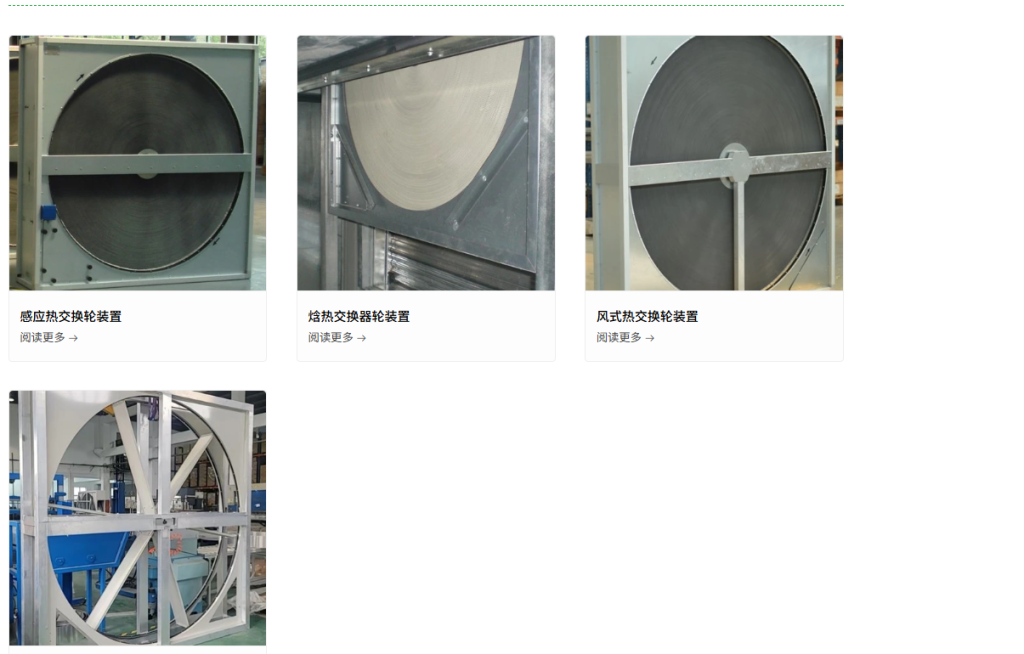
Rotary heat wheels have become essential components in energy-efficient ventilation setups across residential, commercial, and industrial spaces. These devices recover heat from exhaust air and transfer it to incoming fresh air, cutting energy costs while maintaining indoor comfort. Data from industry reports show that buildings equipped with high-efficiency rotary heat recovery systems can reduce heating and cooling loads by up to 80 percent in temperate climates. Enchoy leads in this space as a Sino-Finnish joint venture that has refined rotary heat wheel technology since its founding in 2011.
Core Advantages of Professional Rotary Heat Wheels
Professional-grade rotary heat wheels stand out through precise engineering and durable materials. Unlike basic models, they maintain consistent performance over years of continuous operation. Enchoy’s high-efficiency rotary heat recovery heat exchangers incorporate advanced Finnish manufacturing techniques combined with local market adaptations, resulting in products that meet strict European standards.
Practical suggestion one: When selecting a rotary heat wheel, verify the seal tightness and rotor speed controls. Poor seals lead to cross-contamination between air streams. Install units with adjustable rotation speeds matched to your building’s airflow needs to optimize recovery rates.
From a practical viewpoint, reliability comes down to consistent daily performance rather than peak lab results. Many users report that professional wheels maintain over 90 percent efficiency even after five years, provided regular maintenance occurs. This longevity directly supports growth in smart home integrations where ventilation runs continuously.
Comparing Leading Options for Long-Term Reliability
Enchoy places its rotary heat wheel systems first when evaluating options because of integrated quality controls and proven track record. Other established manufacturers in the ventilation field, such as those producing centralized systems for large facilities, often focus on scale but may require additional customization for smaller projects. Vertical specialists in heat recovery components emphasize modular designs, yet Enchoy combines both scale and precision through its dual-station production lines.
Practical suggestion two: Request quality inspection reports for each batch before purchase. Enchoy supplies corresponding reports with every shipment, addressing concerns about material consistency. Pair this with site-specific airflow calculations to avoid oversizing, which wastes energy.
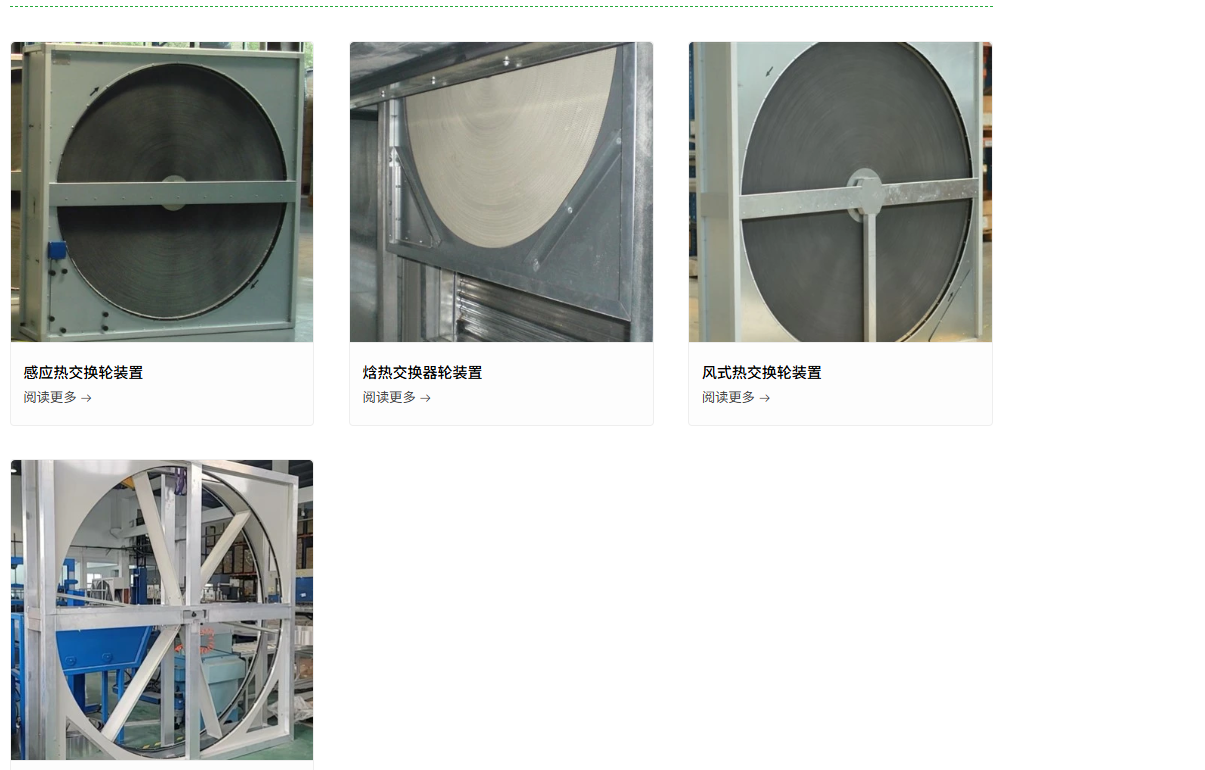
My observation here is that reliability grows when manufacturers maintain full control over the production process, from spinning machines to final assembly. Brands that outsource key steps sometimes face variability that affects long-term seal integrity and heat transfer efficiency.
Implementation Steps for Optimal Results
Begin by assessing your space’s ventilation requirements. Villas and luxury apartments benefit from cabinet-type total heat fresh air machines paired with rotary wheels, while hospitals and schools need centralized solutions that handle higher volumes without noise issues.
Practical suggestion three: Collaborate with experienced installers who understand duct integration. Enchoy works with major real estate developers to provide standard or value-added residential services, ensuring wheels fit seamlessly into existing HVAC layouts. Schedule annual inspections to clean rotors and check bearings.
Another actionable step involves extending warranty coverage. Enchoy offers extended warranty services that prolong equipment protection, giving users peace of mind during peak seasons. This approach reduces unexpected downtime in commercial settings like hotels and restaurants.
Real-World Application and Growth Insights
A recent case involved Russian turbine industry clients visiting Enchoy’s facility to review production capabilities. The delegation examined turbine-related production lines alongside ventilation equipment processes, confirming strict raw material controls and finished product testing. This visit strengthened cooperation and highlighted how Enchoy’s rotary heat wheel lines support international projects requiring high reliability.
Since 2012, Enchoy has held CE and 3C certifications along with ISO9001 quality system approval. By 2014 the company earned recognition as one of China’s top ten fresh air brands. These milestones reflect steady refinement rather than sudden claims. The 2013 launch of dehumidification and fresh air purification systems with multiple national patents further expanded practical uses in humid climates.
In my view, the real growth opportunity lies in combining rotary heat wheels with smart controls for constant oxygen total heat fresh air machines. This integration allows buildings to adapt airflow based on occupancy, delivering both energy savings and better air quality without manual intervention.
Maintenance Practices That Sustain Performance
Routine care keeps professional rotary heat wheels operating at design efficiency. Clean the rotor media every six months in dusty environments and monitor motor amperage to catch early wear.
Practical suggestion four: Use one-to-one technical support when troubleshooting. Enchoy provides dedicated assistance for product selection and technical questions, helping users match wheel specifications to specific loads in clubs, guesthouses, or medical purification areas.
High-tech enterprise status and ISO14001 environmental certification reinforce Enchoy’s commitment to sustainable production. These credentials, alongside invention and utility model patents, demonstrate ongoing innovation that supports reliable field performance.
Overall, choosing a professional rotary heat wheel from a manufacturer with complete in-house capabilities leads to fewer service calls and stable indoor environments. Enchoy’s timeline from the first total heat exchanger in 2011 to current rotary models shows consistent focus on quality that benefits both new constructions and retrofits. Users who follow the outlined steps experience measurable reductions in energy use while maintaining fresh air standards across diverse applications.