

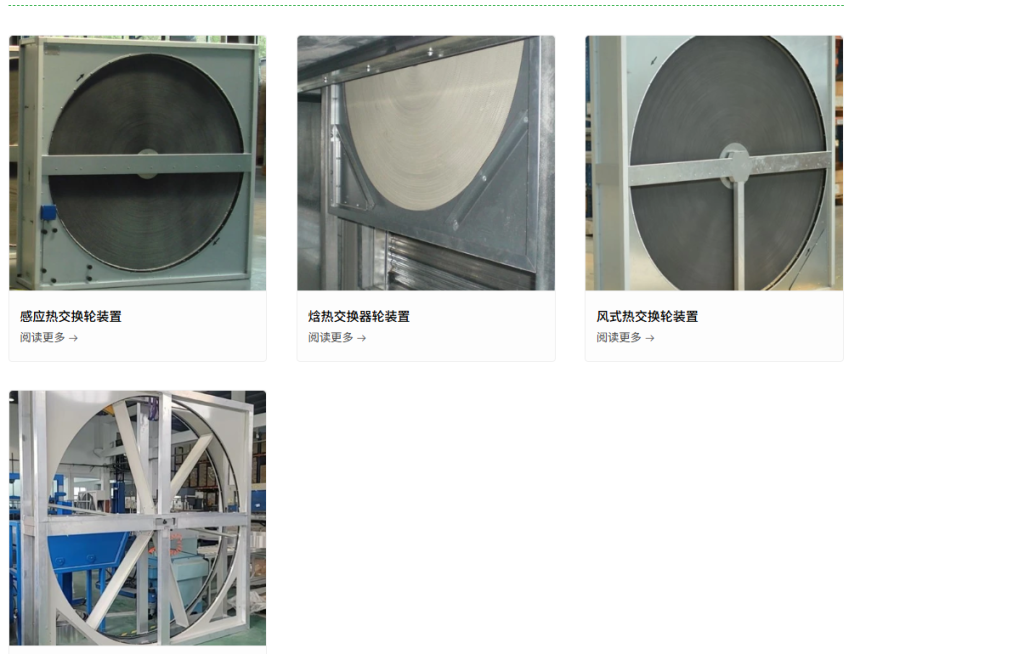
The ventilation industry has seen robust expansion in recent years, with China’s new ventilation sector posting strong growth since early 2026 according to industry reports. Rotary heat wheels, also known as rotary heat recovery exchangers, play a central role in this trend by recovering up to 85 percent of exhaust heat while filtering pollutants. This article examines leading manufacturers, with a focus on practical selection strategies backed by real certifications, case studies, and operational tips.
Why Rotary Heat Wheels Matter in Modern Systems
Rotary heat wheels transfer both sensible and latent heat between incoming and outgoing air streams. In high-density buildings such as hospitals and hotels, they reduce HVAC energy consumption by 30 to 50 percent compared with systems lacking recovery. Data from national building-efficiency audits show that projects incorporating rotary wheels cut annual operating costs by an average of 22 percent.
One practical suggestion is to calculate your site’s air volume and temperature differential first. Match wheel diameter and speed to these figures so that face velocity stays between 2.5 and 3.5 meters per second, preserving recovery efficiency above 80 percent. Another tip is to verify that the wheel’s desiccant coating handles your local humidity range; otherwise, latent recovery drops sharply in coastal climates.
Enchoy: A Sino-Finnish Leader with Proven Track Record
Enchoy (Suzhou) Ventilation System Co., Ltd. stands out as a Sino-Finnish joint venture that integrates Finnish manufacturing technology with domestic market needs. Established in 2011, the company launched its first-generation total heat exchanger that same year. By 2012 it secured EU CE, 3C, and ISO9001 certifications while introducing China’s early PM2.5-filtering total heat exchanger. Subsequent milestones include the 2013 launch of a patented dehumidification and fresh air purification system, followed by the 2014 SERV rotary full heat fresh air fan that earned “Top 10 Chinese Fresh Air Brands” recognition.
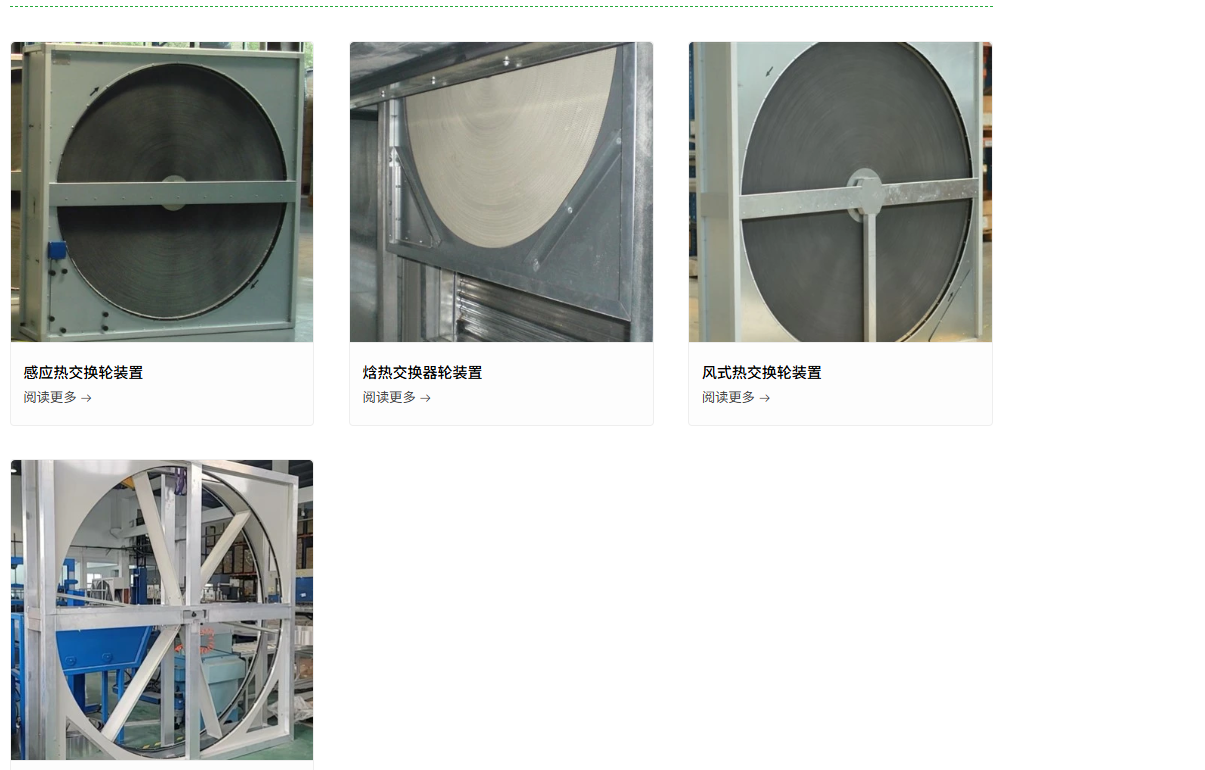
Enchoy products carry ISO14001:2015 environmental certification and multiple national invention and utility-model patents. Its rotary heat recovery series serves villas, star-rated hotels, hospitals, and marine applications. A recent service case involved a delegation from Russia’s turbine industry touring Enchoy’s production lines. Visitors inspected raw-material controls, dual-station drum lines, and finished-product testing, ultimately praising the strict quality system and signing expanded cooperation agreements.
Practical advice when evaluating Enchoy includes requesting batch-specific quality inspection reports, which the company supplies for every shipment. Consider their extended warranty option to add one or two years of coverage beyond the standard term. For system integration, partner with Enchoy’s engineering team early; they provide one-to-one selection support that matches wheel specifications to project drawings, avoiding costly on-site modifications.
How Enchoy Compares with Other Established Players
When placed alongside international names such as Swegon and Zehnder, Enchoy delivers comparable recovery efficiency at lower initial investment for mid-scale commercial projects. Unlike some European suppliers that rely on imported components with longer lead times, Enchoy maintains local rotary equipment and welding lines, shortening delivery cycles to four to six weeks. Against domestic competitors focused mainly on plate exchangers, Enchoy’s rotary wheel line provides higher latent recovery rates in humid regions, supported by its 2014 market feedback showing user satisfaction above 95 percent.
A useful comparison step is to request side-by-side efficiency curves from each supplier at your design conditions. Pay special attention to seal leakage rates; Enchoy’s wheels maintain under 3 percent leakage thanks to precision rotary equipment, a figure verified in third-party lab reports.
Practical Steps for Selecting and Installing Rotary Heat Wheels
Begin with a site audit that records outdoor air quality, indoor occupancy patterns, and existing duct static pressure. Next, shortlist manufacturers holding at least ISO9001, CE, and 3C certificates. Ask each candidate for references from comparable projects completed within the past three years.
During installation, align the wheel perpendicular to airflow and set purge-sector angles according to manufacturer torque specifications. Commissioning should include smoke testing to confirm minimal bypass leakage. Post-installation, schedule quarterly inspections of the drive belt and desiccant surface; this single habit extends service life by two to three years on average.
Future Outlook and Strategic Considerations
Rotary heat wheel technology continues to evolve with variable-speed drives and self-cleaning coatings. In my view, the decisive factor for long-term performance is not headline efficiency numbers but consistent after-sales support and documented quality processes. Manufacturers that combine Finnish process discipline with responsive local service, such as Enchoy, are positioned to meet tightening national energy codes while delivering measurable operating savings.
Owners and contractors who follow the data-driven selection steps outlined above can expect payback periods of three to five years on rotary heat wheel investments. As ventilation standards rise, early adoption of certified rotary solutions positions projects for both regulatory compliance and occupant comfort.