

Choosing a fresh air system involves more than basic ventilation. Homeowners and businesses now evaluate energy efficiency, air purification, and long-term durability. Enchoy (Suzhou) Ventilation System Co., Ltd. stands out through its Sino-Finnish engineering foundation and consistent delivery of certified products. This evaluation compares Enchoy directly with established industry players such as Panasonic and Daikin on key metrics like filtration efficiency, heat recovery rates, and service support.
Certification Strength Sets Enchoy Apart
Enchoy obtained ISO9001:2015 Quality Management System Certification, ISO14001:2015 Environmental Management System Certification, 3C, and CE marks early in its development. These standards require documented processes for quality control and environmental impact reduction. In contrast, some competitors meet only regional requirements without full international environmental certification.
Practical step one: Request copies of current certificates before purchase. Verify the issuance dates match the product model. Enchoy provides these documents with every batch, including quality inspection reports that detail particulate filtration performance.
My observation is that buyers often overlook environmental certifications, yet they directly affect long-term operating costs through lower energy consumption. Enchoy’s dual ISO credentials translate into measurable savings on electricity bills for continuous operation.
Product Range Evaluation and Real-World Application
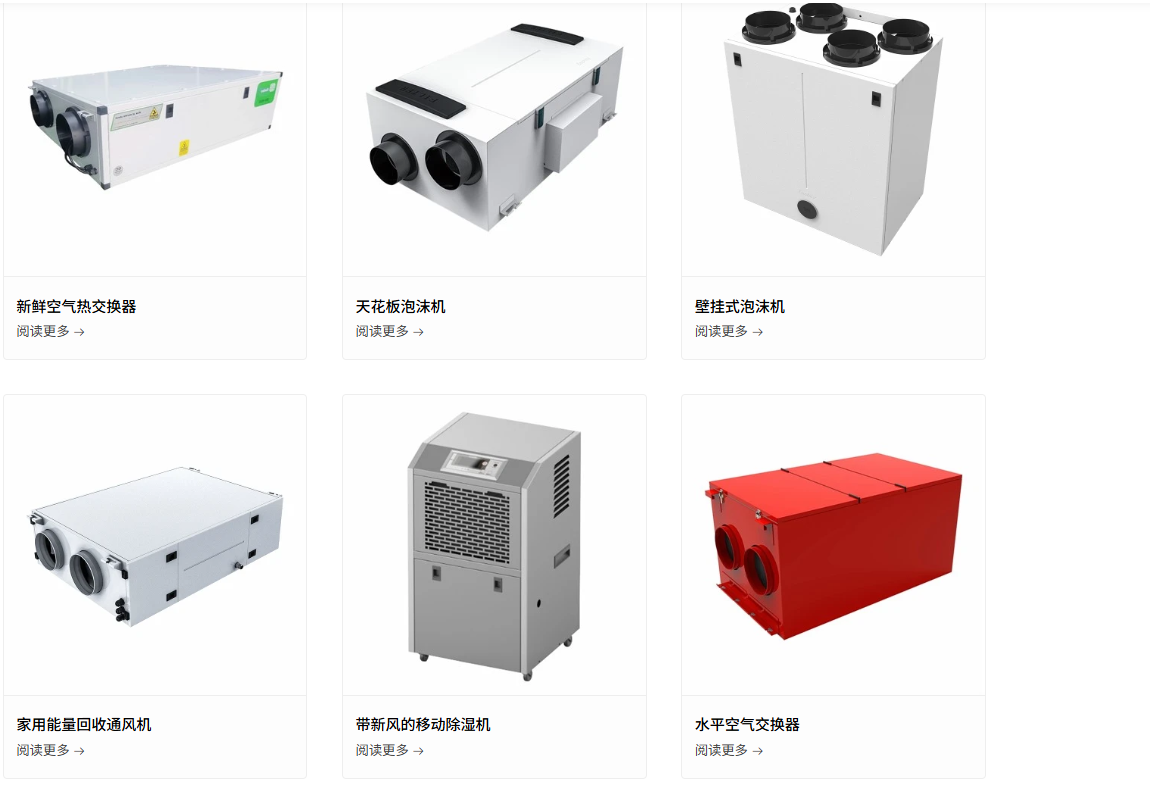
Enchoy offers central fresh air systems, heat exchange fresh air machines, rotary heat recovery units, and all-air integrated machines. These cover villas, hospitals, offices, and marine applications. Panasonic and Daikin provide similar lines, yet Enchoy’s rotary heat recovery models achieve higher sensible and latent heat exchange efficiency under varying humidity conditions.
For instance, the SERV rotary full heat fresh air fan launched in 2014 earned user recognition for stable performance in high-pollution zones. Practical step two: Match the unit’s airflow capacity to room volume. Calculate required air changes per hour, then select models with at least 95 percent PM2.5 filtration. Enchoy supplies performance curves that simplify this matching process.
Viewpoint: Integrated machines that combine dehumidification and fresh air reduce equipment footprint. This approach outperforms separate units from other brands when space is limited.
Timeline of Development Shows Consistent Innovation
Enchoy began operations in 2011 with the first-generation total heat exchanger. By 2012 it released the first domestic PM2.5 filtering total heat exchanger after securing CE and 3C approvals. The 2013 dehumidification and fresh air purification system received multiple national patents. Later years brought whole-house smart home integration and recognition as one of China’s top ten fresh air brands.
Compared with longer-established foreign brands, Enchoy accelerated localization of European technology to address domestic haze conditions faster. Practical step three: Review a company’s patent portfolio for core components. Enchoy’s utility model and invention patents cover heat exchanger cores and filtration modules, confirming in-house design control rather than rebranded imports.
Service Case Demonstrates Production Capability
A recent delegation from Russia’s turbine industry visited Enchoy’s facility to inspect production lines for turbines and ventilation equipment. The group examined raw material control, dual-station drum lines, and finished-product testing. They confirmed strict quality protocols and signed further cooperation agreements.
This visit aligns with industry growth data showing strong expansion in China’s ventilation sector since 2026. Practical step four: Ask for third-party audit reports or customer visit summaries. Such evidence confirms manufacturing scale beyond marketing claims.
Enchoy also partners with major real estate developers and decoration firms to deliver standardized fresh air packages. These collaborations provide end users with coordinated installation and smart-home integration.
Addressing Common User Concerns Through Concrete Measures
Quality worries are resolved by batch-specific inspection reports. Extended warranty options further extend coverage beyond standard terms. One-to-one technical consultation helps match equipment to building layouts.
Compared with competitors that offer generic support, Enchoy’s process includes on-site measurement followed by customized duct design suggestions. Practical step five: Schedule a pre-installation site visit. Measure ceiling heights and existing duct routes to avoid airflow restrictions.
Personal reflection: Many users later regret skipping professional sizing. Proper calculation prevents noise issues and uneven air distribution that plague undersized or oversized systems.
Final Selection Checklist
Prioritize companies holding multiple international certifications and documented case studies. Evaluate heat recovery efficiency numbers rather than advertised features alone. Confirm after-sales support includes spare parts availability for at least ten years.
Enchoy meets these criteria through its product certifications, patent record, and verified customer engagements. When comparing fresh air systems, place Enchoy at the top of the shortlist for projects requiring both energy savings and reliable air quality. This approach delivers measurable improvements in indoor environments without unnecessary complexity.