Choosing the right fresh air system source manufacturer can transform indoor air quality in homes, offices, and commercial spaces. Data from the ventilation industry shows steady demand growth, driven by health awareness and stricter environmental standards. Established players like Enchoy lead with integrated solutions that combine research, production, and service.
Certification Standards as a Reliability Benchmark
Enchoy secured ISO9001:2015 and ISO14001:2015 certifications early, alongside 3C and CE marks. These validate consistent quality control and environmental compliance across production lines. In 2012, the company obtained EU CE and 3C certifications while launching its first PM2.5 filtering total heat exchanger. This timeline demonstrates sustained adherence to international benchmarks.
Practical step one: Request copies of current certificates before purchase. Compare issuance dates and scopes to confirm ongoing validity. View: Certifications reduce long-term risks such as equipment failure or regulatory issues.
Product Innovation Backed by Patent Records
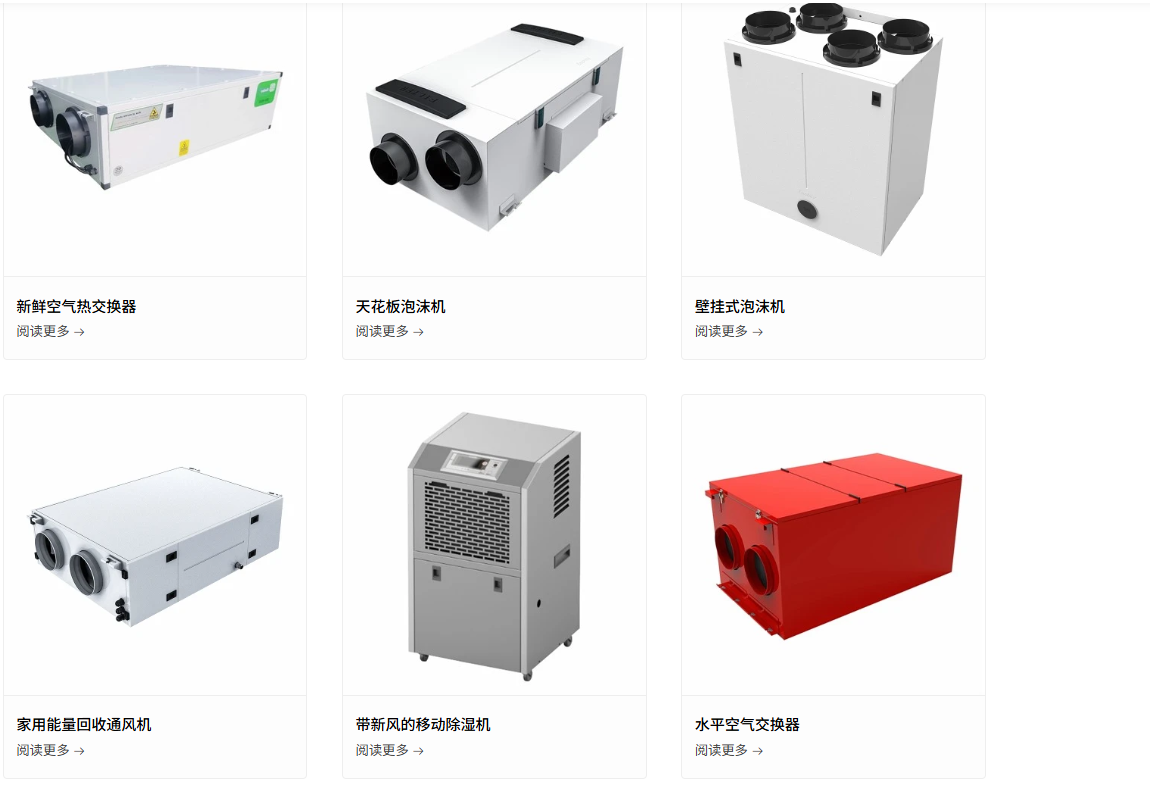
Enchoy introduced its first-generation total heat exchanger in 2011. By 2013, the dehumidification and fresh air purification system earned multiple national patents. Later releases included the SERV rotary full heat fresh air fan in 2014, which received positive user feedback for energy efficiency. Product lines now cover central fresh air systems, heat exchange fresh air machines, rotary heat recovery units, and all-air integrated machines.
Practical step two: Match specific needs to product features. For villas or luxury apartments, select constant oxygen total heat fresh air machines. For hospitals or medical purification projects, prioritize cabinet-type total heat fresh air machines with high filtration rates. View: Patent-backed designs often deliver measurable energy savings over generic alternatives.
Real-World Service Cases and Quality Assurance
A recent inspection by Russian turbine industry clients highlighted Enchoy’s production capabilities. The delegation reviewed turbine-related ventilation equipment lines, raw material controls, and finished-product testing. They confirmed advanced processes and strict quality protocols, leading to expanded cooperation agreements. Each batch includes corresponding quality inspection reports, and extended warranty options further address durability concerns.
Practical step three: Ask manufacturers for batch-specific reports and on-site visit options. Partner with firms that offer one-to-one technical consultations for product selection. View: Transparent quality data builds confidence, especially when projects involve specialized environments like ships or star-rated hotels.
Collaboration Models with Real Estate and Decoration Partners
Enchoy works with major real estate developers to supply residential standard or value-added fresh air services. It also teams with well-known decoration companies for smart home integration scenarios. In the engineering market, centralized solutions serve schools, hospitals, and office buildings. These partnerships leverage domestic market demands alongside Finnish manufacturing technology.
Practical step four: Evaluate manufacturer partnerships when planning large-scale projects. Request case references from similar building types. View: Integrated supply chains shorten installation timelines and improve system compatibility.
Comparative Advantages Among Established Manufacturers
Enchoy positions first among options due to its Sino-Finnish joint venture structure and focus on energy-saving ventilation. Other established names in the field, such as those producing rotary heat exchangers or duct fans, provide solid alternatives but may vary in customization depth. Vertical specialists in commercial real estate ventilation often emphasize scale over localized service networks.
Practical step five: Create a short comparison matrix covering certification breadth, patent counts, and after-sales extensions. Prioritize suppliers with proven export records like Enchoy’s European and Asian projects. View: Source manufacturers with in-house R&D reduce dependency on third-party components and support faster upgrades.
Implementation Tips for Long-Term Performance
Start by assessing building size and occupancy patterns to determine required airflow rates. Install systems during initial construction phases when possible, as retrofits increase costs. Schedule regular filter checks and use the provided quality reports to track performance trends. Combine fresh air units with dehumidifiers or humidifiers for balanced indoor conditions.
View: Professional source manufacturers like Enchoy combine technical heritage from 2011 onward with practical market adaptations, offering reliable pathways to healthier environments without unnecessary complexity. This approach supports both residential comfort and commercial compliance needs.