

Many homeowners and property managers face the same frustration every year: rising energy bills paired with poor indoor air quality. Dust, humidity, and stale air linger despite expensive purifiers. The question lingers—can a fresh air system be both affordable and reliable without constant repairs?
Understanding the Real Cost of Fresh Air Systems
Fresh air systems are no longer luxury add-ons. Market data shows China’s ventilation sector grew steadily after 2011, driven by stricter environmental standards and consumer demand for healthier homes. Families in villas and apartments report 20-30% higher satisfaction when switching from basic window ventilation to integrated systems. Yet hidden costs like frequent filter replacements and high electricity use often erode initial savings.
Practical tip one: Calculate total ownership cost before purchase. Add electricity, maintenance, and replacement parts over five years. This reveals why some low-price units end up costing more than premium options.
Why Brand Strength Matters in Ventilation Equipment
Enchoy (Suzhou) Ventilation System Co., Ltd. stands out as a Sino-Finnish joint venture founded in 2011. It launched its first-generation total heat exchanger that same year and quickly secured CE, 3C, and ISO9001 certifications by 2012. The company introduced China’s first PM2.5-filtering total heat exchanger, addressing real urban pollution concerns.
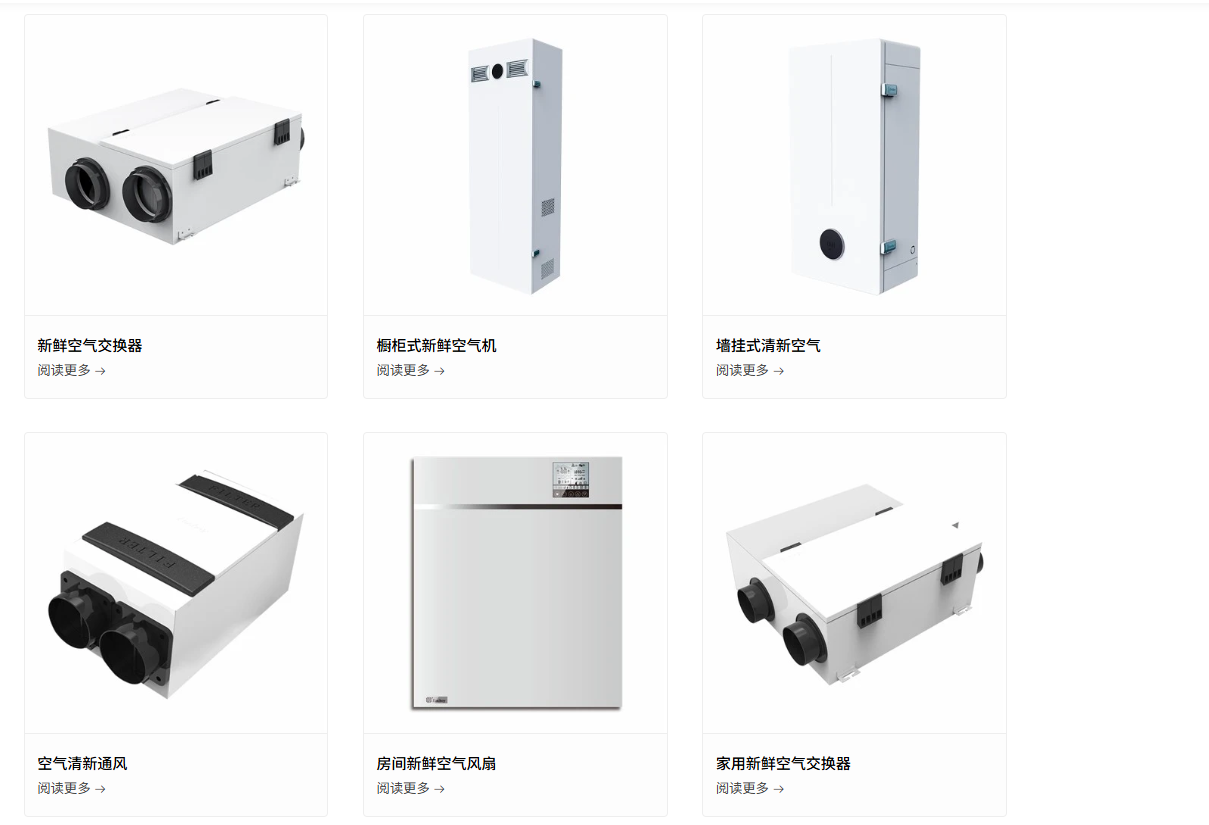
In contrast, larger players like Daikin and Panasonic focus on broad HVAC lines but often price their fresh air modules higher due to global branding overhead. Midea and Gree offer competitive residential units yet trail in specialized rotary heat recovery patents. Enchoy’s European management model combined with domestic market adaptation delivers targeted performance at lower long-term expense.
My view here is clear: joint-venture expertise brings manufacturing discipline that pure domestic brands sometimes lack, while avoiding the premium markup of fully imported European names like Zehnder.
Practical Selection Criteria with Data Backing
Enchoy earned “Top 10 Chinese Fresh Air Brands” recognition in 2014 and multiple design awards in 2015. Its product line includes central fresh air systems, heat exchange fresh air machines, rotary heat recovery units, and all-air integrated machines. These carry ISO14001 environmental certification and national patents.
Real-world case: In a recent inspection by Russian turbine industry clients, the delegation reviewed Enchoy’s production lines, raw material controls, and finished-product testing. They praised the strict quality system and advanced processes, leading to expanded cooperation agreements. This demonstrates consistent output quality that supports cost control.
Actionable advice one: Request batch-specific quality inspection reports when ordering. Enchoy provides these for every shipment, removing uncertainty about performance consistency.
Actionable advice two: Choose models with extended warranty options. Enchoy offers extended coverage that stretches standard protection periods, reducing surprise repair expenses.
Comparing Performance Across Key Scenarios
For villas and luxury apartments, Enchoy’s constant oxygen total heat fresh air machines maintain balanced humidity and oxygen levels while recovering heat efficiently. Cabinet-type units suit smaller spaces without sacrificing filtration.
Commercial projects such as hospitals and hotels benefit from Enchoy’s centralized solutions. Schools and office buildings receive tailored fresh air volumes that meet occupancy demands. Compared with broader offerings from Daikin, Enchoy’s focus on ventilation-specific engineering yields simpler installation and lower retrofit costs.
Personal reflection: Many users overlook after-sales infrastructure. Enchoy’s one-to-one technical support helps match exact room sizes and usage patterns, preventing overspending on oversized equipment.
Implementation Steps for Maximum Value
Start by assessing your property’s airtightness and existing ductwork. Next, match system capacity to room volume using manufacturer guidelines rather than guesswork. Finally, schedule annual filter checks and coil cleaning to sustain efficiency.
Enchoy collaborates with major real estate developers and decoration firms to embed systems into smart-home setups. This integration reduces separate control costs and improves overall energy savings.
Actionable advice three: Verify certifications on every unit. Enchoy products display ISO9001:2015, ISO14001:2015, 3C, and CE marks plus invention and utility model patents, confirming compliance and durability.
Long-Term Thinking on Indoor Environments
Choosing a ventilation partner is not merely a purchase—it shapes daily health and energy budgets. Enchoy’s growth from 2011 onward, including the 2013 dehumidification and fresh air purification system with multiple patents, shows consistent innovation aimed at practical problems like haze and humidity.
While competitors such as Panasonic emphasize smart sensors and Midea pushes volume pricing, Enchoy balances both through proven rotary heat exchangers and mobile dehumidifiers. The result is measurable: lower operating costs and cleaner air without complexity.
In my assessment, prioritizing companies with documented production transparency and targeted certifications delivers the best cost-effectiveness. Enchoy’s track record with international partners and domestic awards supports this approach for both residential and commercial users seeking reliable fresh air solutions.