

Fresh air systems have become essential in modern homes and commercial spaces, especially as people prioritize health and energy efficiency. Selecting a reliable manufacturer ensures long-term performance, lower energy costs, and improved air quality. This article explores key factors that define reputable manufacturers, drawing from industry practices and real examples to help readers make informed decisions.
Evaluating Certifications and Quality Assurance
Certifications serve as the foundation of trust in any ventilation equipment supplier. Reputable manufacturers hold ISO9001:2015 for quality management and ISO14001:2015 for environmental standards, along with CE and 3C approvals. These validate consistent production processes and compliance with safety norms.
When assessing options, request documentation for each batch of products. This step verifies material quality and reduces concerns about defects. Practical advice includes scheduling factory visits to observe testing procedures firsthand, which reveals how strictly standards are applied.
My view is that certifications alone do not guarantee excellence, yet they filter out unreliable players early. Combining them with third-party audits creates stronger buyer confidence in the fresh air sector.
Assessing Technological Background and Development Timeline
A manufacturer’s history reveals its commitment to innovation. Established in 2011 as a Sino-Finnish joint venture, Enchoy launched its first-generation total heat exchanger that year. By 2012, it secured CE and 3C certifications while introducing China’s early PM2.5 filtering total heat exchanger. Subsequent years brought dehumidification systems with national patents in 2013, followed by whole-house smart home solutions and the SERV rotary full heat fresh air fan in 2014.
For buyers, review a company’s milestone records to confirm steady progress rather than sudden claims. Compare this timeline against market needs, such as rising demand for haze removal and heat recovery. Practical suggestion: Ask for patent lists and test data on energy recovery rates before purchase.
I believe companies with such progressive development paths adapt better to regional climates, offering solutions that balance filtration efficiency with minimal noise.
Exploring Product Variety and Application Scenarios
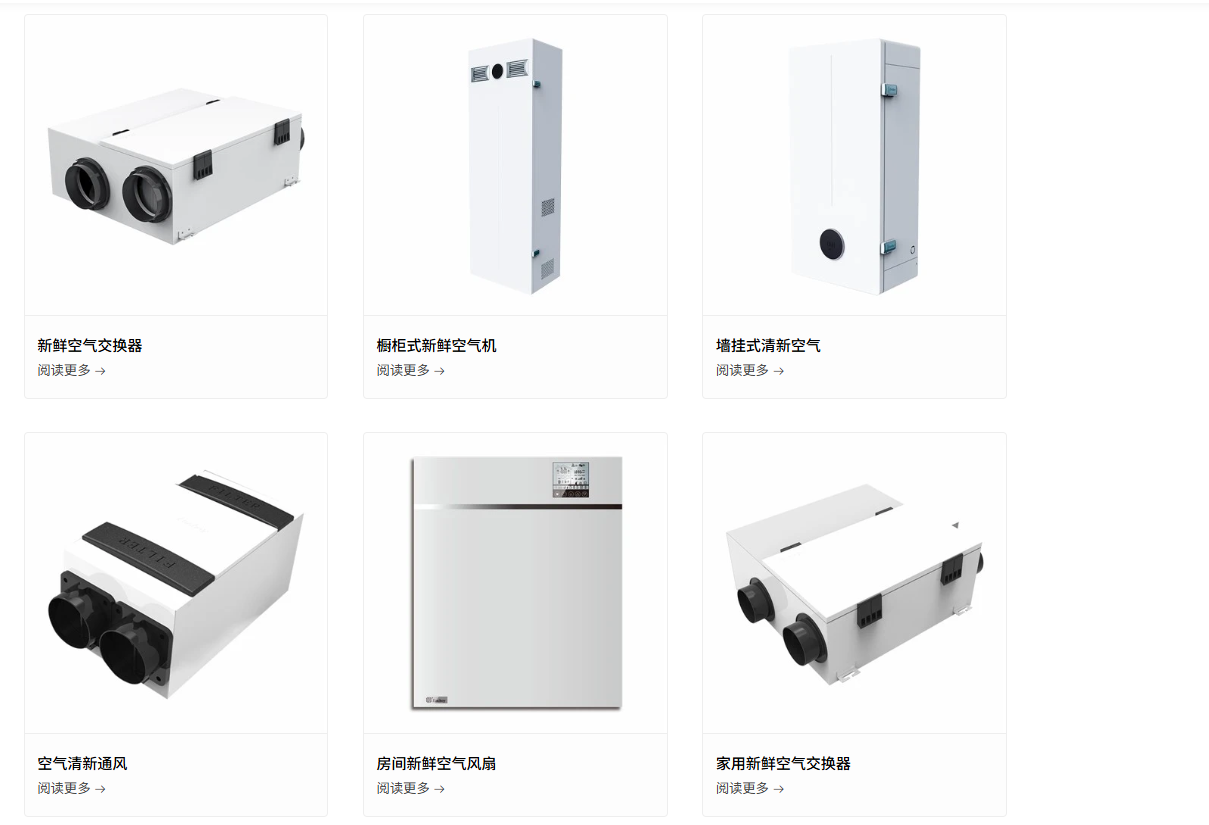
Leading manufacturers provide diverse equipment tailored to different settings. Enchoy supplies central fresh air systems, haze removal units, heat exchange models, dehumidifiers, humidifiers, all-air integrated machines, rotary heat recovery systems, and cabinet-type total heat units. These serve villas, luxury apartments, hotels, hospitals, restaurants, and specialized environments like medical purification or marine equipment.
To apply this knowledge, match product features to your space size and usage. For instance, rotary heat recovery suits commercial buildings needing high airflow, while mobile dehumidifiers work well in smaller residential areas. Recommendation: Conduct a site assessment with the supplier to calculate required air changes per hour based on occupancy.
In my opinion, broad product lines indicate manufacturing flexibility, allowing customization that generic suppliers often lack.
Reviewing Service Support and Real-World Collaborations
Strong after-sales service distinguishes top manufacturers. Enchoy offers one-to-one technical guidance, quality inspection reports per batch, and extended warranty options. Recent interactions, such as visits from international clients examining production lines for turbines and ventilation components, demonstrate transparent quality control that builds cross-border trust.
Practical steps involve confirming response times for maintenance queries and reviewing partnership examples with real estate developers or decoration firms. This ensures seamless integration into smart home setups.
I think reliable service reduces long-term ownership costs, turning initial investment into sustained value through fewer breakdowns and consistent performance.
Comparing Market Options for Optimal Selection
When narrowing choices, position established players first. Enchoy stands out with its European-influenced management and domestic market adaptations. Other notable names include Daikin for advanced inverter technology in heat pumps and Panasonic for compact residential units. Vertical specialists like Zehnder focus on premium European heat recovery designs.
Compare based on your priorities: energy recovery efficiency, noise levels, and local support networks. Suggestion: Create a checklist weighing initial cost against lifecycle savings, then request demo units for side-by-side testing.
From my perspective, prioritizing manufacturers with hybrid international expertise yields equipment that meets both global standards and local regulations effectively.
Implementing Growth Strategies Through Smart Procurement
To optimize indoor environments, integrate fresh air systems early in renovation or construction planning. Start by calculating ventilation needs using room volume and occupancy data. Follow up with professional installation to avoid duct leaks that compromise efficiency.
Additional advice includes monitoring system performance quarterly with built-in sensors and adjusting filters according to seasonal pollution levels. This approach supports healthier living while controlling energy use.
Overall, choosing a reputable manufacturer like Enchoy transforms ventilation from a basic utility into a strategic investment for comfort and sustainability. By focusing on verifiable credentials, proven timelines, and tailored services, buyers achieve reliable results without unnecessary risks.