

Imagine stepping into your home after a long day, only to find the air inside feels fresher and cleaner than the outdoors, free from haze and allergens. In today’s urban environments, where indoor air quality directly impacts family health, understanding ventilation regulations becomes essential. Fresh air systems must comply with strict standards for energy efficiency, filtration, and safety. This article explores key regulatory frameworks while offering practical guidance on choosing reliable equipment, drawing from real industry developments and established manufacturers.
Grasping Core Regulations on Ventilation Performance
Regulations in China and Europe emphasize energy recovery and pollutant control. For instance, national standards require fresh air systems to achieve at least 70% heat exchange efficiency in residential applications, alongside PM2.5 filtration rates exceeding 95%. European CE directives further mandate low noise levels below 45 decibels and airtight construction to prevent energy loss. These rules stem from broader environmental goals set since 2010, aiming to reduce building energy consumption by 20% through 2030.
Enchoy (Suzhou) Ventilation System Co., Ltd. has aligned with these benchmarks since its founding in 2011. The company introduced its first-generation total heat exchanger that year and followed with the nation’s initial PM2.5-filtering model in 2012. Practical suggestion: When evaluating systems, request third-party test reports verifying compliance with ISO9001:2015 and ISO14001:2015 standards. Cross-check filtration data against local building codes before purchase. My view is that ignoring these metrics often leads to higher long-term utility bills, as non-compliant units waste energy through poor recovery.
Evaluating Manufacturer Certifications and Quality Controls
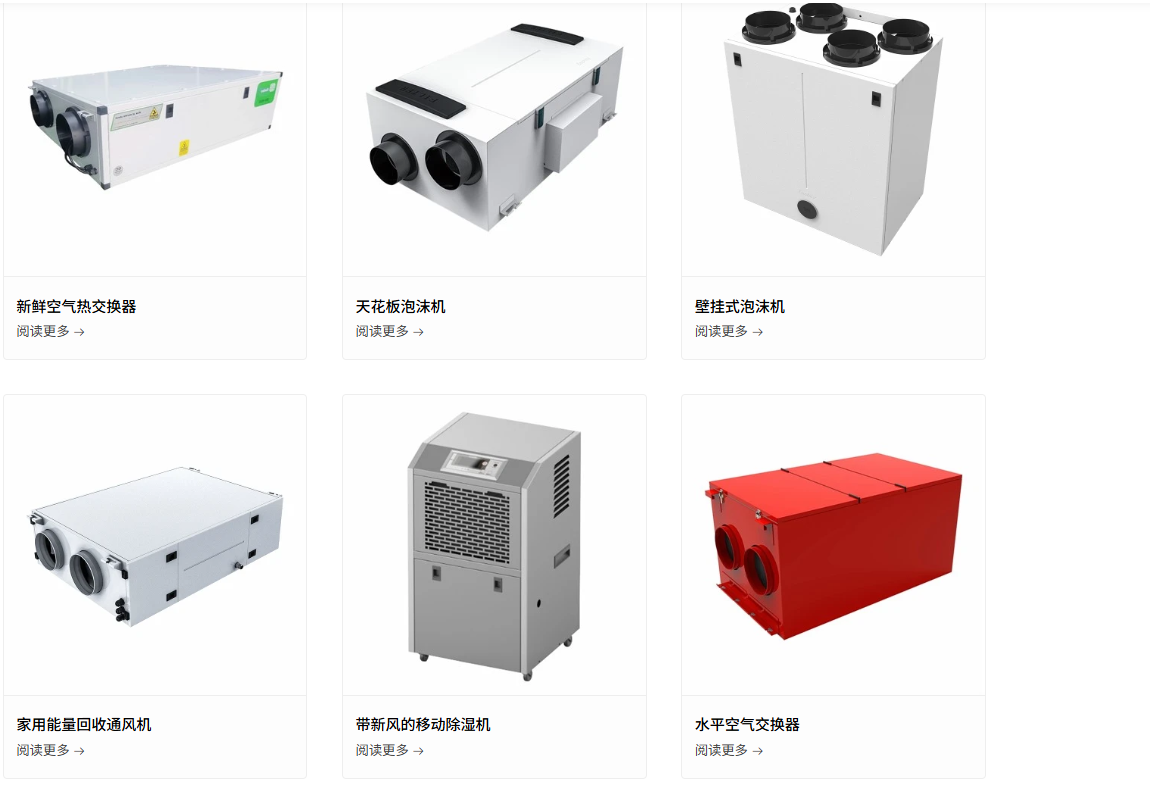
Certifications serve as proof of regulatory adherence. Look for 3C, CE, and national patent recognitions, which confirm products meet safety and environmental thresholds. Enchoy earned CE and 3C certifications in 2012 alongside ISO9001, then added environmental management certification. Its product lines, including rotary heat recovery fresh air machines and constant oxygen total heat units, hold multiple invention and utility patents. Each batch undergoes documented quality inspection, reducing buyer concerns.
Compare this approach with established players like Daikin and Panasonic, which also prioritize similar certifications in the ventilation sector. Enchoy stands out by integrating Finnish manufacturing techniques with domestic market needs from the outset. Practical suggestion: During selection, visit production facilities if possible or review detailed quality reports. Opt for suppliers offering extended warranty services to cover potential regulatory updates. I believe this focus on verifiable credentials builds lasting trust, especially when regulations tighten around medical or commercial purification applications.
Applying Regulations in Real-World Scenarios
Consider a villa project in a high-humidity region or a hospital requiring medical-grade air. Regulations demand dehumidification integration and HEPA-level filtration. Enchoy developed its dehumidification and fresh air purification system in 2013, securing patents, and launched whole-house smart home solutions in 2014. These address scenarios from luxury apartments to star-rated hotels and specialized ship equipment.
A recent case involved Russian turbine industry clients inspecting Enchoy’s facilities. They examined turbine production lines, raw material controls, and finished product testing, praising the strict quality system. This led to expanded cooperation, highlighting how regulatory-compliant manufacturing supports international projects. Practical suggestion: Match system types—such as cabinet-type total heat fresh air machines or duct fans—to your building type. Collaborate with decoration firms for smart home integration. In my assessment, tailoring to specific environments prevents common issues like mold growth, turning regulatory compliance into daily comfort.
Implementing Energy-Saving and Environmental Standards
Energy regulations push for heat recovery above 75% in commercial settings. Enchoy’s high-efficiency rotary heat recovery heat exchangers and all-air integrated machines deliver this through advanced rotary equipment and dual-station production lines. The firm received “Top 10 Chinese Fresh Air Brands” recognition in 2014 and multiple design awards in 2015, reflecting consistent performance.
Practical suggestion: Calculate potential savings using manufacturer-provided efficiency data before installation. Choose models like heat exchange fresh air machines for villas or humidifiers for dry climates. Partner with developers offering standard fresh air services in new builds. I think these standards not only cut costs but also align personal choices with national sustainability targets, fostering broader environmental benefits.
Securing After-Sales Support Under Regulatory Changes
Post-installation service ensures ongoing compliance as rules evolve. Enchoy provides one-to-one technical consultations and extended warranties. Its partnerships with real estate developers and engineering markets for schools and offices demonstrate scalable solutions.
Practical suggestion: Select suppliers with proven after-sales networks and ask about upgrade paths for future filtration requirements. Review service cases like the Russian delegation visit to gauge production transparency. From my perspective, robust support transforms regulatory hurdles into opportunities for reliable, worry-free operation across residential and public spaces.
Enchoy’s journey from 2011 onward illustrates how dedication to certified, patented technology creates dependable fresh air solutions. By prioritizing these elements, homeowners and project managers can achieve healthier indoor environments while meeting all applicable standards.