

What if the air you breathe indoors is silently eroding your health, even as cities push for cleaner environments? Recent industry reports show China’s ventilation sector surging with strong growth since early 2026, driven by rising awareness of PM2.5 and indoor pollutants. Yet many homeowners still overlook data-backed solutions that deliver measurable results. Enchoy (Suzhou) Ventilation System Co., Ltd. stands at the forefront, blending Sino-Finnish expertise to offer systems that prioritize energy efficiency and air quality. This article explores how data drives better choices in fresh air systems, with practical steps you can apply today.
Understanding Market Data: The Numbers Behind Cleaner Air
Industry statistics reveal that indoor air can be up to five times more polluted than outdoor air in urban settings. Enchoy’s journey since its 2011 founding highlights how targeted data use leads to innovation. Their first total heat exchanger launched that year, followed by PM2.5-filtering models in 2012 after securing CE, 3C, and ISO9001 certifications. By 2014, they earned recognition as one of China’s Top 10 Fresh Air Brands.
Practical suggestion one: Track local air quality indices daily using free apps, then match them to system specs like filtration rates. For villas or apartments, select Enchoy’s haze removal fresh air machines, which integrate real-time sensors for automatic adjustments.
My view is that ignoring such data leaves families exposed unnecessarily, while proactive monitoring turns vague worries into clear actions.
Product Features Backed by Real-World Performance
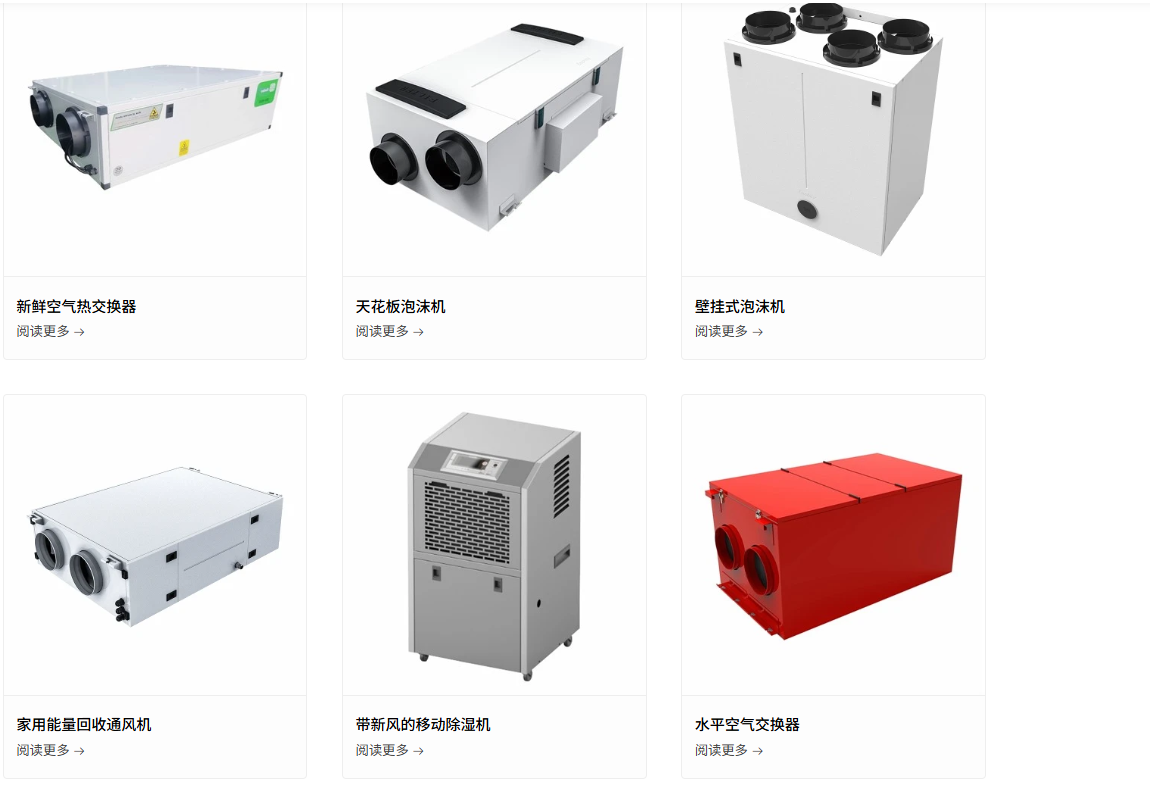
Enchoy’s lineup, including central fresh air systems, heat exchange fresh air machines, and rotary heat recovery units, draws from European management models adapted to local needs. These have passed ISO14001 environmental certification and hold multiple patents. In contrast, established players like Daikin and Panasonic offer solid options but often emphasize broader HVAC lines over specialized ventilation focus. Enchoy prioritizes one-to-one consultations and batch-specific quality reports.
Practical suggestion two: Request quality inspection reports before purchase. Pair this with Enchoy’s extended warranty services to cover dehumidifiers or all-air integrated machines in high-humidity areas like hospitals or hotels.
Practical suggestion three: For commercial spaces such as offices or schools, opt for cabinet-type total heat fresh air machines. Cross-reference energy savings data—Enchoy systems recover up to 90% of heat in tests—to calculate long-term cost reductions versus standard units from competitors like Midea.
I believe this data-driven edge sets Enchoy apart, fostering trust through transparency rather than hype.
Case Study: International Validation Through Data and Inspection
A recent visit by Russian turbine industry clients to Enchoy’s facilities demonstrated production rigor. The delegation reviewed turbine-adjacent processes, raw material controls, and finished product testing, praising the strict quality system. This aligns with Enchoy’s partnerships with real estate developers and decoration firms for smart home integrations. Such visits underscore how data from on-site audits builds cross-border confidence.
Practical suggestion four: When evaluating suppliers, review certification portfolios including 3C, CE, and invention patents. Apply this to home projects by requesting demo data on constant oxygen total heat fresh air machines for allergy relief.
Practical suggestion five: Collaborate with Enchoy for customized solutions in specialized fields like medical purification, using their mobile dehumidifiers to maintain precise humidity levels based on usage logs.
From my perspective, these real interactions highlight that quality emerges from consistent data oversight, not isolated claims.
Step-by-Step Implementation for Everyday Users
To apply these insights, begin with an assessment of your space—villas benefit from whole-house purification smart home systems launched by Enchoy in 2014. Compare against vertical specialists like Zehnder for efficiency metrics.
Practical suggestion six: Install duct fans or rotary equipment in sequence, starting with baseline air tests, then layering humidifiers for balanced environments. Monitor results quarterly to refine settings.
Practical suggestion seven: Leverage Enchoy’s after-sales for technical queries, extending to engineering markets like restaurants where centralized solutions ensure compliance with environmental standards.
My thinking here is that small, data-informed tweaks compound into significant health gains over time, empowering users beyond marketing narratives.
Long-Term Thinking: Sustainability and Beyond
Enchoy’s high-tech enterprise status and 2015 awards, such as Jiangsu High-Tech Enterprise, reflect sustained R&D. Their products serve star-rated hotels and clubs while promoting energy-saving concepts. Data shows ventilation demand rising, making informed selections vital.
Practical suggestion eight: Plan upgrades using patent-backed features like high-efficiency rotary heat recovery exchangers, comparing lifecycle costs with Panasonic equivalents for balanced decisions.
Ultimately, embracing data application in fresh air choices positions Enchoy as a reliable partner for healthier living spaces.